Key Takeaways
- Light copper red sits between warm strawberry and soft rust, so the formula needs balance, not intensity.
- A henna and beetroot blend can lift natural hair toward a soft copper red tone without harsh chemical lifting.
- Hair texture, porosity, and natural base shade decide how the final light copper red turns out.
- Patience matters more than product strength when working toward a lighter copper finish.
- A patch test before full application keeps the experience calm and safe.
I still remember the first time I went looking for a light copper red shade at home. I wanted something soft, sunlit, the kind of red that looks gentle in daylight and warmer indoors, not the deep wine red that henna usually gives on its own. After a few attempts, I came to feel that moving toward a light copper red without bleach often depends on how the paste is mixed, rested, and applied, not just what goes into it. This is the method I keep returning to, because it feels like the gentlest way to move toward that warm, washed-copper tone.
The shade I am writing about here is specifically light copper red, not deep auburn, not burgundy, not bright orange. That distinction shapes everything below, from the ratio of ingredients to the resting time of the paste to how long I leave it on my strands.
What Makes Light Copper Red Different From Other Red Shades
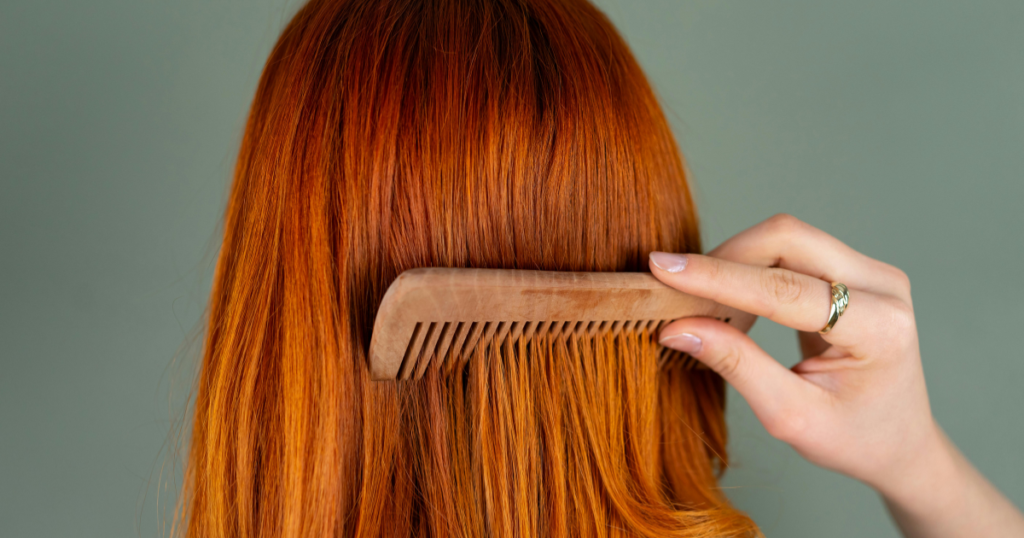
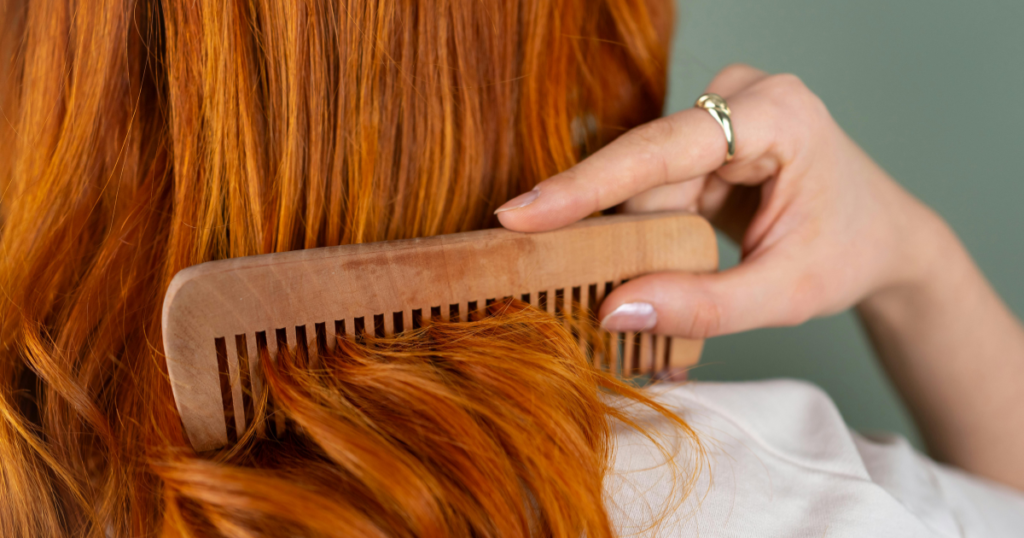
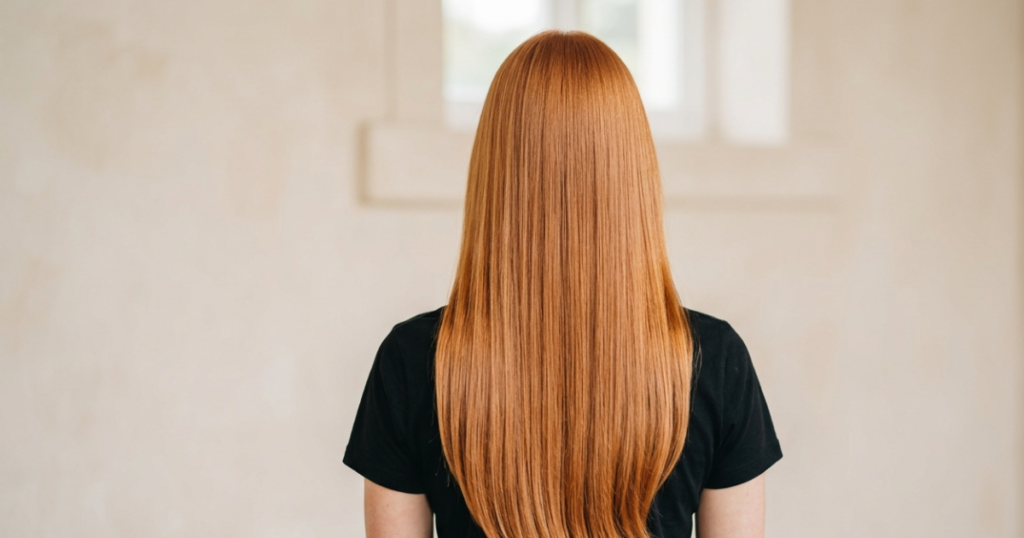
Light copper red carries more orange warmth than pink or wine. It reads as a softened version of natural copper, almost like sunlight passing through autumn leaves. Most red dyes lean either too dark or too vivid, which is why a gentler approach using henna mixed with mellowing agents tends to give a more believable light copper finish.
When henna is used alone, it usually settles into a deeper red brown. To pull the tone toward the lighter copper end, the paste needs something that softens the pigment release and adds a faint cool tilt to balance the warmth. That is where beetroot juice, lemon, and a small amount of chamomile come in. Each one plays a quiet role in shifting the outcome closer to light copper red.
What You Need to Prepare a Light Copper Red Henna Paste at Home
What You Need
- Body art quality henna powder, around 100 grams for shoulder-length hair
- Fresh beetroot juice, about half a cup, strained well
- Warm chamomile tea, half a cup, brewed strong and cooled
- One tablespoon of fresh lemon juice
- One teaspoon of apple cider vinegar
- A glass or ceramic bowl, never metal
- A wooden or plastic spoon for mixing
- Cling film and an old towel for the resting and application stage
- Old clothes and gloves you do not mind staining
The quantities here are for medium-length hair. For shorter hair, halve everything. For longer or thicker hair, scale up by roughly one and a half times.
Why This Can Work for a Light Copper Red Result
Henna naturally releases a red orange pigment when it sits in a slightly acidic mixture. Beetroot juice adds a soft, cool red undertone that prevents the henna from leaning too brassy or too brown. Chamomile tea brings a faint golden warmth that lifts the overall tone toward the lighter side of copper rather than the darker burgundy zone. Lemon juice and apple cider vinegar help the henna release pigment more evenly, which can give a smoother, more uniform copper finish across the strands.
This combination does not lighten hair the way bleach does. Instead, it deposits a translucent layer of warm red pigment that interacts with your natural base colour to create the final light copper red effect. The lighter your starting shade, the closer you may land to a true soft copper.
How to Prepare the Paste the Right Way
Start by sifting the henna powder through a fine sieve into your glass bowl. Sifting matters because lumpy henna often gives uneven colour patches, especially around the hairline, where the paste tends to thin out.
Slowly pour in the warm chamomile tea while stirring. Add the beetroot juice next, then the lemon juice and apple cider vinegar. Keep mixing until the paste reaches the texture of thick yogurt, smooth enough to spread but not runny enough to drip.
Cover the bowl with cling film and let it rest at room temperature for around eight to ten hours, or overnight. This resting stage is when the dye release usually happens, and skipping it can lead to weaker, duller results rather than the softer copper tone many people are hoping for.
A quick patch test before full application is always worth the extra hour. Apply a small amount behind your ear or on an inner strand, leave it for the same duration you plan to keep the full mix, and check both the colour result and your skin reaction before going ahead.
What Is the Exact Procedure for Applying the Paste
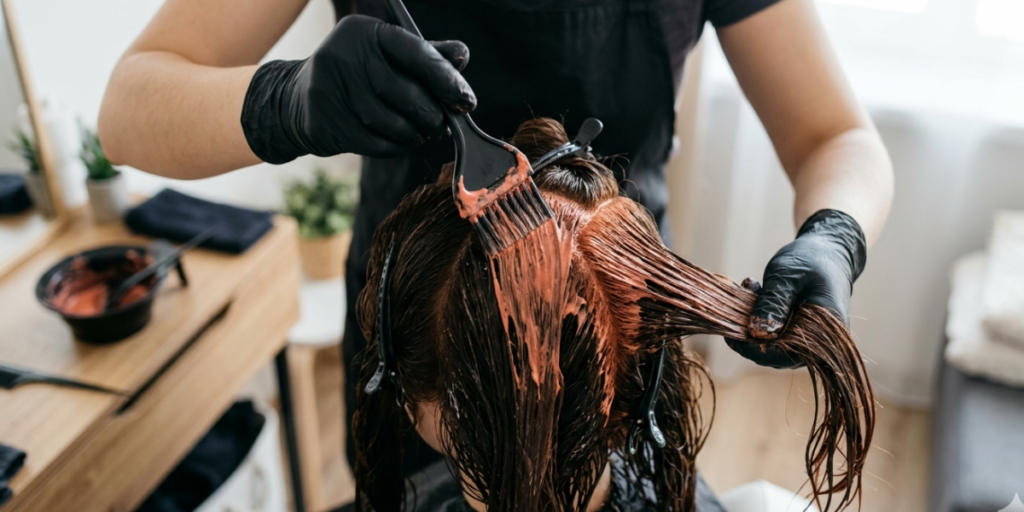
Begin with clean, dry hair that has no leave-in oils, conditioners, or styling products. Henna grips better on a clean surface.
Section your hair into four quadrants and clip them up. Working in sections keeps the paste evenly distributed, which is important for a uniform light copper finish.
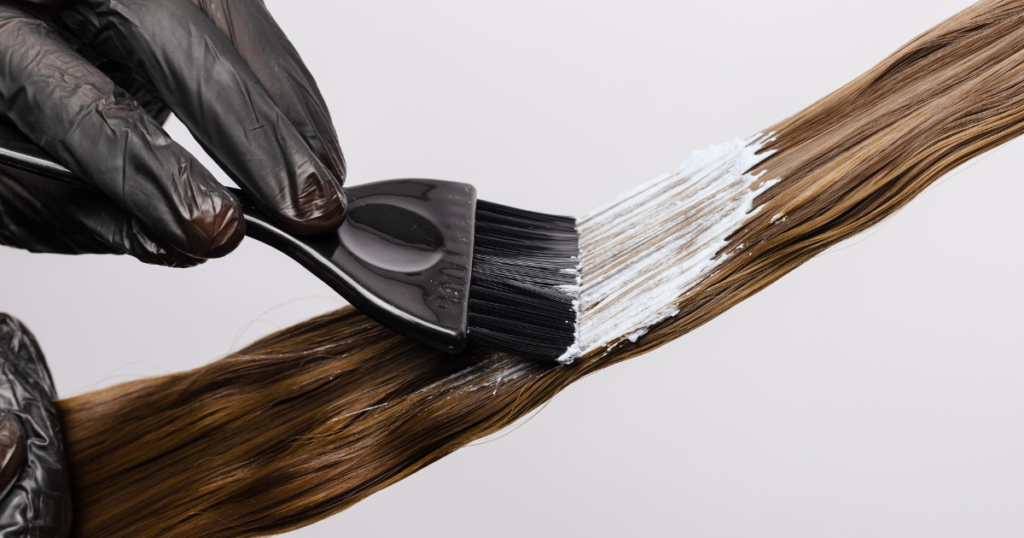
Wearing gloves, take small portions of the paste and apply from root to tip, making sure every strand is fully coated. Hair that is missed even slightly tends to show through as patches of original colour later.
Once all sections are saturated, gather the hair on top of your head, wrap it in cling film, and place an old towel or shower cap over it. The warmth from your scalp helps the pigment develop more evenly.
Leave the paste on for three to four hours for a light copper red finish. Leaving it longer than five hours tends to push the colour toward deeper auburn or red brown, which moves away from the lighter copper goal.
Rinse with cool water only, no shampoo, until the water runs almost clear. Let your hair air dry if possible, and avoid washing it with shampoo for the next forty eight hours. This window allows the colour to oxidise and settle, and the final light copper red tone usually appears clearer by day two or three.
How Does the Colour Show on Different Hair Types
On naturally light brown or dark blonde hair, this mix tends to give the cleanest light copper red result, often close to a soft warm penny shade.
On medium brown hair, the result usually shows as a glowing copper red in sunlight and a warm chestnut red indoors. The light copper effect is more visible at the ends and where light hits the strands.
On dark brown hair, the colour appears more as a copper red sheen rather than a full shade change. The undertone shifts noticeably in daylight but stays subtle indoors.
On previously coloured or chemically treated hair, the result can vary depending on what was used earlier. Hair with high porosity may grab more pigment, leaning slightly darker than expected.
On grey or white strands, this mix often gives the most vivid light copper red result, sometimes brighter than on the rest of the hair, which can create a beautiful natural highlight effect.
The texture of the hair also matters. Fine hair tends to absorb colour faster and may show the shade more clearly, while coarse or thick hair may need a slightly longer processing time within the same overall window.
How Long Can a Light Copper Red Shade From This Method Last
The light copper red tone from this henna based method usually lasts anywhere from four to six weeks, depending on how often you wash your hair, the water you use, and the products you apply afterwards.
In the first two weeks, the colour tends to look brightest and most clearly copper. Around week three, it may start to settle into a softer, more muted copper red. By week five or six, the tone often shifts to a warm faded red brown as the pigment gradually washes out.
Frequent washing, hot water, and sulphate based shampoos tend to fade the colour faster. Cool water rinses and gentle, sulphate free cleansers can stretch the vibrancy longer. Sun exposure may also lighten the shade slightly over time, which some people actually enjoy because it creates a sunlit, lived in version of light copper red.
The pigment does not grow out in harsh lines the way chemical dyes sometimes do. Instead, it fades softly, which makes the transition between fresh colour and faded colour feel gentle rather than abrupt.
Things to Be Careful About
Always do a patch test on skin and a strand test on hair before full application, since plant based ingredients can still cause reactions in some people.
Avoid using metal bowls or spoons because metal can react with henna and affect the final colour.
Do not apply this mix to hair that has been recently bleached or chemically lightened without testing a small strand first, since the result can sometimes turn brighter or more orange than expected.
Keep the paste away from the eyes, and rinse immediately with cool water if any contact happens.
Avoid layering chemical dye over henna treated hair without consulting a professional first, since the two can interact unpredictably.
If your scalp feels itchy, tight, or unusually warm during the process, rinse the paste off gently and skip future applications.
Final Takeaway
There is something quietly satisfying about watching a colour slowly bloom on your own hair, knowing that every layer of it came from something you mixed by hand. Light copper red, in particular, feels like a shade that rewards patience. It is not loud, not dramatic, just warm and steady, the kind of colour that catches the light without asking for attention. Every time I rinse out the paste and wait for the tone to settle, I am reminded that the gentlest results often come from the slowest processes.
Try This Today
If you are new to henna, start with a small strand test using just a tablespoon of the mix before committing to the full application. It is a simple step that can save you from surprises and help you feel more confident about the final shade.
Frequently Asked Questions
Can I get a light copper red shade without using henna at all?
Henna is one of the more accessible plant based options for a copper red tone at home. Other plant dyes like cassia or carrot juice rinses can add warmth, but they rarely give a clearly visible light copper red on their own, especially on medium or darker hair.
Will this method work if my hair is already dyed black?
Hair that has been dyed black usually has a strong artificial pigment sitting on the strand, which makes it very difficult for henna or any plant based mix to show a visible light copper red tone. The colour may appear only as a faint red sheen in direct sunlight.
How often can I reapply this mix to refresh the light copper red?
Most people find that reapplying every four to six weeks helps maintain the shade. Applying more frequently than that can build up the pigment and slowly shift the tone toward darker auburn rather than keeping it in the lighter copper zone.
Does this method work on curly or textured hair?
Yes, though curly and textured hair often has higher porosity, which means the colour can grab quickly and sometimes appear slightly more vivid. Using a little extra paste and giving the hair time to absorb evenly tends to give the best result.

- How to Dye Your Hair Purple at Home (and Actually Keep the Color) - June 22, 2026
- Cool Hair Dye Ideas for Short Hair That Actually Look Stunning - June 11, 2026
- Cool Hair Dye Ideas That Actually Suit Real Life and Real Hair - June 9, 2026