Key Takeaways
- Most people may find that dyeing hair black every four to eight weeks works well for root touch-ups, while a full color refresh can usually wait longer.
- Hair type, dye type, and the rate of hair growth all shape your personal timeline more than any fixed rule.
- Over-dyeing can quietly weaken strands, dull the shine, and make black look flat instead of rich.
- Small signs like visible roots, fading at the ends, or a brassy undertone often tell you when it is time.
- Stretching the time between sessions is possible with gentle washing, cooler water, and a few simple habits.
I remember standing in front of the mirror one morning, tilting my head under the light, trying to decide if my roots had really grown out or if I was just being hard on myself. Black hair has a way of showing every little change, the soft brown peeking through, the warm fade at the tips, the tiny grey strands that suddenly feel louder than they are.
The question of how often I should dye my hair black sat with me for a long time, because I did not want to damage it, but I also did not want to keep walking around feeling unfinished.
Over the years, I have learned that the answer is rarely the same for two people, and it rarely stays the same for one person across seasons. Hair changes, life changes, and the timing changes with it. What I want to share here is what has actually helped me find a rhythm that feels kind to my hair and honest to how I want to look. Not a strict schedule, just a thoughtful one.
How often does black hair dye usually need to be refreshed
For most people, a root touch-up every four to six weeks tends to feel about right, while a full length refresh can often stretch to eight or even twelve weeks, depending on how the color is holding. Black is a deep, saturated shade, and it usually lasts longer on the lengths than lighter colors do, because there is so much pigment packed into each strand.
When I first started dyeing my hair black, I made the mistake of redoing the whole head every single time, top to ends, as if the old color had disappeared. It had not. The roots were the only part that truly needed help. The lengths were still holding pigment, just a softer version of it. Once I understood that, my hair seemed to feel a little healthier over time.
A gentle way to think about it is this. Roots grow, ends fade. Treat them separately, and you give your hair room to breathe between sessions.
How does hair growth rate change how often you should dye
Hair grows at different speeds for different people, and even at different speeds across seasons of your own life. Some people see noticeable root growth in three weeks, while others can comfortably go six or seven weeks before it shows. If your hair grows quickly, the contrast between your natural color and black will show up sooner, especially around the front and parting.
I noticed that during warmer months, my hair seemed to grow faster, and I needed root touch-ups slightly more often. In cooler months, things slowed down, and I could stretch the gap a little longer. Paying attention to this rhythm helped me stop forcing a schedule that did not match my hair.
A small mirror check at the parting every couple of weeks is usually enough to tell you where you are. If the roots are less than half a centimeter, you can often wait. If they are clearly visible from a normal distance, that is usually when people start feeling ready for a touch-up.
How does the type of dye change the timing
The kind of dye you use changes the answer more than people realize. Permanent black dye tends to hold longer on the lengths, sometimes for many weeks, but the roots still grow at the same speed underneath. Semi-permanent black usually fades faster, so you may feel the need to refresh the overall color sooner, even if the roots are not very visible yet.
Natural plant-based options like henna and indigo blends behave differently again, often coating the hair rather than penetrating it deeply, which can mean more frequent application but less harshness on the strands.
When I switched from permanent to a gentler semi-permanent black for a while, I found I had to adjust my expectations. The color seemed to wash down a little with each shampoo, so I felt the need to refresh more often, though my hair may have felt a bit softer along the way. There is usually a trade-off, and knowing which one you are choosing helps you plan better.
What are the signs that it is time to dye your hair black again
Your hair often tells you before the calendar does. The most common signs I look for are visible roots at the parting and hairline, a softer or brownish tone showing up at the ends, a warm reddish cast appearing in sunlight where the black used to look cool, and a general feeling that the color looks tired instead of fresh.
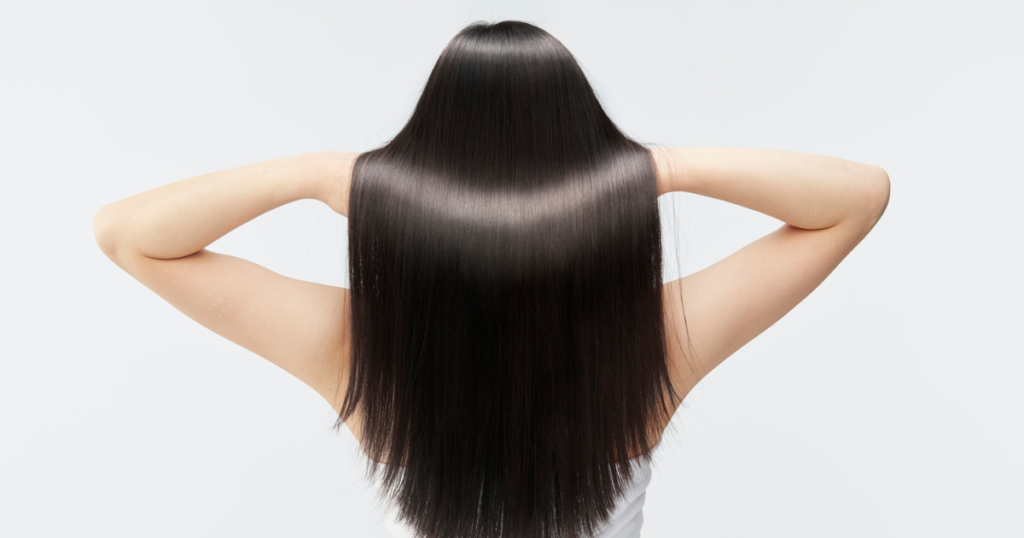
Another quiet sign is when your hair stops catching light the way it used to. Healthy black hair has a deep shine, almost like a mirror in certain angles. When that shine starts to dull and the color looks more matte, the pigment has usually faded a little, even if it still looks dark from a distance.
A peer-reviewed article hosted on PubMed Central discusses how hair dye molecules interact with the hair shaft over time, which can help explain why color slowly shifts in tone and depth between sessions, rather than disappearing all at once.
I usually wait until two or three of these signs show up together before I plan a session. One sign alone is often not enough to justify reaching for the dye.
What are the risks of dyeing your hair black too often
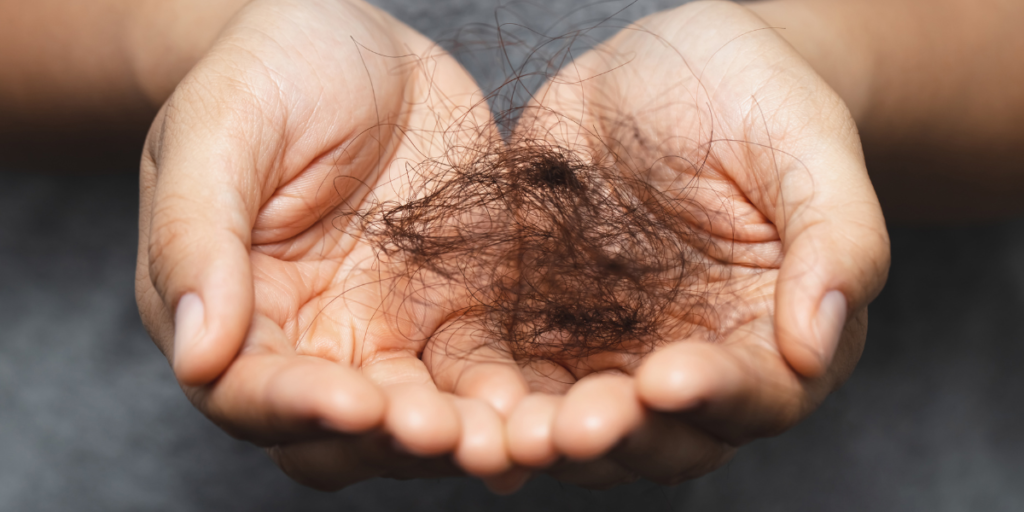
This is the part I wish someone had told me earlier. Dyeing too frequently, especially the full length every time, can slowly stress the hair. The strands may feel rougher, the ends may break more easily, and the scalp may feel more sensitive than it used to. Black dye in particular contains a strong pigment, and repeatedly layering it over already-colored hair does not make the color richer, it usually just builds up and dulls the finish.
There is also a quieter risk, which is losing the texture and movement of your own hair.
Over-processed hair can start to feel stiff, almost like it has lost its softness. I have felt that way before, and it seemed to take quite a few months of gentler care before things started to feel more normal again. So now, when I am unsure whether to dye, I lean toward waiting a little longer rather than going earlier.
How can you make black hair color last longer between sessions
Stretching the time between dye sessions is mostly about being gentle with your hair in everyday moments. A few habits that have genuinely helped me are washing my hair less often, using cooler water when I do wash, choosing a mild sulfate-free shampoo, avoiding very hot styling tools, and protecting my hair from strong sun when I am out for long hours.
Deep conditioning once a week, even with something simple, keeps the strands smoother, and smoother strands hold pigment better. I also try not to over-brush wet hair, because that is when it is most fragile and most likely to lose color.
These small things can add up over time. They may not make dye last forever, but they could help color look fresher a little longer, which means fewer sessions over the year.
How should root touch-ups be timed compared to a full color refresh
Root touch-ups and full refreshes are not the same thing, and treating them as one is where a lot of damage starts. Roots usually need attention every four to six weeks for most people, because that is when the natural color becomes visibly different from the black. A full length refresh, where you apply dye from roots to ends, is usually only needed every two to three months, sometimes longer, depending on how the lengths are holding the color.
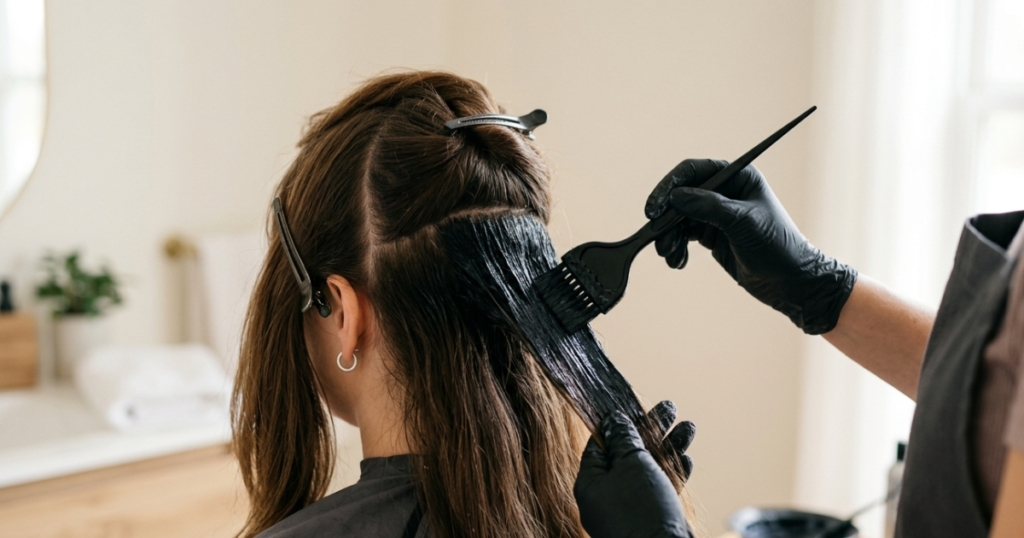
When I do a root touch-up, I try to apply the dye only to the new growth and let it sit for the recommended time. Near the end, I sometimes pull a little of the leftover mixture lightly through the mid-lengths for just a few minutes to refresh the tone, but I avoid sitting heavy color on the ends every single time. The ends are the oldest, most fragile part of the hair, and they deserve a slower pace.
Final Takeaway
Finding the right rhythm for dyeing black hair is less about following a strict number of weeks and more about listening to what your hair is quietly telling you. Some seasons I have stretched longer between sessions, some seasons I have stayed closer to the four week mark, and both have been fine in their own way.
What has mattered most is treating my hair with patience, choosing root touch-ups over full applications when I can, and giving the lengths time to rest. Black hair, when it is cared for gently, has a softness and depth that feels worth the wait.
Try This Today
The next time you feel the urge to dye, pause for a moment, look at your parting in natural light, and decide if it is truly the roots calling, or just a tired day. Sometimes, a wash and a calm evening are enough.
Frequently Asked Questions
How often should I dye my hair black if I have grey hair coming in?
If you have grey hair, you may notice the contrast more quickly, especially around the temples and parting. Many people in this situation do root touch-ups every three to five weeks. The exact timing depends on how much grey is showing and how visible it feels to you personally.
Can I dye my hair black every two weeks if I really want to?
Dyeing every two weeks is generally considered too frequent for most hair types, because the strands and scalp may not have enough recovery time between sessions. If you feel the urge to refresh that often, it can sometimes help to use a color-depositing conditioner or a gentle tinted rinse between full dye sessions instead.
Is it safer to dye my hair black at home or at a salon?
Both can work, and neither is automatically better. At home, you have more control over timing and cost, but you may need to be extra careful about application and patch testing. At a salon, a professional can usually assess your hair condition and adjust the formula, which can be helpful if you are unsure.
Does dyeing hair black damage it more than other colors?
Black dye itself is not necessarily more damaging than other shades, but because the color is so deep, people sometimes redye more often than needed, which is where the damage builds up. The frequency tends to matter more than the shade.
How long should I wait between my first dye and the first touch-up?
For most people, waiting at least four weeks after the first full dye before doing a touch-up is a gentle starting point. This gives the hair and scalp time to settle, and it lets you see how the color is fading naturally before deciding what to refresh.
- How to Dye Your Hair Purple at Home (and Actually Keep the Color) - June 22, 2026
- Cool Hair Dye Ideas for Short Hair That Actually Look Stunning - June 11, 2026
- Cool Hair Dye Ideas That Actually Suit Real Life and Real Hair - June 9, 2026