Key takeaways
- Natural red dyes are gentle by design, which means they need consistent re-application to stay visible.
- Cold-water rinses and oil sealing are the two habits that protect colour the most after application.
- Hibiscus rinses may begin to show a subtle tonal shift after the first use, with more noticeable maintenance within two to three weeks of consistency.
- Reducing wash frequency and heat exposure matter just as much as the dye itself.
- Patience is the most underrated ingredient in any natural colour routine.
I spent a long time experimenting with deep red rinses, and fading was something I kept running into early on. What I learned along the way changed how I think about colour care entirely.
I remember the first time I tried a hibiscus hair rinse. I brewed it carefully, applied it for thirty minutes, and waited. There was a faint warmth to my hair that I enjoyed, though it seemed to fade fairly quickly in those early attempts. I felt defeated, and I almost gave up. What I did not understand then was that natural dye does not behave the way commercial colour does. It does not grip the hair shaft through harsh chemicals. It sits on the surface, builds gradually, and needs your active help to stay.
If you are using a homemade red hair dye, whether from hibiscus, henna, beetroot, or madder root, and wondering why the colour keeps slipping away, I want to share what has actually worked for me. These are not things I simply read about elsewhere. They are approaches I tried, adjusted along the way, and found more helpful over time.
What actually causes natural red hair dye to fade faster than expected
Natural pigments, especially from plant-based sources, do not penetrate the cortex of the hair the way synthetic dye does. They coat the outer cuticle layer. When that cuticle is raised, which happens during shampooing, heat styling, or exposure to hard water, the pigment simply rinses away. This is not a flaw in the dye. It is just the nature of how plant colour works.
Red tones are also particularly vulnerable because the molecules that carry red pigment tend to be smaller and less stable than those carrying deeper colours. That is why red, whether natural or synthetic, fades faster than most shades. Knowing this helped me stop blaming my recipe and start looking at my entire hair routine instead.
Method 1: Can a cold-water rinse really help lock in natural red colour
What you need
- Cold or room-temperature water for rinsing
- One tablespoon of apple cider vinegar (optional)
- 250ml water for an acidic final rinse
Why can this work
Warm water opens the hair cuticle, and an open cuticle releases pigment along with everything else it holds. Cold water encourages the cuticle to lie flat and close down. When the cuticle is closed, the pigment that is sitting on and just beneath the outer layer has a better chance of staying in place after you step out of the shower.
Preparation
Mix one tablespoon of apple cider vinegar into 250ml of cold water. This creates a mildly acidic rinse that may help the cuticle close further, since hair responds well to a slightly acidic environment. You can skip the vinegar if the smell bothers you, though it may make a noticeable difference for some.
Exact procedure
Wash your hair as normal. Before stepping out of the shower, switch the water to the coldest temperature you can comfortably tolerate. Rinse for at least sixty seconds. If you are using the vinegar mix, pour it slowly over your hair after the cold rinse, distribute it with your fingers, and do not rinse it out. Dry gently with a soft towel by pressing rather than rubbing.
Things to be careful about
If you have a scalp condition that worsens in cold temperatures, use cool rather than cold water. Apple cider vinegar is quite acidic, undiluted, so always mix it before applying, and avoid contact with your eyes.
Method 2: Does applying a sealing oil after dyeing help prevent natural red dye from fading
What you need
- Two to three teaspoons of castor oil, coconut oil, or argan oil
- One teaspoon of hibiscus powder (optional, for colour reinforcement)
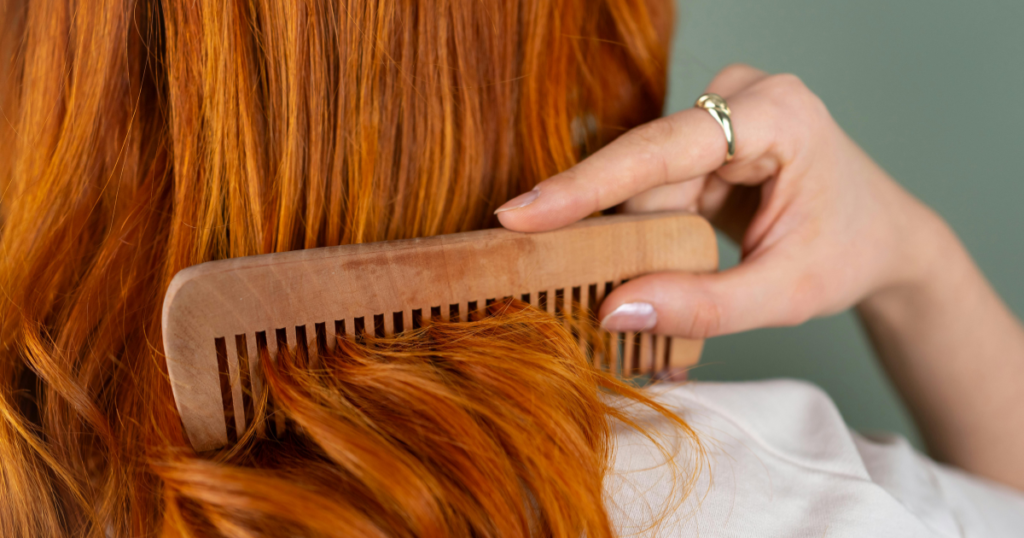
- A wide-tooth comb
- A lightweight hair wrap or old t-shirt
Why can this work
After applying a natural dye rinse, the cuticle is slightly raised and the pigment is sitting in a vulnerable position. Applying a light oil over damp hair can create a temporary barrier that slows down pigment loss during the early hours after application. Oils with smaller molecular structures may also help the cuticle settle flat more quickly.
Preparation
If you want to reinforce the colour at the same time, stir one teaspoon of hibiscus powder into the oil until you get a pinkish paste. Warm the mixture slightly by placing the container in a cup of hot water for two minutes. Do not overheat it.
Exact procedure
After your final cold rinse, towel-press your hair until it is damp but not dripping. Apply the oil or hibiscus oil mix from mid-length to ends, avoiding the scalp. Comb through gently with a wide-tooth comb. Leave this on for at least thirty minutes before styling. For a stronger effect, wrap your hair in an old t-shirt and leave it for two hours.
Things to be careful about
Use very small amounts of oil if your hair is fine or low-porosity, as too much can make it look greasy rather than glossy. Do a patch test on a strand if you are mixing hibiscus powder in for the first time.
Method 3: Can reducing wash frequency genuinely extend how long a natural red rinse lasts
What you need
- A mild, sulphate-free cleansing method
- Dry shampoo made from rice flour or arrowroot powder (for oil between washes)
- Lukewarm or cool water for co-washing on off days
Why can this work
Every shampoo session is a colour-removal session for natural dye. Detergents in shampoo lift the cuticle and pull out surface pigment along with dirt and oil. Washing less often simply means fewer opportunities for the colour to escape. Between washes, the pigment has more time to settle and the hair spends longer in a closed-cuticle state.
Preparation
Mix two tablespoons of rice flour or arrowroot powder in a small jar and keep it near your hairbrush. This is your dry cleansing option for days when your roots feel oily but you do not want to shampoo.
Exact procedure
Aim to shampoo no more than twice a week if your current routine is daily or every other day. On in-between days, use a small pinch of the dry powder at the roots, massage it in, and brush through after two minutes. For a refreshing rinse without shampoo, run cool water through your hair and condition from mid-length to ends only. Pat dry, do not rub.
Things to be careful about
If you exercise heavily or have a scalp condition that requires regular cleansing, adjust this approach accordingly. Stretching washes should feel comfortable, not stressful. There is no single right frequency for everyone.
Method 4: What does a consistent hibiscus rinse schedule actually do for red colour maintenance
What you need
- Three to four dried hibiscus flowers or one tablespoon of hibiscus powder
- Two cups of water
- One teaspoon of honey
- A fine strainer and a jug or spray bottle
Why can this work
Hibiscus contains natural pigments, primarily anthocyanins, that can deposit a reddish or burgundy tone on lighter hair shades and refresh warmth on darker ones. The key is repetition. A single application tends to produce a subtle shift. It is the layering effect over two to three weeks of consistent application that may begin to feel more noticeable and lasting.
Preparation
Simmer the hibiscus flowers or powder in two cups of water for ten minutes. Strain well and let the liquid cool completely. Stir in one teaspoon of honey, which may help the rinse cling slightly longer to the hair. Pour into a spray bottle for easier distribution.
Exact procedure
After shampooing and lightly towel-drying, spray or pour the hibiscus rinse evenly through your hair. Work it through with your fingers from roots to ends. Leave it on for twenty to thirty minutes with a shower cap on. Rinse out with cool water. Repeat this once or twice per week on wash days.
Things to be careful about
Hibiscus can stain skin, towels, and clothing. Wear an old t-shirt and use a dark towel during application. Do a small strand test first if you are unsure how your hair responds to the pigment.
Anthocyanins, the natural pigment compounds found in hibiscus and other red plant foods, are known for their sensitivity to pH and temperature. A detailed overview from ScienceDirect’s food science resources on anthocyanins highlights how these molecules are more stable in mildly acidic conditions, which is one reason an apple cider vinegar rinse after hibiscus application may help the colour appear slightly more vibrant and last a little longer.
Method 5: Can limiting heat styling protect natural red colour from fading faster
What you need
- A microfibre towel or a soft cotton t-shirt for drying
- Two tablespoons of aloe vera gel
- One teaspoon of light oil (jojoba or sweet almond works well)
Why can this work
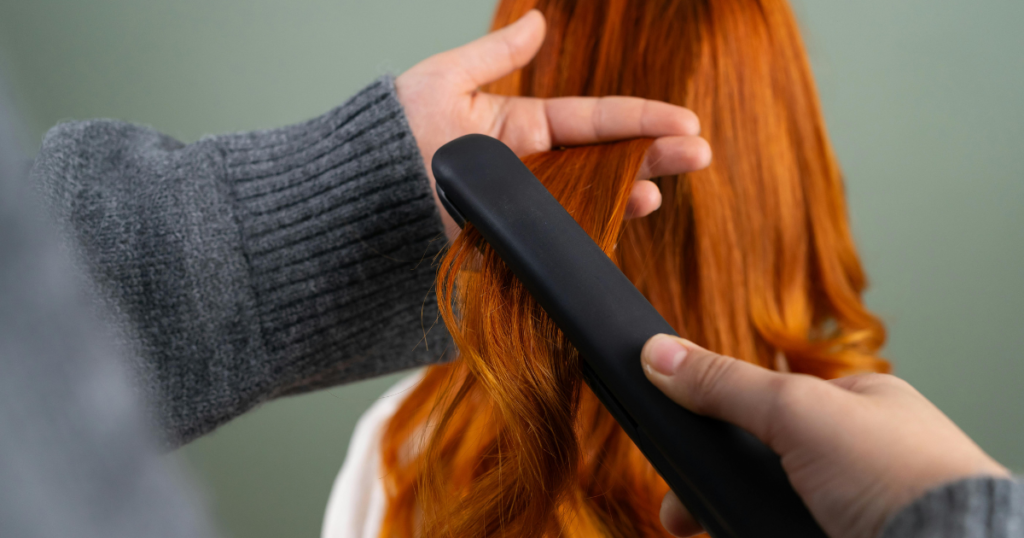
Direct heat from blow dryers and flat irons raises the hair cuticle repeatedly and dramatically. Each heat session after natural dyeing essentially reopens the cuticle and allows the surface pigment to escape or oxidise faster. Reducing heat exposure, especially in the days immediately after applying a natural rinse, may meaningfully slow down how quickly the colour visibly fades.
Preparation
Mix the aloe vera gel and light oil in a small bowl. This acts as a light heat-protective barrier and a smoothing agent that helps hair air-dry without frizz, making it easier to skip the blow dryer entirely.
Exact procedure
After washing and rinsing, gently press water out with a microfibre towel. Apply the aloe and oil mix to damp hair. Allow hair to air-dry as often as possible. On days when you need to use heat, try the lowest temperature setting for the shortest amount of time, and apply the aloe-oil mix beforehand as a buffer.
Things to be careful about
If your hair takes a very long time to air-dry and you are prone to scalp irritation from prolonged dampness, use a diffuser on a low setting rather than fully avoiding heat. The goal is reduction, not elimination, if it causes discomfort.
Method 6: Does adjusting your shampoo choice help natural red tones last longer
What you need
- A sulphate-free, low-detergent shampoo
- One tablespoon of hibiscus powder
- Your regular shampoo amount (enough for one wash)
Why can this work
Standard shampoos often contain sulphates, which are strong surfactants designed to strip away oil and residue efficiently. They also strip pigment with the same efficiency. Switching to a gentler formula reduces the aggressiveness of each wash. Mixing a small amount of hibiscus powder directly into your shampoo for every other wash is a simple way to deposit colour while you cleanse.
Preparation
Squeeze your usual amount of shampoo into your palm. Add half a teaspoon to one teaspoon of hibiscus powder to it. Mix it briefly in your palm with a fingertip before applying. Do not pre-mix a large batch, as the powder can lose potency when stored mixed in liquid for too long.
Exact procedure
Apply the hibiscus shampoo mix to wet hair, lather gently, and let it sit for two to three minutes before rinsing. Follow with your cold-water rinse. Use this method every other wash rather than every single wash to avoid over-depositing.
Things to be careful about
Hibiscus can stain a white or very pale shower. Rinse the walls quickly after your wash if this is a concern. Always do a strand test if you are trying this for the first time to check how the colour interacts with your hair tone.
One more thing that helps: protecting your hair from sun and chlorine exposure
Natural dyes, including red rinses, are much more sensitive to ultraviolet light than synthetic colour. Spending extended time in direct sunlight can visibly fade even freshly applied natural dye within a day or two. Similarly, chlorine in swimming pools is one of the fastest ways to strip a natural pigment from the hair shaft.
Wearing a light scarf or a hat during long outdoor stretches, and rinsing your hair with plain cool water before swimming can both act as simple protective barriers. These are not dramatic interventions. They are small habits that, combined with everything above, may add up to noticeably better colour retention over the weeks.
Final takeaway
What seemed to help most was not finding one perfect method. It was accepted that natural colour care is a practice, not a project you complete once. On days when I skip the cold rinse, use heat too soon, or wash more often than usual, fading tends to feel more noticeable to me. When I try to stay consistent with a few of these habits, the warmth in my hair often seems to last a little longer, which feels encouraging. There are no dramatic promises here. But in my experience, approaching it with patience and consistency seems to produce a more gradual, natural-looking result than expecting one session to do everything.
Try this today
After your next wash, try ending with the coldest rinse you can manage for sixty seconds. It is a small, low-effort habit to try, and it could be a useful starting point if you are looking to support your colour over time.
Frequently asked questions
How often should I reapply a hibiscus rinse to maintain red tones?
Once or twice per week on wash days tends to work well for most people. Consistency matters far more than how heavily you apply it in any single session. Building a steady rhythm over two to three weeks is where results become more apparent.
Does my hair’s natural colour affect how well natural red dye shows up?
Yes, quite a lot. Natural dyes work by depositing pigment on the surface, so the starting tone of your hair determines how visible the result is. Lighter hair tends to pick up red and warm tones more visibly than darker shades. On very dark brown or black hair, you may notice a reddish shimmer in sunlight rather than a full red colour shift.
Can hard water affect how quickly natural hair colour fades?
It can. Hard water contains minerals that may interfere with how colour sits on the hair and can make it look duller more quickly. A diluted apple cider vinegar rinse after washing can help counteract some of this effect by mildly chelating the mineral build-up and encouraging the cuticle to close.
How long does it realistically take to see maintained red tones from a hibiscus routine?
Being honest with you, the first use rarely produces dramatic results. A subtle warmth or faint reddish shift may be visible, especially in natural light. With twice-weekly applications over two to three weeks, the tonal maintenance tends to become more consistent and more noticeable. It is a gradual process, and that is completely normal.

- How to Dye Your Hair Purple at Home (and Actually Keep the Color) - June 22, 2026
- Cool Hair Dye Ideas for Short Hair That Actually Look Stunning - June 11, 2026
- Cool Hair Dye Ideas That Actually Suit Real Life and Real Hair - June 9, 2026