Key Takeaways
- A cherry red tone can be layered gradually using kitchen ingredients like hibiscus, beetroot, and henna powder.
- Each ingredient plays a different role, and combining them thoughtfully gives the most depth.
- These methods work most visibly on lighter, natural hair or hair that has been gently faded.
- Results may build over a few applications and are never guaranteed to match the same on every hair type.
- This is a gentle, low-commitment approach to exploring color without harsh chemicals.
I have always been drawn to that particular shade of red, the one that sits somewhere between a ripe cherry and a deep rose. Rich, warm, and alive. For years, I assumed that kind of color could only come from a box or a salon.
Then one afternoon, I found myself surrounded by dried hibiscus flowers, a raw beetroot, and a dusty container of henna powder I had forgotten on my kitchen shelf. I started experimenting, not expecting much. What I noticed during that first experiment was enough to keep me curious.
This is not a post promising salon-perfect results. What I want to share is what I genuinely learned about these five ingredients, where they come from, how to prepare them simply at home, and why each one matters when trying to naturally build a cherry red tone. If you are curious about this path, I hope something in this section is useful to you.
What Actually Gives These Ingredients Their Red Color
Before I mixed anything, I wanted to understand why these particular plants even work as dyes. The answer comes down to natural pigments.
Hibiscus flowers are rich in compounds called anthocyanins. These are the same pigments responsible for the deep reds and purples you see in berries, pomegranates, and red cabbage. When extracted in warm water, hibiscus releases a bold crimson liquid that can tint both fabric and hair.
Beetroot carries a different set of pigments called betalains, specifically betacyanins, which produce those vivid reddish-purple tones you see when you cut the vegetable. Henna brings lawsone, a molecule that bonds directly to the keratin in your hair shaft and creates a lasting orange-red stain. Pomegranate peel adds subtle tannins that can help these pigments settle more evenly. And red onion juice, often overlooked, contains quercetin, a flavonoid that contributes a warm amber-red undertone.
Together, they create layers of tone. No single one of them alone reaches a deep cherry red, but used in combination, they start to build something genuinely beautiful.
How Do You Prepare Each Ingredient at Home
I want to walk through this gently, because the preparation is simpler than most people assume.
Hibiscus tea concentrate: Place a large handful of dried hibiscus petals into a pot with two cups of water. Bring it to a low simmer and let it steep for 20 to 30 minutes until the water is a deep, almost wine-red color. Strain out the petals and let the liquid cool. This is your hibiscus concentrate.
Beetroot juice: Peel and roughly chop one medium beetroot. Blend it with a small amount of water and strain through a cloth or fine sieve. The juice should be vivid, staining red. If using powder, mix two tablespoons with just enough warm water to form a thick liquid.
Henna paste base: Measure out three to four tablespoons of henna powder into a glass or ceramic bowl. Add your hibiscus concentrate a little at a time, stirring until you get a smooth, yogurt-like paste. Cover the bowl with cling film and let it rest for six to eight hours or overnight. This resting period is important as it allows the dye compounds in the henna to fully activate.
Pomegranate peel powder: Add one tablespoon to your henna paste. It blends in easily and adds a mild astringency that may help the overall mixture cling more evenly.
Red onion juice: Add two to three tablespoons to your paste just before application. This is the last ingredient added as it works best fresh.
How Do You Put the Full Mixture Together
Once I had each element prepared, the assembly felt almost like cooking.
The base is the activated henna paste you have already prepared. Into this, stir the beetroot juice slowly, adding a few tablespoons at a time. You are looking for a consistency that is thick enough to stay on the hair but smooth enough to spread easily. Then add the pomegranate peel powder and the red onion juice, and stir everything together.
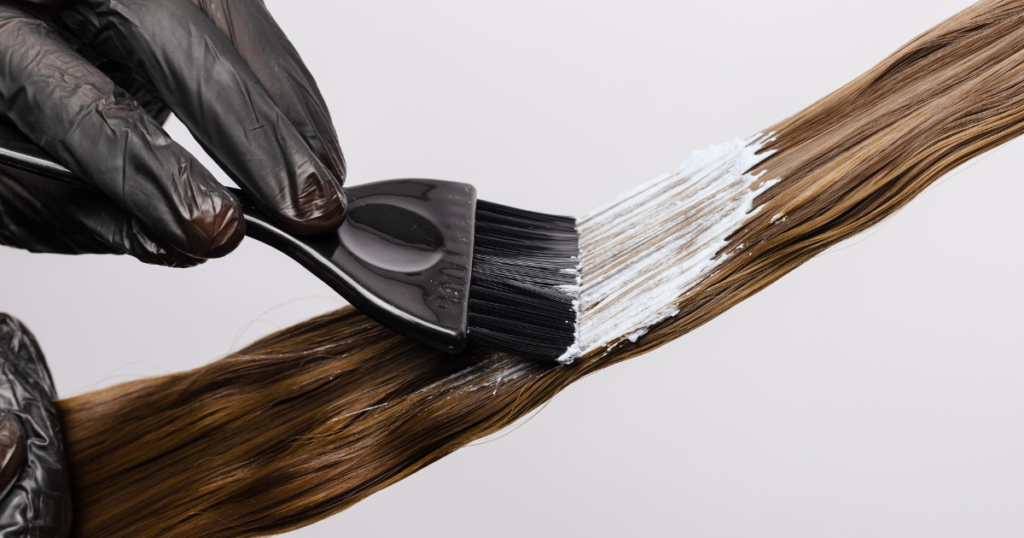
The final mixture should look a deep, chocolatey red. The smell will be earthy and slightly sweet, which I personally find quite pleasant. Apply it to clean, dry hair in sections, working from root to tip. Cover with a shower cap or cling film to keep it moist. Leave it on for one to two hours.
Because natural dyes like henna work by building up on the surface of the hair rather than penetrating deeply the way chemical dyes do, repeating the application once a week over several sessions can produce a progressively deeper, more vibrant finish.
Why Does Henna Matter So Much in This Mixture
Henna is the ingredient that holds everything else together, in a literal sense.
The key dye compound in henna leaves is called lawsone, and is directly responsible for producing those warm orange-to-red shades on hair. What makes it special is that it does not just coat the hair; it forms a chemical bond with the keratin protein inside each strand. This is why henna results tend to last longer than other plant-based dyes. It is not sitting on the surface. It is attached.
For a cherry red goal, the warm orange-red of henna provides the structural undertone. The hibiscus and beetroot then lay cool red and violet tones over that warm base, and the overall effect shifts toward a deeper, more complex red. Think of henna as the canvas and the other ingredients as the color wash on top.
What Role Does Hibiscus Play in Building the Cherry Tone
Hibiscus is the ingredient that pushes the color toward cool red rather than orange.
When I tried brewing hibiscus concentrate and applying it to a strand of hair, I noticed what seemed like a translucent pinkish-red sheen on my particular hair type. Beautiful on its own, but thin. When combined with henna, it may add a cool depth that softens the orange without fully erasing the warmth. The cherry tone, if it appears, often seems to live in that balance between the warmth from henna and the cool crimson from hibiscus.
Hibiscus contains anthocyanins and flavonoids that produce reddish-purple hues when crushed or steeped, and when combined with henna, these compounds may help create a deeper burgundy or plum undertone on the hair.
The strength of your hibiscus concentrate matters. A weakly brewed tea will add very little color. A deeply steeped, almost wine-dark liquid will contribute noticeably. I tend to aim for the darkest possible concentration when using it as a dye liquid, as it may contribute a more noticeable color.
Does Beetroot Actually Stay in the Hair
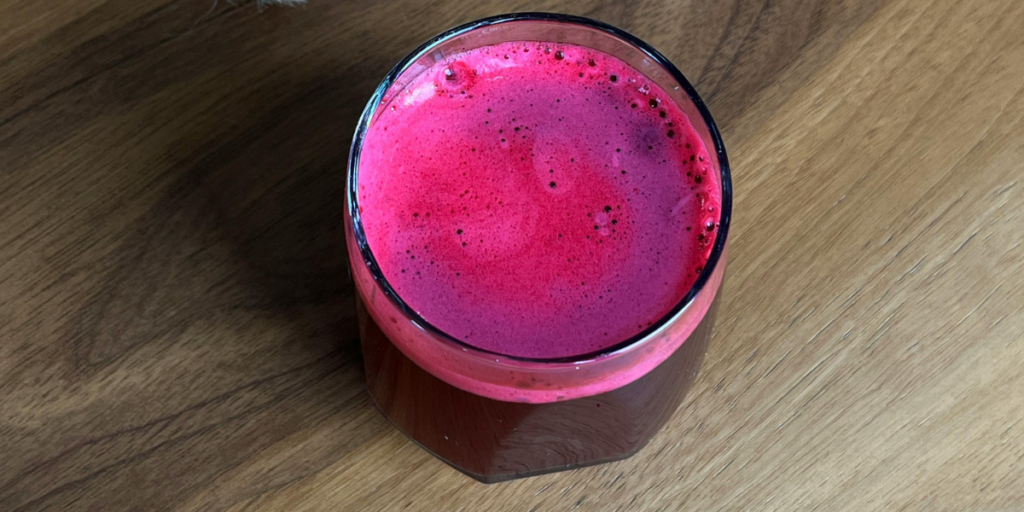
This is the question I hear most often, and I want to be honest about it.
Beetroot pigments are water-soluble, which means they do fade with washing. On their own, beetroot juice tends to rinse out within one to three washes, leaving only a faint blush behind. However, when beetroot is mixed into a henna paste, the henna may act as a kind of carrier, potentially helping the beetroot pigments settle more evenly across the hair surface.
Research into beetroot as a natural hair colorant, including a study published on ResearchGate, has found that the violet-red color of beetroot is caused by its betasianin pigment, which accounts for 70 to 90 percent of its color composition, and that this pigment shows reasonable stability when tested across multiple washes when applied with a supporting base.
The takeaway for me was this: do not use beetroot expecting permanent results. Use it as a way to boost the red vibrancy of each fresh application and enjoy the temporary intensity it brings. Combined with henna and hibiscus, it may contribute to the overall cherry tone, even if its individual effect tends to fade more quickly.
What Does Pomegranate Peel Actually Add
Pomegranate peel is the quiet ingredient in this recipe, but I would not leave it out.
It contains tannins, which are naturally occurring compounds that have a mild ability to fix other dyes to fiber. In traditional textile dyeing, tannin-rich plants have been used for centuries as mordants, helping color bond more securely. While the effect in hair dyeing is gentle rather than dramatic, adding pomegranate peel powder to the mixture may help the overall blend settle more evenly and hold a little longer.
It also adds a very slight warmth to the final tone, nudging the color toward a richer, deeper red rather than a bright, cool berry shade. I think of it as a finishing note, subtle but meaningful.
Is Red Onion Juice Worth the Effort
Red onion juice is the most unexpected ingredient on this list, and honestly, the one that took me the longest to try because of the smell. But I am glad I did.
The quercetin in red onions is a flavonoid with a warm amber-gold tone. On its own, it tends to add a golden sheen to hair. When used inside a red mixture like this one, it may contribute a warm, luminous quality that can help the cherry red look less flat or dull. It is also said to support scalp health gently, which felt like a welcome bonus.
The smell often fades once the mixture is rinsed out, though individual results can vary. Using a conditioner with a pleasant scent after rinsing helps considerably.
Final Takeaway
What I did not expect when I started this experiment was how much I would enjoy the ritual of it. Brewing the hibiscus, grinding the pomegranate peel, watching the henna paste deepen overnight. It felt quiet and slow and very personal.
The color I noticed on my own hair was not identical to what comes from a salon. It seemed softer and warmer in some ways, and less saturated in others, though this will likely differ from person to person. But it was mine, made from things I could name and understand, with no guessing about what was in the formula.
If you are curious about this, I want you to know that the imperfect version is still worth exploring. Not because it will guarantee any particular result, but because the process of trying it teaches you something about your own hair, your patience, and what you actually want from color.
Try This Today
Brew a small cup of strong hibiscus tea, let it cool, and apply it to a single damp section of your hair for 30 minutes before rinsing. It can be a gentle first step that may help you get a sense of how your hair responds to plant-based color, with very little commitment involved.
Frequently asked questions
Will this work on dark brown or black hair?
These ingredients work most visibly on lighter hair or on hair that has naturally faded or lightened. On very dark hair, the effect tends to be a subtle sheen or tint rather than a clear color shift. Repeated applications over weeks may gradually build more visible warmth.
Can I skip henna and use just hibiscus and beetroot?
You can, and some people prefer this lighter approach. Without henna, the color will be more temporary and less deep, but it is a valid option if you want something that rinses out more easily.
How long should I leave the mixture on?
One to two hours is generally a good range. Leaving it longer, up to three hours, can intensify the result, but it is not required. Always keep the hair wrapped and moist during this time.
Will these ingredients damage my hair?
These ingredients are generally considered gentle and many people find them conditioning. That said, every person’s hair and scalp is different. A small patch test before full application is always a kind thing to do for yourself.
How soon will I see results?
With henna, the full depth of color can develop over 24 to 48 hours after rinsing. The initial result after washing may look lighter than the final settled color.
Can I store the leftover mixture?
The activated henna paste with beetroot and onion juice is best used fresh. If you have leftover unmixed henna paste (before the beetroot and onion are added), it can be frozen for a few weeks in an airtight container.
- How to Dye Your Hair Purple at Home (and Actually Keep the Color) - June 22, 2026
- Cool Hair Dye Ideas for Short Hair That Actually Look Stunning - June 11, 2026
- Cool Hair Dye Ideas That Actually Suit Real Life and Real Hair - June 9, 2026