Key Takeaways
- Hair dye stains your skin quickly, but natural kitchen ingredients can gently lift it.
- Oils are the kindest option for sensitive skin – they loosen the dye without stripping your skin’s barrier.
- The longer you wait, the harder it becomes – acting within the first few minutes is most effective.
- You don’t need harsh products to remove a stain. Patience and gentle repetition work just as well.
- Protecting your skin before dyeing is honestly easier than removing dye after the fact.
I used to dread the cleanup more than the dyeing itself.
Every time I coloured my hair at home, I’d end up with dark patches along my hairline, a streak near my ear, and stained fingertips I couldn’t explain away. I tried scrubbing hard with a washcloth. That made things worse. I tried chemical-heavy removers and my skin stayed red and tight for the rest of the day.
Then I slowed down. I stopped reaching for the harshest thing in the cabinet and started paying attention to what my skin actually needed, especially because my skin has always been on the sensitive side.
What I found was this: the gentlest ingredients are often the most reliable ones. Not the fastest, but the kindest. And when you have skin that reacts easily, kindness matters more than speed.
Why Does Hair Dye Stain Skin So Stubbornly
Hair dye is made to grip. That’s its whole purpose to hold onto fibres and stay there through washing and time. When it lands on your skin, it tries to do the same thing. The pigment seeps into the outermost layer of skin cells, bonding before you even notice it’s there.
The good news is that those same skin cells shed naturally over time. Any stain will eventually go on its own. But waiting a few weeks isn’t exactly ideal when the stain is sitting right above your eyebrow.
Acting quickly makes the biggest difference. The first few minutes after the dye touches your skin are a window. If you can wipe it away before it dries, plain warm water and a gentle cleanser may be all you need. Once it sets, you need something that can gently loosen it from underneath rather than scrubbing it off the top.
What Makes Natural Ingredients a Safer Choice for Sensitive Skin
When your skin reacts easily, the removal process can end up being more irritating than the original stain. Alcohol-based solutions, strong solvents, and abrasive scrubs can leave the skin raw, red, or stripped. For some women, that reaction lingers for days.
Natural oils and mild pantry staples work differently. Rather than dissolving or scraping the dye away, they loosen the bond between the pigment and your skin. They work with your skin instead of against it. They’re also far less likely to trigger redness or tightness, which means you can use them near the hairline, on the neck, or even along the edges of your face without worry.
I’ve found that these gentler methods ask for more time but take far less of a toll. For me, that trade-off is completely worth it.
Which Natural Ingredients Actually Work
The most reliable one I keep coming back to is plain kitchen oil. Something like olive oil or coconut oil. Both are deeply nourishing and have a natural ability to break down pigment without disturbing your skin’s surface.
Lemon juice is another option worth knowing about. Its mild natural acidity helps fade the dye gradually. It works best on lighter stains or as a follow-up treatment after oil. It’s not something to leave on for long periods, and it works best when rinsed off after a few minutes.
White vinegar is something some people swear by. Like lemon, it uses mild acidity to lift the pigment. It’s not for everyone and can feel quite strong on dry or sensitive skin, so I’d always do a small test first.
How Do You Apply Oil Correctly for Hair Dye Removal
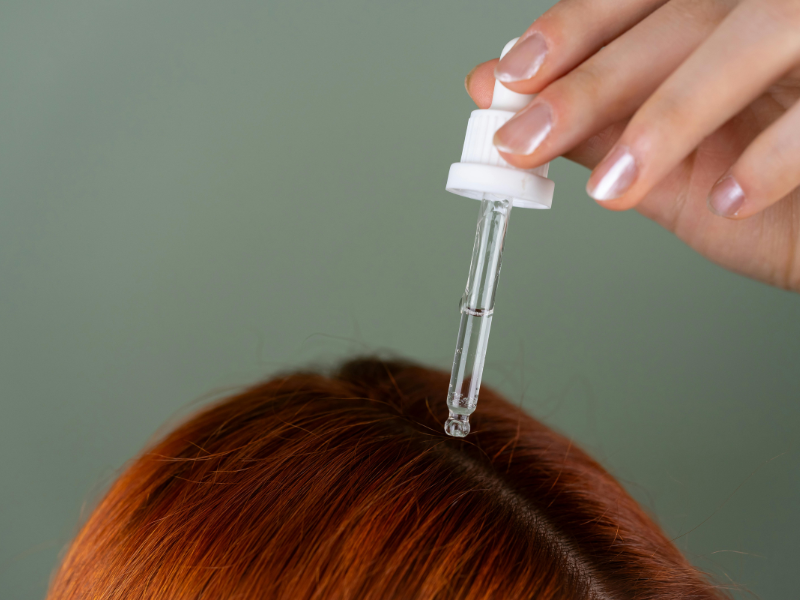
This step matters more than people realise. A lot of women dab a little oil on the stain, wipe it off in thirty seconds, and conclude that it doesn’t work. Oil needs time. That’s the whole point.
Pour a small amount of oil onto a cotton pad or directly onto your fingertip. Press it gently onto the stained area and massage in slow, soft circular motions for about a minute. Then leave it alone. Don’t wipe it off yet.
If you’re dealing with a stain on your hands or neck, you can leave the oil on for several hours. Some people apply it before bed and cover the area loosely with a soft cloth to avoid staining their pillow. By morning, the stain is usually significantly lighter, sometimes gone entirely.
For stains near the hairline or face, even a soak of thirty minutes to an hour helps. Rinse off with warm water and a gentle, mild cleanser to remove the oil residue fully.
How Long Should You Leave Natural Remedies On
This depends on what you’re using and where.
For oil, longer is genuinely better. Thirty minutes is a reasonable minimum for fresh stains. For anything that has had time to dry and set, a few hours or overnight gives the oil enough time to work its way into the bond between the dye and your skin cells.
For lemon juice, keep it short. A few minutes, then rinse. Its acidity can cause dry or sensitive skin to feel tight if left on for too long, especially around the face.
White vinegar works in about ten minutes. Soak a cotton ball, gently hold it on the stain, and rinse after that.
The key with any natural method is not to rush it on and rush it off. Patience is what makes these options effective.
Is There Anything You Should Avoid Doing
Yes and this one I learned the hard way.
Don’t scrub hard. Hard scrubbing feels productive, but it doesn’t remove the dye. It just irritates the skin beneath it and can cause redness that lasts far longer than any stain would have.
Avoid layering multiple removal methods back to back. If your skin is already feeling a little raw from one attempt, give it a break before trying something else.
Don’t use anything alcohol-based or solvent-based on your face, especially if your skin is reactive. Those methods can strip the skin’s protective layer and leave you more sensitive than before.
And don’t panic if the stain doesn’t vanish completely in one session. A lighter patch is still in progress. Your skin will continue to shed and renew, and the mark will keep fading.
Can You Prevent Hair Dye from Staining Your Skin in the First Place
This is genuinely the easier solution. Before you begin colouring, take a few minutes to apply a thick layer of plain oil or a creamy moisturiser along your entire hairline from temple to temple, including behind the ears and down the back of the neck. This creates a light barrier that stops the dye from bonding directly with your skin.
If any hair dye drips or splashes during application, have a damp cloth or cotton pad nearby to dab it away immediately. A fresh stain takes seconds to remove. A dry, set stain takes patience and several sessions.
I’ve found that a little preparation before I start saves me twenty minutes of removal work after. It also means I can colour my hair without that quiet dread of what I’ll find in the mirror when I’m done.
Final Takeaway
What I’ve come to understand is that removing hair dye from your skin is about giving something gentle enough time to work.
When I stopped treating the stain like a problem to scrub away and started treating my skin like something worth being careful with, the results got better. Not because I found a magic ingredient, but because I finally stopped making things worse.
Frequently Asked Questions
How long does hair dye stay on skin if I don’t treat it?
Most surface stains fade on their own within one to two weeks as your skin naturally sheds and renews. Treating it early speeds that process along significantly.
Is it safe to use kitchen oil near my eyes or on my eyelids?
I’d stay cautious with any application near the eye area. If dye has reached very close to your eye, rinse with cool water and keep things simple. Oil is generally gentle, but any ingredient near the eyes requires extra care.
My skin turned slightly red after trying to remove the dye. What should I do?
Stop whatever you’re using and rinse the area gently with cool water. Apply a plain, fragrance-free moisturiser to calm the skin. If the redness doesn’t settle within a few hours, it’s worth checking with a healthcare professional.
Does the type of dye affect how hard it is to remove from skin?
Yes. Darker and more permanent formulas tend to bond more intensely with skin. Lighter or semi-permanent dyes are generally easier to lift. That’s why timing and the gentlest method first always makes sense.
What if the stain is still there after several days of trying natural methods?
It will continue to fade naturally as your skin renews itself. You can continue gentle oil treatments daily. If a stain has been there for a long time and concerns you, a skin professional can offer guidance tailored to your situation.
Can I use these methods on my hands, neck, and face the same way?
Oil and lemon juice work across all of these areas, though I’m always more cautious near the face. For hands and arms, you can be a little more patient with soak time. Always keep everything away from your eyes and mouth.

- How to Dye Your Hair Purple at Home (and Actually Keep the Color) - June 22, 2026
- Cool Hair Dye Ideas for Short Hair That Actually Look Stunning - June 11, 2026
- Cool Hair Dye Ideas That Actually Suit Real Life and Real Hair - June 9, 2026