Key Takeaways
- Dark copper red is a warm, rich shade that sits between burnt orange and deep auburn, and getting the right depth at home depends on your starting hair color.
- You can build this shade using natural ingredients like henna, indigo, beetroot, coffee, and hibiscus, layered in different ratios to control warmth and darkness.
- Your natural undertone matters as much as the dye itself, since the same mix can pull more copper on light hair and more burgundy on dark hair.
- A patch test on a small hidden strand is the only honest way to predict how the color will sit on your hair.
- Results build slowly across two to three applications, and the first wash always looks brighter than the settled shade.
- Gentle aftercare protects the warmth from fading into a flat brown within a few weeks.
I spent a long time exploring dark copper red shades I kept noticing in old photographs. The kind that looks like polished autumn leaves under soft light. Many ready-made boxes I came across seemed to either pull too orange in sunlight or fade toward a dull brown fairly quickly.
What finally worked for me was slowing down, mixing my own blends at home, and understanding that dark copper red is less about one perfect formula and more about layering warmth over the depth my hair already had. This is everything I learned along the way, written the way I wish someone had explained it to me before I started.
What Exactly Is the Dark Copper Red Shade Everyone Wants
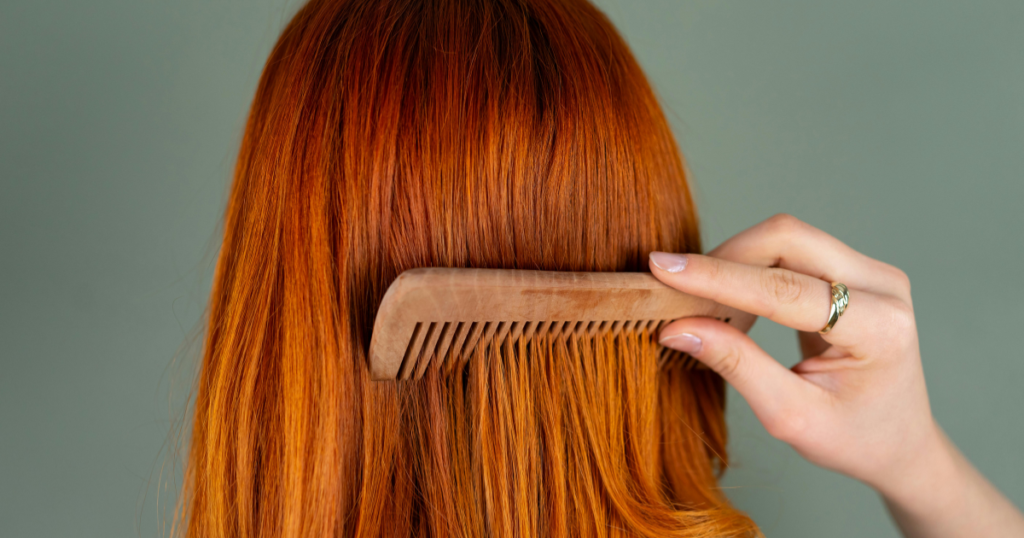
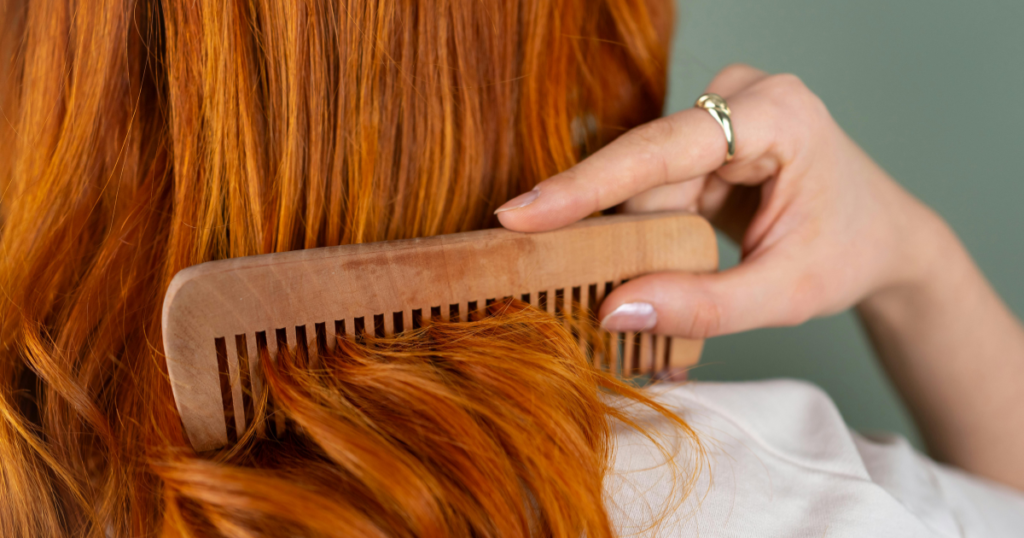
Dark copper red sits in a very specific pocket on the warm color spectrum. It is darker than a bright ginger, softer than a true fire red, and richer than a plain auburn. When the light hits it, you should see glints of orange and rust; when it falls in shadow, it should read almost like a deep cinnamon brown.
The shade has three working parts that you need to balance: depth, warmth, and saturation. Depth is how dark or light the base looks. Warmth is how much orange or red glows through. Saturation is how vivid or muted the color appears.
If any one of these three runs too high, the shade tips into something else. Too much warmth without depth becomes pumpkin. Too much depth without warmth becomes mahogany. Too much saturation without softness becomes a flat, costume red. The dark copper red I love sits gently in the middle of all three.
How Does Your Starting Hair Color Change the Result
This is the part I wish I had understood from the very first attempt. The same exact mix will look completely different on three different heads of hair, and natural dyes work by adding tone, not by lifting or stripping what is already there.
On light blonde or pre-lightened hair, copper tones grab very quickly and tend to look brighter, almost like a sunset orange before they settle. On medium brown hair, the same blend reads as a true warm auburn with visible red shifts in sunlight. On dark brown or black hair, the copper sits underneath as a subtle glow that you mostly see when you turn your head, and the overall tone leans more toward a deep burgundy red than a pure copper.
If your hair is gray or partially gray, the gray strands will pick up the warmth first and often look noticeably brighter than the rest. This is not a problem, it just creates a natural highlighted effect that some people actually love.
How Can You Make a Dark Copper Red Mix Using Henna and Hibiscus
This is the blend I tend to return to when I am looking for a soft, warm dark copper red on medium brown hair.
What You Need
- Pure body-art-quality henna powder, around 100 grams for shoulder-length hair
- Dried hibiscus petals, about 3 tablespoons, ground into powder
- Warm brewed black coffee, around 1 cup, cooled to room temperature
- 1 tablespoon of lemon juice, freshly squeezed
- 1 teaspoon of olive oil
Why This Method Can Work
Henna gives a strong copper-orange base on its own, hibiscus deepens it toward a rich red, coffee adds darkness, so the final tone leans more toward brown-red than bright orange, and the lemon juice helps the henna release its color molecules more cleanly. The olive oil keeps the paste from drying your strands out during the long sit time.
Preparation
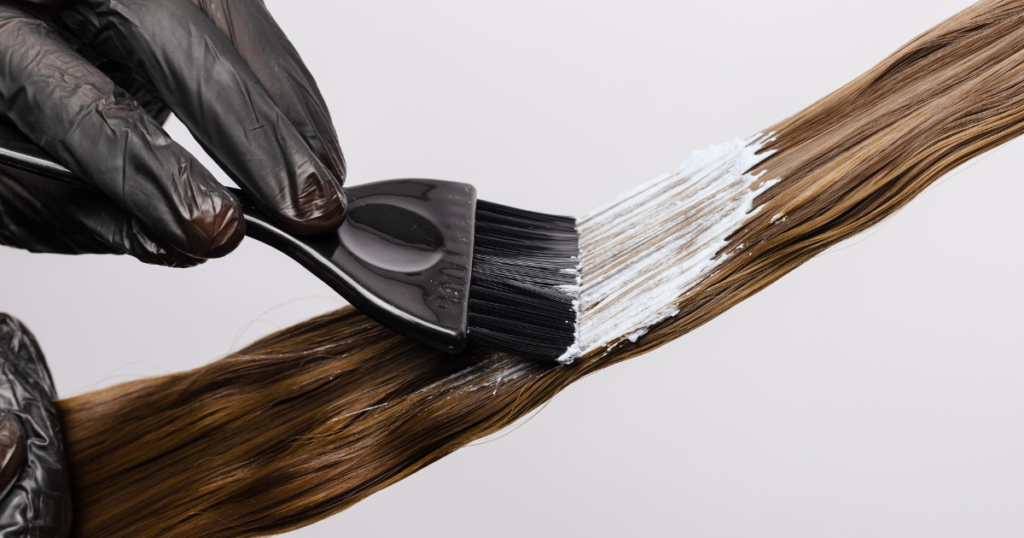
Mix the henna powder and ground hibiscus in a glass or ceramic bowl. Slowly pour in the cooled coffee while stirring, until the paste reaches the thickness of yogurt. Add the lemon juice and olive oil, stir again, and cover the bowl with cling film. Let it rest at room temperature for around 8 to 12 hours so the dye fully releases.
Exact Procedure
Section your hair into four parts. Apply the paste from roots to tips using gloved hands, working one section at a time. Pile your hair gently on top of your head, wrap it in cling film, and cover with an old towel to hold warmth. Leave it on for 3 to 4 hours. Rinse with plain water first, no shampoo, until the water runs mostly clear. Skip washing your hair with shampoo for the next 24 to 48 hours so the color can oxidize and settle.
What You Can Expect
The first day, your hair will look brighter and more orange than you expected. By day three, the shade deepens and pulls more red as it oxidizes against air. The true dark copper red shows up around day four or five, and it settles further with each gentle wash.
Things to Be Careful About
Always do a patch test behind your ear and a strand test on a hidden section first, since henna is permanent and cannot be easily removed. Avoid this mix if your hair has been recently bleached or chemically treated, as the result can shift unpredictably. Keep the paste away from fabric and tile, since it stains quickly.
How Can You Deepen the Red Tone Using Beetroot and Coffee
This is the milder option I reach for when I just want to refresh the dark copper red between full henna applications, or when I want to test the shade direction before committing to a permanent mix.
What You Need
- 1 medium beetroot, peeled and grated
- 1 cup of strong brewed black coffee, cooled
- 2 tablespoons of apple cider vinegar
- A muslin cloth for straining
Why This Can Work
Beetroot juice carries a deep red-pink pigment that clings temporarily to the outer layer of the hair, coffee adds brown depth, and the apple cider vinegar helps the cuticle lie flat so the color sits more evenly. Together, they create a wash that intensifies existing warmth without permanent commitment.
Preparation
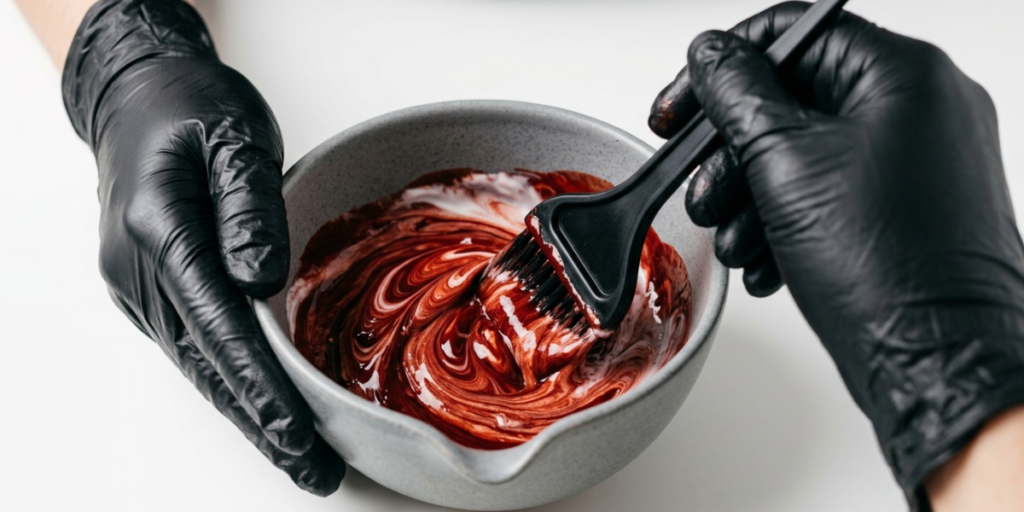
Blend the grated beetroot with a small splash of water until you have a thick pulp. Strain it through the muslin cloth to collect the deep red juice. Mix this juice with the cooled coffee and the apple cider vinegar in a spray bottle or bowl.
Exact Procedure
Wash your hair as usual and towel-dry until just damp. Pour or spray the mix evenly over your hair, working it through with your fingers from roots to tips. Pile your hair up, cover with a shower cap, and leave it on for 1 to 2 hours. Rinse with cool plain water and skip shampoo afterward.
What You Can Expect
The deepening is subtle and gentle, more like a tinted glaze than a true color change. You will mostly notice the warmth in sunlight, and the effect lasts around two to four washes before fading back to your base.
Things to Be Careful About
Wear an old shirt during application, since beetroot stains clothing and skin readily. Protect your forehead and ears with a thin layer of coconut oil or balm before applying. If your hair is very porous or recently lightened, the pink tones from beetroot can grab more strongly than expected, so always strand test first.
How Do You Match Your Undertone to the Right Copper Red Depth
Your skin undertone influences how the dark copper red will look against your face, even more than which mix you choose. Getting this match right is what separates a shade that looks intentional from one that looks slightly off.
If your skin has warm golden or olive undertones, brighter coppery versions of the shade tend to sit well and feel harmonious. If your skin has cool pink or neutral undertones, deeper red-leaning versions with more indigo balance look softer against your features. If your skin has neutral undertones that shift with the light, you have the widest range and can play with both ends.
A quick way to check is to look at the veins on the inside of your wrist in natural light. Greenish veins usually suggest warm undertones, bluish veins suggest cool undertones, and a mix of both suggests neutral. Once you know which direction your skin leans, you can adjust your mix by adding slightly more hibiscus and coffee for warmth.
What Should You Realistically Expect Before and After
This is where I have to be most honest, because the gap between what people hope for and what actually happens is usually the source of disappointment.
On light blonde hair, expect a vivid, almost neon copper on day one that gradually deepens into a true dark copper red over the first week. On medium to dark brown hair, expect the color to be visible mostly in sunlight for the first few applications, growing more obvious with repeated layering. On black hair, do not expect a dramatic shift; what you get is a beautiful red glow under direct light rather than a full color change.
The first 48 hours after any natural dye application are always the most unpredictable. Hair that looks slightly orange on day one often settles into proper red by day three. Hair that looks too dark right after indigo usually lightens back into the right warmth within two days. Resist the urge to do a corrective treatment in those first 48 hours, since you might be reacting to a stage rather than the final result.
How Do You Keep the Dark Copper Red From Fading Too Fast
Red tones are notoriously the first to wash out of any dyed hair, so aftercare matters almost as much as the dye itself. I wash my hair less often now, usually every third or fourth day, and only with sulfate-free gentle cleansers. Cool water rinses help close the cuticle and lock the color in.
Heat styling, chlorine, and direct sun all speed up fading, so I tie my hair up loosely on beach days and use a soft scarf when I know I will be in the sun for hours. Once a week, I try a quick beetroot and coffee glaze to help refresh the warmth between full applications. A simple oil treatment with coconut or argan oil before washing may also help the color hold longer by keeping the strands healthy.
Final Takeaway
What I love most about chasing this shade at home is how much it taught me to slow down. Dark copper red is not really one color; it is a quiet conversation between your hair, the ingredients you choose, and the light around you. The first time I stopped expecting a perfect outcome and started watching the shade settle over a few days, I felt I was getting closer to what I had been looking for. There is something quietly satisfying about wearing a color you built yourself, knowing exactly what went into it and why it looks the way it does.
Try This Today
If you are curious but unsure, start with just the beetroot and coffee glaze on a small back section of your hair. It washes out gently, gives you a real preview of how warmth sits on your strands, and costs almost nothing to try.
Frequently Asked Questions
Can I use this dark copper red mix if my hair is already chemically dyed?
It is best to wait at least four to six weeks after any chemical treatment before applying natural dyes, since the two can react unpredictably together. Always do a small hidden strand test first, even after waiting, to see how your treated hair takes the color.
How long does the dark copper red shade last on natural hair?
On untreated hair, the henna-based version can last several months and fades gradually rather than washing out completely. The beetroot and coffee version is a temporary glaze that lasts roughly two to four washes.
Can I get dark copper red without using henna at all?
You can build a temporary version using only beetroot, hibiscus, and coffee, but the depth and longevity will be much shorter. Henna remains the strongest natural way to achieve a lasting dark copper red.
Why does my hair look orange right after applying henna?
This is completely normal and is the first stage of oxidation. The orange tone deepens into red over the next two to three days as the dye molecules continue to develop in contact with air.

- How to Dye Your Hair Purple at Home (and Actually Keep the Color) - June 22, 2026
- Cool Hair Dye Ideas for Short Hair That Actually Look Stunning - June 11, 2026
- Cool Hair Dye Ideas That Actually Suit Real Life and Real Hair - June 9, 2026