Key Takeaways
- Black dye sits darker and clings harder than lighter shades, so moving quickly while the stain is fresh tends to give the easiest results.
- Most of what you need is already in your kitchen or bathroom, like plain oil, sugar, and a soft cloth.
- Gentle and slow almost always works better than hard scrubbing, especially around the face, ears, and hairline.
- A quick patch test on a small area first is a small step that protects sensitive skin.
- Results vary from person to person and from stain to stain, so nothing here is a guaranteed fix, only a set of calm, low-risk things to try at home.
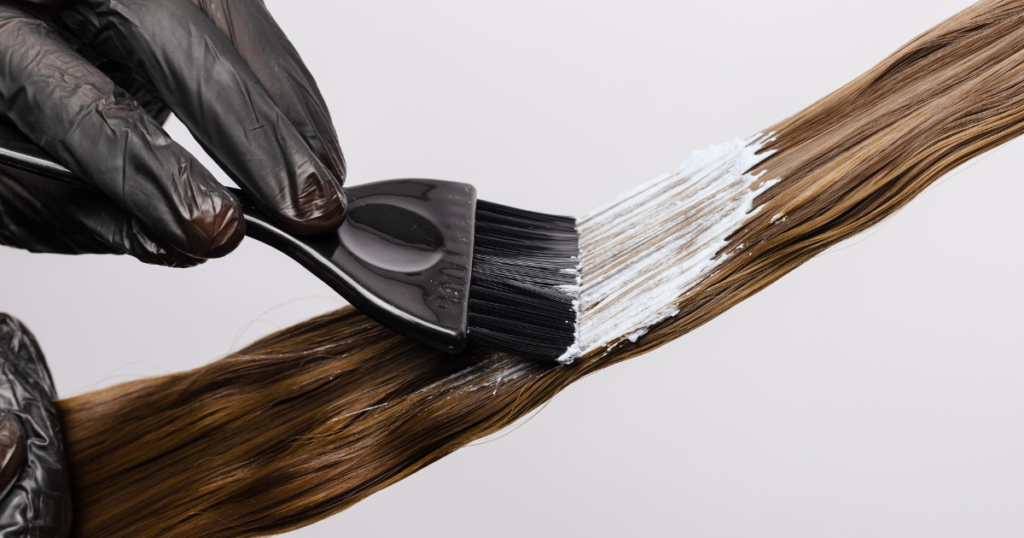
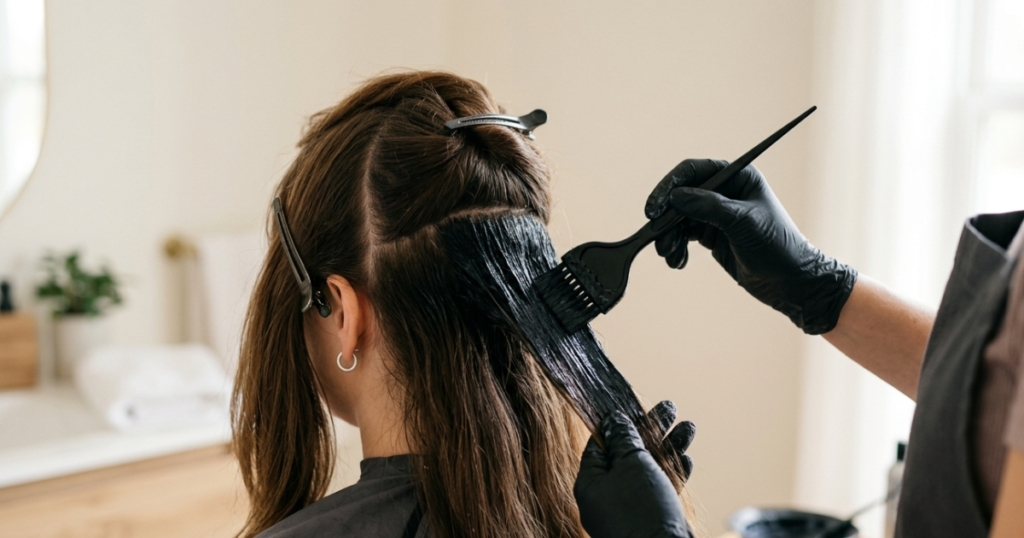
There is a very specific little moment I want to talk about, the one where you finish coloring your hair black at home, look in the mirror, and notice a dark smudge of dye sitting along your hairline, on the tops of your ears, or across your fingers. That exact problem, getting black hair dye off skin using things you already have at home, is what I want to walk you through, step by step.
I have stood at my own bathroom sink with black-stained fingers more times than I can count, so I am not writing this from a textbook. I am writing it from real evenings of trial, mess, and gentle fixing.
The reason I am focusing on black specifically, and not dye in general, is that black behaves differently. It is heavily pigmented, it shows up boldly on skin, and it tends to hold on longer than browns or lighter colors. So the approach has to be a little more patient and a little more careful than it would be for a softer shade.
Everything below uses home-based ingredients only. No special removers, no products to buy, nothing harsh. Just simple things, used kindly.
Why Black Dye Clings to Skin More Than Lighter Shades
Black dye carries a very high amount of dark pigment, which is the whole point of it, but it also means even a small amount leaves a strong mark on skin.
Skin is not smooth like glass. It has tiny grooves and dead surface cells that the dark pigment settles into, and on black dye, this shows up as a stubborn, shadowy stain rather than a faint tint.
This is also why timing matters so much with black. A fresh stain that is still slightly damp tends to lift far more easily than one that has had hours to dry and set into those surface cells.
So if you notice the smudge right after coloring, that is the best window to act in. Not in a panicked way, just gently and soon.
Getting Ready Before You Start Removing Black Dye at Home
Before reaching for any ingredient, it helps to set yourself up so the whole thing stays calm and low-risk.
First, gather your simple supplies in one place: a plain oil (olive, coconut, or any cooking oil), a little sugar, a soft cloth or cotton pads, and warm water. You will not use all of these at once, but having them ready saves you from running around with dye-stained hands.
Second, do a quick patch test. Dab whichever ingredient you plan to use on a small, less visible patch of skin, wait a minute, and check that it does not sting or turn red. This tiny step matters most for sensitive skin and skin near the eyes.
Third, set a gentle expectation. Black is common and so is this exact situation; in one study of people who color their hair, about 64 percent chose black, and a large share color at home, so these dark little smudges are a very ordinary after-color moment, not a disaster.
Finally, work near a sink with good light, and keep a towel nearby. Being relaxed and unhurried genuinely changes how gentle you can be with your skin.
The Oil Method for Lifting Fresh Black Dye From Skin
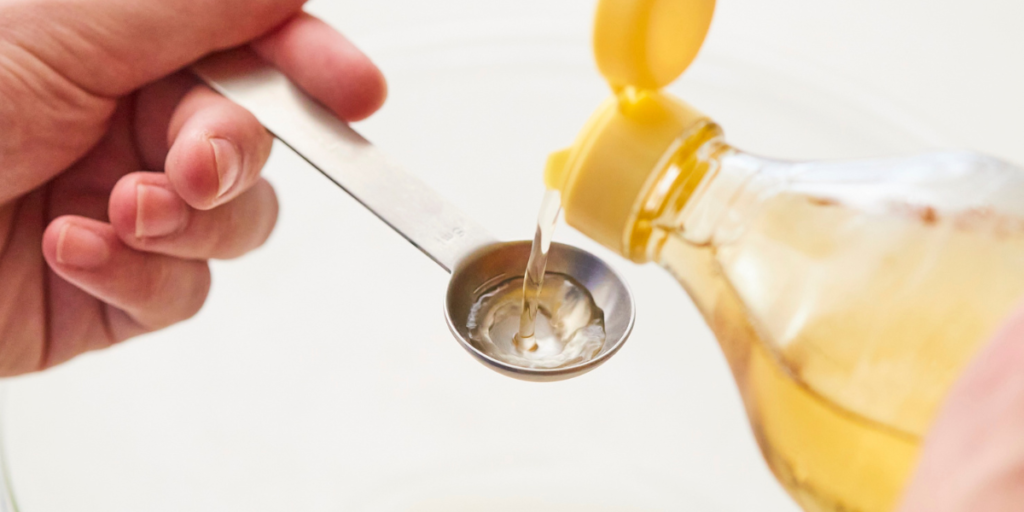
This is the one I reach for first, because oil is soft on skin and tends to loosen fresh black dye well.
What you will need: a small amount of any plain oil and a cotton pad or soft cloth.
How to do it, step by step.
Warm a little oil between your fingers or in a small dish so it is not cold.
Soak a cotton pad in it.
Press the pad onto the stained skin and hold it there for about a minute so the oil has time to work into the dye.
Then rub in slow, small circles, lifting the pad to check your progress.
Wipe away, and repeat once or twice if needed, before washing with a little warm water.
A gentle note: this works best on fresh stains and on softer skin, like the hairline and the back of the neck. If the dye has fully dried, oil alone may only fade it rather than remove it, and that is still a fine starting point.
A Soft Sugar and Oil Scrub for Black Dye on Hands and Fingers
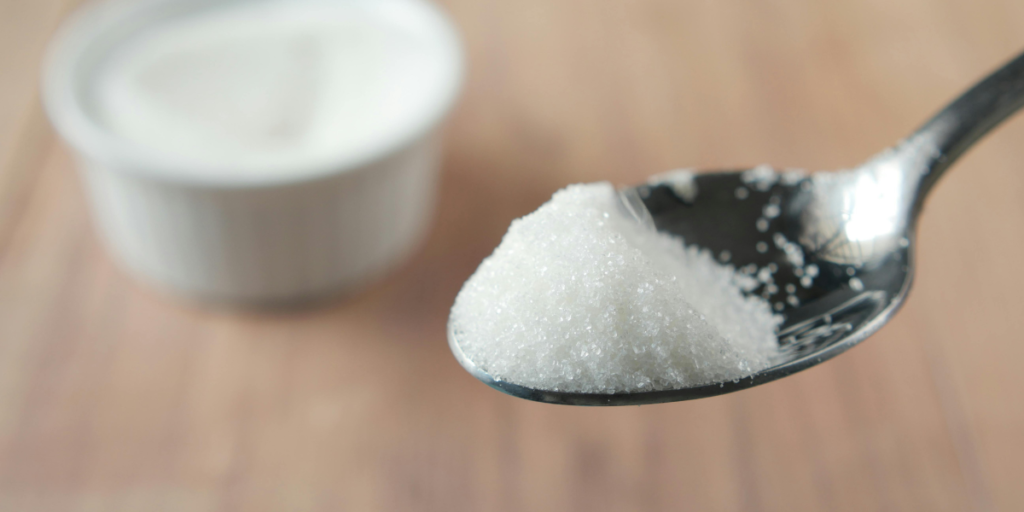
Hands and fingers take the most black dye, and the skin there is sturdier, so a soft sugar scrub tends to work nicely on them.
What you will need: a spoon of sugar and a spoon of any plain oil.
How to do it, step by step.
Mix the sugar and oil into a loose, grainy paste in your palm.
Massage it over your stained fingers and hands, focusing on the dyed patches, for about thirty seconds to a minute.
The sugar gently lifts surface pigment while the oil loosens it at the same time.
Rinse with warm water and a little soap, then look at your hands and repeat once if needed.
A note on kindness to your skin: this scrub is meant for tougher areas like hands, not for the delicate skin of the face. Go softly, and stop if the skin feels sore.
The Warm Soak Method for Black Dye That Has Already Set
If the black stain dried overnight and the other steps only faded it, a warm soak is the slow, patient finisher.
What you will need: a bowl of warm water, a little mild soap, and a soft cloth.
How to do it, step by step. Fill a bowl with comfortably warm water and add a small amount of mild soap. Soak the stained skin, or a soaked cloth pressed onto it, for several minutes to soften the dried dye. Then rub gently with the cloth, rinse, and repeat the soak if there is more to lift. Following up with the oil method right after a soak often gives the best of both.
Here is the reassuring part for set-in black stains. Even when a faint shadow stubbornly stays, it usually does not last, because the outer layer of skin renews itself in roughly 26 to 27 days, so what remains tends to fade on its own with normal washing and time.
Caring for Your Skin After Removing Black Dye
Once the black stain is gone or mostly faded, give the skin a little aftercare. Rinse well, pat dry, and smooth on a plain moisturizer or a drop of oil, since the lifting process can leave skin a touch dry.
Try not to keep scrubbing the same spot over many rounds in one sitting. If the dye is being stubborn, it is far kinder to your skin to stop, let it rest, and try again later or simply let time finish the job.
And a few things I gently avoid on skin, because they can do more harm than the stain itself: household bleach, undiluted lemon juice left on skin (which can react with sunlight), and any harsh rubbing that leaves the area red or sore. Gentle and patient really does win here.
Final Takeaway
If there is one thing I have learned from all my black-stained evenings at the sink, it is that this small mess is never worth panicking over. The skin is forgiving, the ingredients you need are usually already within arm’s reach, and a calm, gentle hand almost always does more than a frantic, scrubbing one. I have come to see those little dark smudges as just part of coloring my own hair at home, something that softens and lifts with a bit of patience and care, not something to be afraid of.
Try This Today
Next time you color, keep a small dish of plain oil and a cotton pad right by the sink, and wipe any black smudge the moment you spot it. Catching it fresh is the kindest, easiest fix of all.
Frequently Asked Questions
How fast should I try to remove black dye from skin after coloring?
As soon as you notice it, ideally while it is still fresh and slightly damp. Black sets quickly, so the sooner you start with something gentle like oil, the easier it usually is.
Can these home ingredients remove the black dye that dried overnight?
Often they can fade it well, though dried black can be more stubborn. A warm soak followed by the oil method tends to be the most effective combination for set-in stains, with repetition over a day or two.
Will black dye stains on skin go away on their own?
In most cases, yes, with time and normal washing, since the skin’s surface naturally renews itself. So even if a faint mark lingers, it usually does not stay for long.
Why does black dye stain skin darker than other colors?
Because black carries a very high amount of dark pigment, which shows up strongly on skin and settles into its surface more visibly than lighter shades do.

- How to Dye Your Hair Purple at Home (and Actually Keep the Color) - June 22, 2026
- Cool Hair Dye Ideas for Short Hair That Actually Look Stunning - June 11, 2026
- Cool Hair Dye Ideas That Actually Suit Real Life and Real Hair - June 9, 2026