Key Takeaways
- Short hair holds color with surprising intensity, which makes even subtle dye choices look bold and dimensional.
- Pastel tones, bold highlights, balayage, two-tone effects, and vivid all-over color each work differently on short cuts, and understanding how can save you from a disappointing result.
- The less hair there is, the more visible every detail becomes, so the placement and blend of color matter more than the shade alone.
- Caring for dyed short hair is generally easier and faster than long hair, but it still needs consistent moisture and heat protection.
- Short hair grows out and fades faster than long hair, so low-maintenance color choices like balayage and soft root-to-tip transitions will hold their beauty longer between touch-ups.
I remember the first time I considered dyeing my short hair and felt genuinely uncertain about which direction to go. Long hair had endless tutorials and before-and-after photos everywhere, but short hair felt like a different conversation entirely. The angles were sharper, the shapes more defined, and I knew that the wrong color placement could throw the whole look off.
What I eventually learned is that short hair is actually one of the most exciting canvases for color work. Because there is less surface area, every dye decision reads clearly and immediately. A well-placed highlight catches the eye right at the cheekbone. A color-melt blend moves with the cut instead of fighting it. The result can look effortlessly intentional in a way that longer hair sometimes cannot achieve.
If you are sitting with a short haircut right now and wondering what cool hair dye ideas might actually look good on you specifically, this guide is for you. I have kept it focused on five ideas that can work particularly well on short hair, rather than simply listing trends often associated with longer lengths.
The 5 Best Cool Hair Dye Ideas for Short Hair
1. Pastel Tones on Short Hair: Soft Color That Reads Loudly
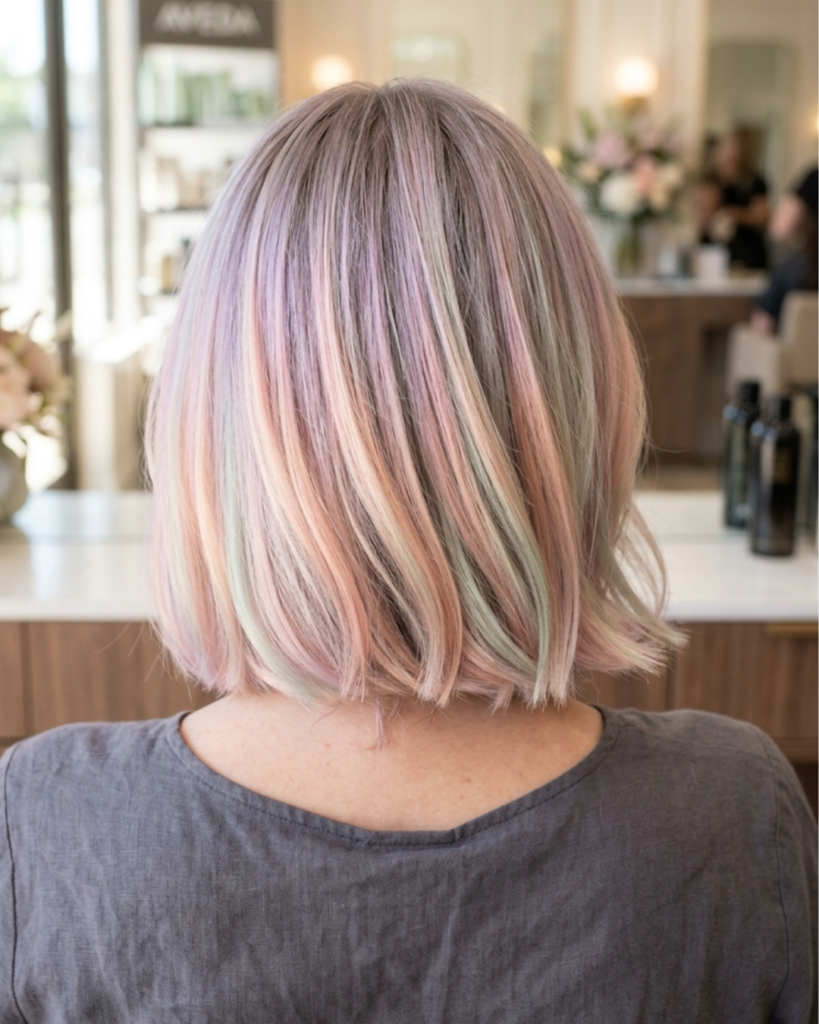
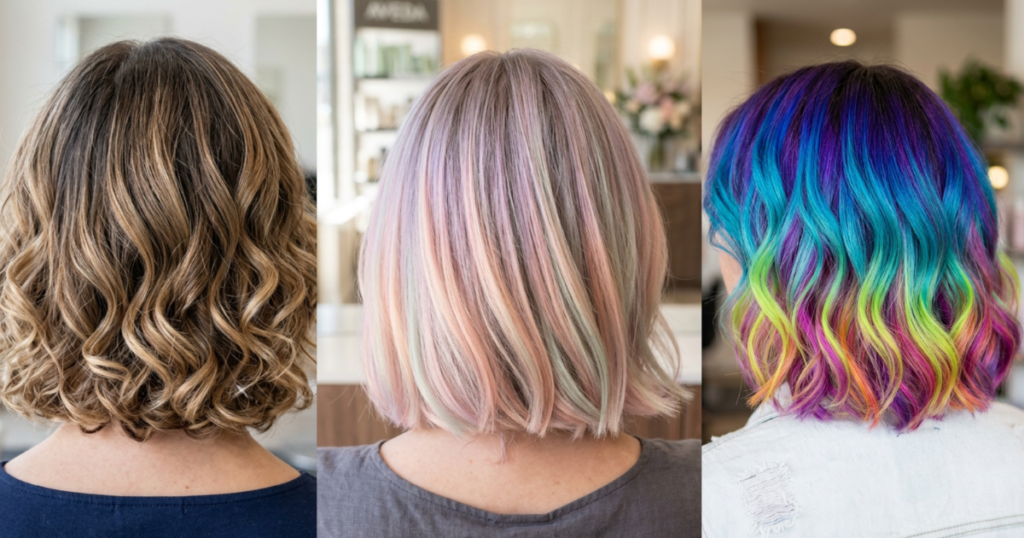
Pastel hair color sits in that sweet space between subtle and statement. On long hair, pastels can sometimes blend into each other and lose their individuality. On short hair, pastel tones sit closer to the face, and every soft lavender, dusty rose, or barely-there mint becomes impossible to miss.
What makes pastels particularly interesting on short cuts is that they layer beautifully over a lightened base. If your natural hair is dark, your stylist will likely need to pre-lighten it before applying the pastel pigment, and the quality of that lightening process will determine how clean the final color looks. Rushing this step tends to produce pastel shades that pull yellow or orange rather than settling into the soft tone you envisioned.
On very short cuts like a cropped pixie or a textured bob, pastel tones work best when they are applied evenly across the entire head rather than attempting complex placement. The shape of the cut is already doing most of the visual work, and a clean all-over pastel supports that structure without competing with it.
One thing to keep in mind is that pastel colors may fade more quickly than deeper shades, particularly on porous or frequently washed hair. Using a color-depositing conditioner in a matching or slightly cooler shade between salon visits can help extend the life of the color by a few weeks and keep it from fading into a brassy or washed-out tone.
If you enjoy changing your color regularly, pastel hair is actually a playful advantage on short hair. Because there is less hair to treat and re-tone, switching from a lavender to a pale peach or ice blue between seasons is far more manageable than it would be on longer lengths.
2. Bold Highlights on Short Hair: High-Contrast Color That Shapes the Cut
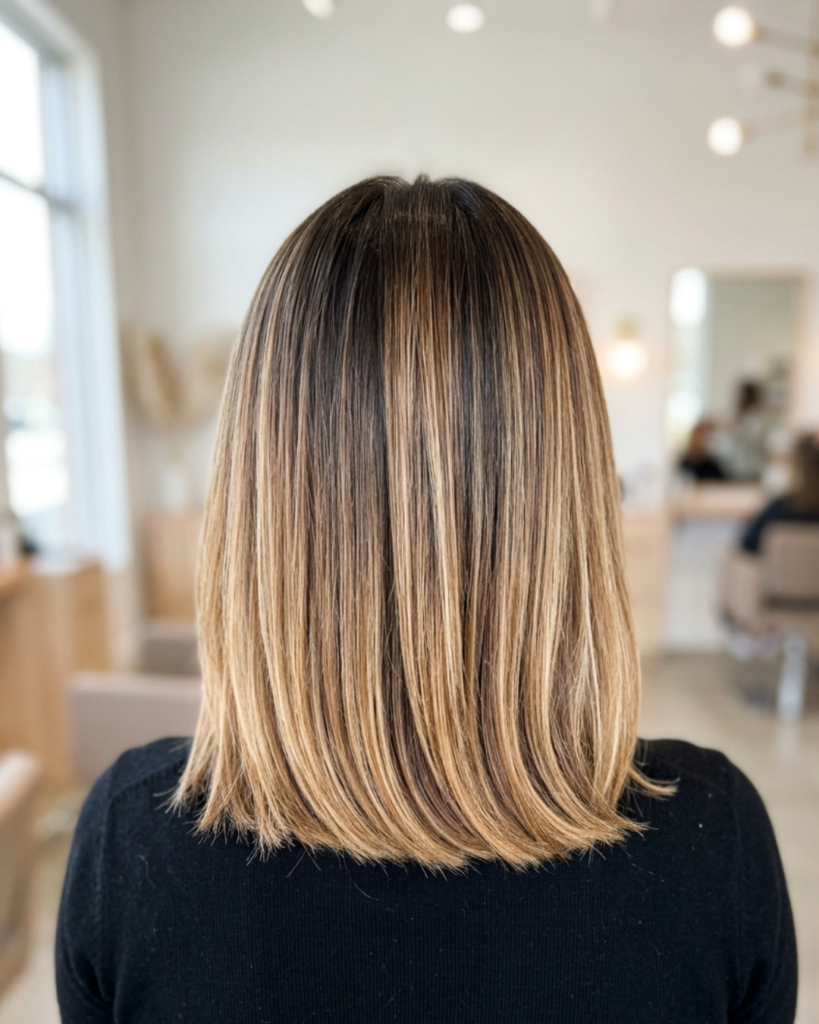
Highlights on short hair do something that highlights on long hair rarely achieve: they sculpt. Because the hair sits close to the head and the sections are short, strategically placed highlights can visually emphasize the best angles of your cut, making a jaw-length bob look sharper or giving a pixie cut a sense of dimension and movement.
Bold highlights for short hair tend to work in two ways. The first is a chunky, high-contrast placement where thick strips of lighter or brighter color run through darker base hair in a deliberate pattern. This look has a strong visual personality and works especially well on geometric cuts where the boldness of the color echoes the boldness of the shape. The second is a finer, more scattered approach where multiple thin highlights are placed at intervals to create a shimmery, light-catching effect across the whole head.
What makes either approach “cool” rather than dated is the choice of undertone in the highlight shade. Highlights that lean ashy, platinum, or cool-toned tend to feel fresh and modern. Highlights that pull warm gold or brassy yellow can feel less intentional unless the base color is also warm, in which case they create a cohesive sun-touched effect.
For short bobs, highlights placed around the face frame and through the ends of the hair can add softness to what might otherwise be a very structured silhouette. For pixies and cropped cuts, a few well-placed lighter pieces through the top section can draw attention upward and make the cut look taller and more dynamic.
One important thing to note: bold highlights on short hair require precision during application. Because each section of hair is short, a highlight that is slightly off-placement has nowhere to hide. Seeking out a colorist who is experienced specifically with short hair color tends to produce better results than working with someone whose portfolio is mostly long hair.
3. Balayage on Short Hair: The Low-Maintenance Color Idea That Grows Out Beautifully
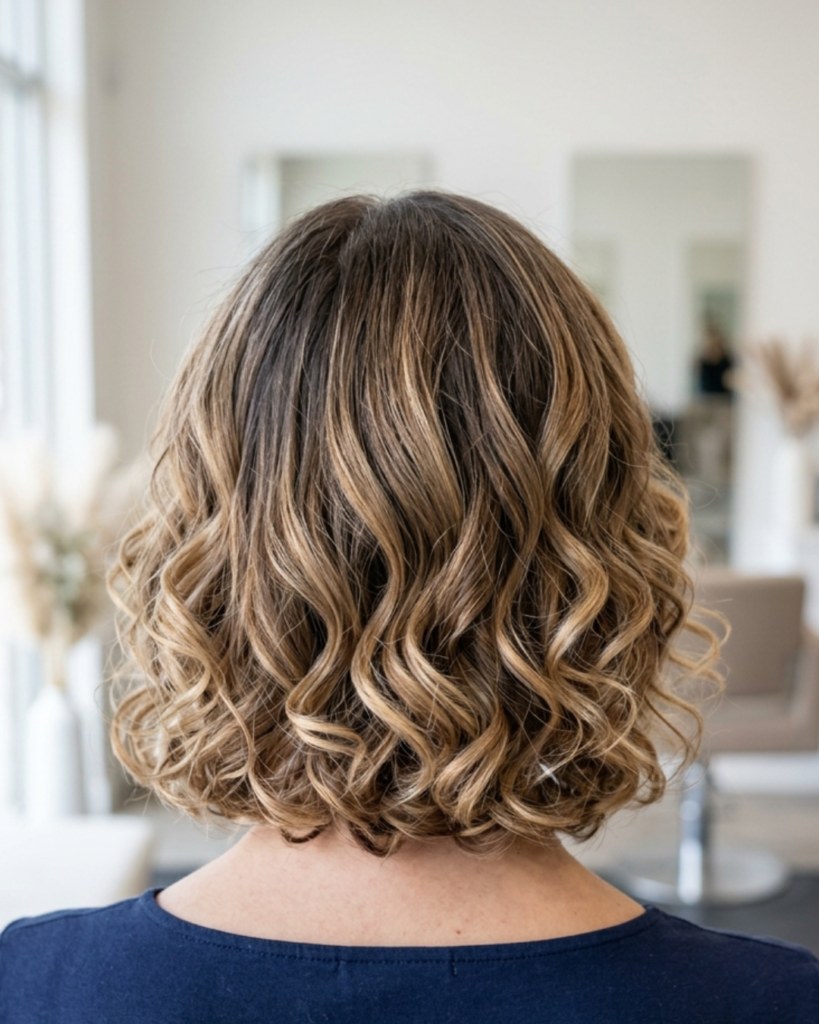
Balayage is a French freehand painting technique where color is applied to the surface of the hair in sweeping, feathered strokes rather than being pulled through foils in a uniform pattern. The result is a gradient of color that mimics the way hair naturally lightens from root to tip when exposed to sun and elements. On long hair, balayage is practically ubiquitous at this point. On short hair, it is still underused, which is a missed opportunity.
Short hair balayage tends to focus the lighter tones toward the ends and mid-lengths while leaving the roots closer to the natural base color. This creates a soft, blended effect that looks intentional from the front but not heavy or overdone. On a chin-length bob, balayage can add a warmth and depth that makes the cut feel lived-in and natural rather than freshly painted.
The reason balayage is particularly well-suited to short hair from a maintenance perspective is its grow-out behavior. Because the technique leaves the roots darker and does not create a hard line of demarcation, new growth tends to blend into the existing color without producing an obvious regrowth stripe. This means you can typically wait longer between appointments without the color looking neglected, which matters when you are balancing time and budget.
For those with very short hair, including styles like a tapered cut or an undercut bob, balayage can be applied to just the top and longer sections, leaving the shorter sides and nape in the natural base color. This creates a beautiful contrast between the structured short sections and the softer, sun-kissed longer sections.
4. Two Tone Hair Dye for Short Hair: Bold Color Blocking Done Right
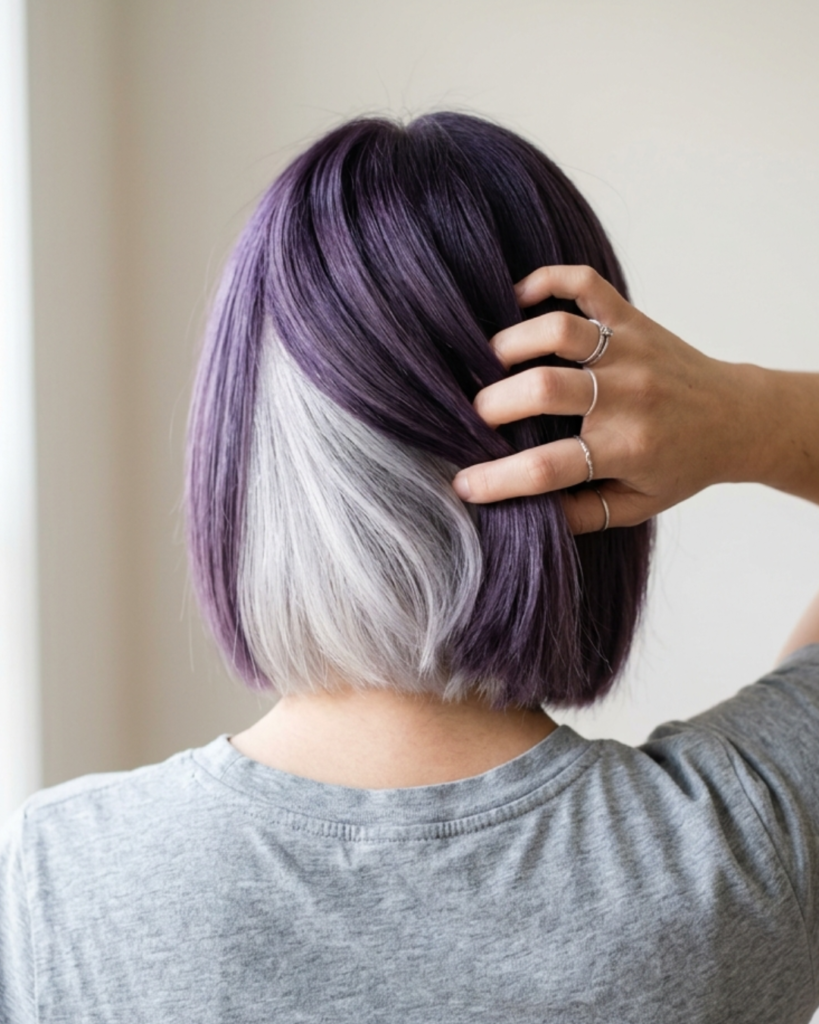
Two-tone hair is exactly what it sounds like: two clearly defined, distinct colors sharing the same head of hair. On short hair, this idea becomes particularly striking because the two zones of color are close together, visible from every angle, and defined clearly by the structure of the cut itself.
The most popular version of a two-tone color on short hair involves a darker base on the roots and lower sections, with a vivid or contrasting shade applied to the top and ends. However, there are other approaches worth considering. Split-dye looks, where the hair is literally divided down the middle with one color on the left and a completely different color on the right, have a graphic intensity that short hair carries particularly well. Color-blocked underlayers, where the hidden underside of the hair is dyed a contrasting shade that reveals itself when styled in certain directions, offer a more subtle version of the two-tone effect.
One appealing aspect of two-tone color on short cuts is that it can create the illusion of shape and movement without relying on length to do that work. A cropped bob with black roots fading into a vivid teal through the ends reads as dimensional and artistic even when the hair is completely straight and unstyled.
The key to two-tone color that looks cool rather than unintentional is clean blending at the transition point. Depending on the look you want, this blending can be soft and diffused (creating a gradient) or crisp and precise (creating a hard edge). Both work, but they create very different moods. Soft blending feels more editorial and wearable for everyday life, while a hard edge between two colors feels more graphic and fashion-forward.
Because two-tone color involves maintaining two distinct shades at once, it generally requires a bit more attention during upkeep. Using separate products suited to each zone of color, particularly if one section contains a vivid pigment that fades quickly, can help both tones stay vibrant for longer.
5. Vivid All-Over Color on Short Hair: When One Bold Shade Takes Over Everything
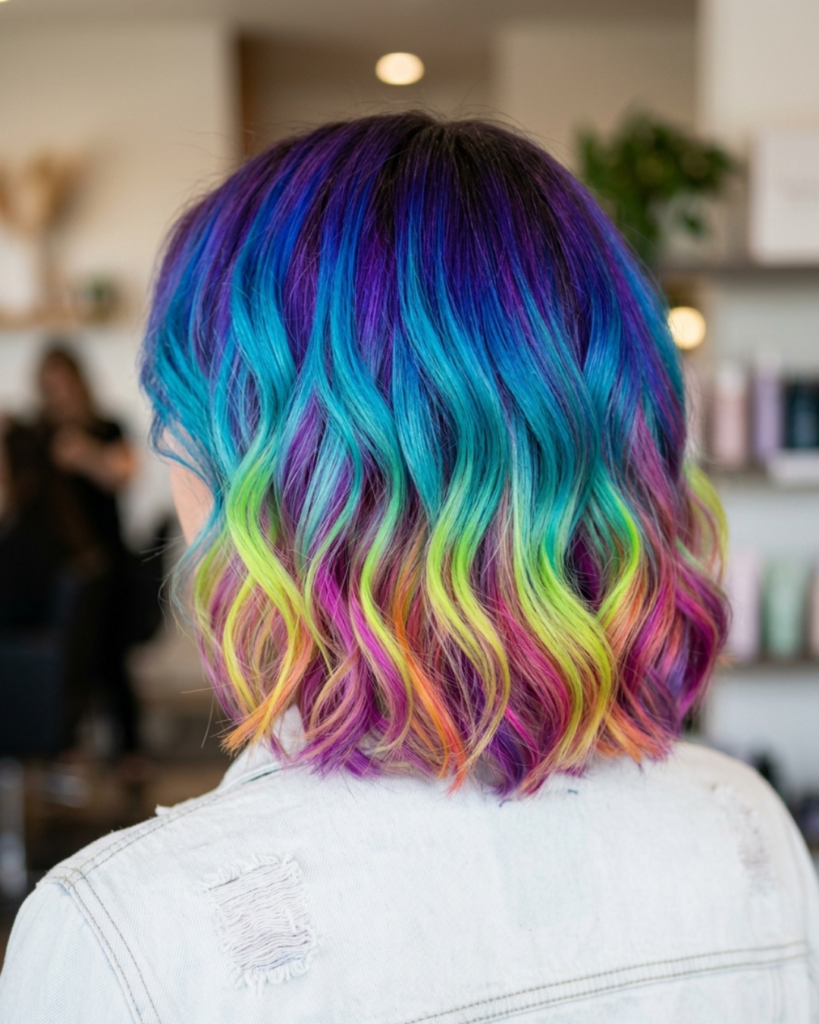
All-over vivid color is one of the most impactful cool hair dye ideas for short hair because it gives the cut a uniform intensity that photographs dramatically and reads with visual confidence in person. When the entire head of hair is one saturated shade, whether that is a deep cobalt blue, a saturated forest green, a warm copper red, or a cool cherry, the color becomes the style statement. The cut supports it, but the color leads.
What makes vivid all-over color particularly successful on short hair is the speed of the application and the evenness of the saturation. Long hair often develops patchiness in an all-over vivid application because the density of the hair and the varying porosity from root to weathered ends create uneven absorption. Short hair, particularly freshly cut short hair, tends to absorb vivid color more consistently because the lengths are newer and the overall volume of hair is smaller.
A consideration worth keeping in mind for vivid all-over color is the importance of tone-on-tone layering during the coloring process. Vivid shades over a poorly prepared or unevenly lightened base will not saturate evenly. A skilled colorist will typically ensure the pre-lightened base is at a consistent level before applying the vivid shade, and this preparation work often takes more time than the final color application itself.
Maintaining vivid all-over color on short hair involves a few consistent habits. Washing with cool water rather than hot water reduces the rate at which vivid pigment fades. Using a sulfate-free shampoo designed for color-treated hair can help the pigment last longer between sessions.
For those who enjoy color changes frequently, vivid all-over color on short hair is an ideal starting point. Because the hair is short, transitioning from one vivid shade to another involves treating a manageable amount of hair. The shorter the hair, the more freedom you have to experiment without a long-term commitment to a single color.
Things to Consider Before Dyeing Short Hair
Before you commit to any of the cool hair dye ideas above, a few practical realities are worth knowing. Short hair may require more frequent touch-ups than long hair because the root growth becomes visible proportionally faster. A centimeter of new growth on long hair disappears into the length, but on short hair, the same amount of growth is noticeable close to the face and scalp.
Condition is everything. If your short hair is already compromised from heat, previous color, or dryness, adding more chemical treatment may increase breakage or cause the new color to absorb unevenly. Taking a few weeks to rebuild moisture and strength with a conditioning routine before your color appointment can make a real difference in the final result.
Porosity also affects how color takes and how long it lasts. Highly porous hair absorbs color quickly but releases it just as fast. If your hair has been bleached or color-treated before, discussing its current porosity level with your stylist can help you choose a color approach that will hold well and fade gracefully.
Final Takeaway
I think what short hair teaches you about color is that every choice is amplified. There is less room to hide a decision you feel unsure about, which sounds intimidating until you realize that it also means every good decision looks exceptional. The cool hair dye ideas in this guide, from the softest pastel wash to a graphic two-tone split, are all capable of transforming a short cut into something genuinely arresting when they are chosen thoughtfully and executed carefully.
The best color for your short hair is the one that feels honest to you, supports the structure of your cut, and leaves you feeling more like yourself when you look in the mirror. That is a more reliable compass than any trend.
Try This Today
If you are not quite ready to commit to a full color appointment, try wrapping a piece of colored fabric or a scarf in the shade you are considering around your head at the hairline for a few minutes. It is a low-stakes way to see how a particular color family interacts with your skin tone before you sit in the chair.
Frequently Asked Questions About Cool Hair Dye Ideas for Short Hair
Can I dye my very short pixie cut at home, or do I need a stylist?
Very short cuts like pixies are actually among the more approachable styles for at-home color, particularly for all-over applications. The challenge comes with precise placements like highlights or two-tone effects, where uneven application is hard to correct at home. For bold or complex color on a pixie, a stylist tends to produce cleaner results.
Will pastel color work on my naturally dark short hair?
Pastel tones generally require pre-lightening on dark hair before the pastel pigment can show up with any clarity. Going straight from a dark base to a pastel with a box dye will typically produce a result that is too dark to read as pastel. A professional lightening process followed by a pastel toner, gives you a much better chance of achieving the soft tone you are aiming for.
How do I make bold highlights on short hair last longer?
Using a color-safe, sulfate-free shampoo, washing less frequently, and avoiding very hot water during rinsing can all help extend the life of highlighted short hair. A toning gloss applied every few weeks can also refresh the cool tones in highlights that have started to pull warm or brassy.
Does balayage work on very short bobs, or is it only for longer hair?
Balayage absolutely works on short bobs. The technique is adapted slightly by the stylist to work within the shorter sections, but the result, a soft gradient with natural-looking root depth, translates beautifully to chin-length and shorter cuts. It can look especially elegant on a sleek, blunt bob where the color adds dimension to an otherwise clean silhouette.
Can I switch from one vivid all-over color to a different vivid shade without bleaching again?
In some cases, particularly if you are going from a lighter, vivid shade to a darker or similar-tone vivid shade, re-bleaching may not be necessary. However, going from a dark, vivid color to a lighter or completely different vivid tone almost always requires some removal process first. A colorist can assess your specific situation and advise on the safest approach.
- How to Dye Your Hair Purple at Home (and Actually Keep the Color) - June 22, 2026
- Cool Hair Dye Ideas for Short Hair That Actually Look Stunning - June 11, 2026
- Cool Hair Dye Ideas That Actually Suit Real Life and Real Hair - June 9, 2026