Key Takeaways
- Natural dark red hair dye made at home rarely fades into the same shade it started as, and the final tone depends heavily on your base hair color.
- Most homemade dark red blends shift toward softer warm tones like copper, rust, faded burgundy, or warm auburn as the pigment slowly washes out.
- The ingredients you use, like henna, beetroot, hibiscus, or coffee, each leave behind their own unique afterglow.
- Lighter base hair tends to fade into orange-leaning shades, while darker base hair holds onto deeper rust and muted burgundy notes.
- How you wash, condition, and expose your hair to the sun also shapes the final faded color you end up seeing.
- Fading is not a flaw with natural dyes, it is part of their soft, evolving character.
When I first started experimenting with homemade dark red hair color, the part nobody warned me about was the fade. Everyone talked about how rich the first wash looked, how glossy the strands felt, how the red caught the light. But after a couple of weeks, when I looked in the bathroom mirror in natural daylight, the color seemed to have quietly shifted into something else. Fade timelines can vary quite a bit from person to person.
It was softer, warmer, a little unpredictable. That moment made me realize natural dark red is not a fixed color, it is a slow journey through several shades. Humans have been coloring hair with plant-based reds for thousands of years; lawsone-based dyes from henna alone have been in use for more than 5,000 years, which gives this slow, evolving fade pattern a long history behind it.
If you have been wondering what your homemade dark red dye may look like a few weeks down the line, I want to gently walk you through the kinds of fade patterns that are often described with different base hair colors and different ingredient blends.
Why Does Natural Homemade Dark Red Hair Dye Fade Differently Than Chemical Dye
Chemical dyes lift the cuticle and deposit pigment deep inside the strand, which is why they often fade in a flatter, more uniform way. Natural dyes work very differently. They mostly coat the outside of the hair shaft and stain it gradually. Because of this, the color sits on top of your existing tone instead of replacing it.
That means your real hair color is always quietly showing through, even when the red looks vivid in the first week. As washing and sun exposure slowly lift the natural pigment off the strand, your base color starts peeking through more and more. The fade you see is really a blend of what is left of the dye and what your hair naturally is underneath.
This is also why two people using the same homemade recipe can end up with completely different fade colors. The dye is the same, but the canvas is not.
What Color Does Homemade Dark Red Hair Dye Fade to on Dark Brown or Black Hair
On naturally dark brown or black hair, homemade dark red dye usually starts looking like a deep wine or burgundy in certain light, especially indoors. As it fades, it tends to settle into a muted burgundy with brown undertones, almost like dried rose petals.
Over a few more washes, the burgundy softens further and reveals warm auburn glints, mostly visible in sunlight. From a distance, your hair may look brown again, but in direct light, the warmth lingers for a long time. This is one of the gentlest fades because the dark base absorbs the loud parts of the red and leaves only the cozy warmth behind.
This fade can often stretch out for many weeks, since the underlying darkness tends to keep the tone grounded. Harsh orange surprises are reportedly less common on this base, which many people find reassuring.
If anything, the disappointment for some people is that the red was never bright to begin with. But the fade is forgiving, soft, and very wearable.
What Color Does Homemade Dark Red Hair Dye Fade to on Medium Brown Hair
Medium brown can be one of the more interesting bases to watch, in my opinion, though every head of hair behaves a little differently. The first stage usually looks like a rich auburn or chestnut red. Then, as the pigment gently lifts, you start moving into a warm, rusty auburn that almost glows in the sun.
After a few more weeks, the color often settles into a soft copper-brown blend. It is no longer clearly red, but it is far from your original brown, either. It sits in that beautiful in-between space that feels lived-in and natural.
Towards the very end of the fade, you may notice a faint coppery halo around your face, especially on the strands that get the most sunlight. The hair underneath the top layer often stays a little redder for longer because it is shielded from washing and light.
Many people I have spoken to actually fall in love with this fade stage more than the original color. It feels less like a dye job and more like a season your hair is moving through.
What Color Does Homemade Dark Red Hair Dye Fade to on Light Brown or Dirty Blonde Hair
On lighter bases, homemade dark red dye behaves boldly. The first impression is usually a vivid, almost cherry-toned red because there is less natural darkness to mute it. The fade, however, is faster and more dramatic.
Within the first couple of weeks, the red starts shifting toward a bright copper. After that, it often moves into a rusty orange phase, which is the stage that surprises people the most. If you were expecting the dye to fade into a softer red, the orange chapter can feel unexpected.
Eventually, the rust softens into a peachy copper or warm strawberry tone, which is actually quite flattering for many skin tones. The very final stage, before it washes out almost completely, is a faded apricot tinge that catches the light gently.
If you want to slow this fade, washing less often, using cool water, and avoiding too much direct sun may help the deeper tones linger a little longer.
What Color Does Homemade Dark Red Hair Dye Fade to on Gray or White Hair
Gray and white hair is the most translucent canvas of all. Homemade dark red dye tends to grab onto these strands quickly and intensely, which is why the first result often looks brighter and more pink-red than expected.
The fade on gray hair usually moves through pink-rose, then into a soft coral, and finally into a pale strawberry blonde-like shade. Because there is no underlying pigment to blend with, you see the dye color almost in its purest form throughout the entire fade.
Some strands may hold onto the color longer than others, which can create a gentle multi-tonal effect that many people find quite pretty. It looks less uniform but more alive.
The one thing to be mindful of is that the pink stage can be unexpectedly vivid right after the first wash. If you prefer a softer start, mixing the dye with a little extra conditioning base or leaving it on for a shorter time may help tone things down.
How Do Specific Natural Ingredients Influence the Final Fade Color
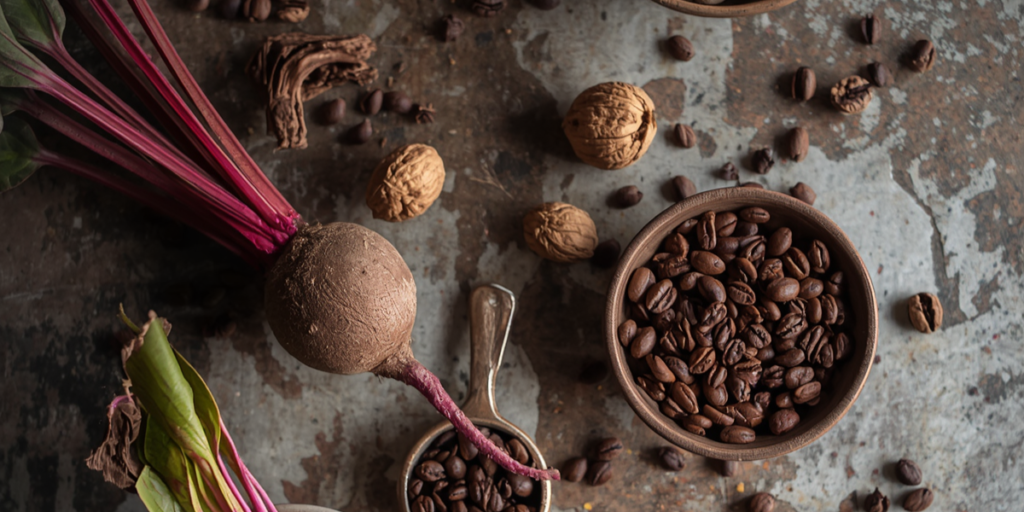
Each natural ingredient leaves its own signature behind as it fades. Henna, when used as the base, tends to fade into warm copper and rusty orange tones
because that is its true underlying color, even when other ingredients darken it initially.
Beetroot adds a cool, pinkish-red layer that fades fairly quickly into a soft rose tint. It rarely lasts as long as henna, but it sweetens the early fade beautifully. Hibiscus contributes a deep wine-like richness that fades into muted burgundy and dusty rose, especially noticeable on darker hair.
Coffee and walnut hull additions, often used to deepen the red, fade into warm brown undertones rather than red ones. So if your blend leaned heavily on these, your fade may end up looking more auburn-brown than copper.
Knowing which ingredient dominates your blend can help you predict the fade more accurately. The loudest ingredient in your jar usually has the loudest voice in your fade.
What Everyday Habits Affect How Your Natural Red Fade Looks
How often you wash your hair has the biggest impact on the fade. Frequent washing, especially with hot water, lifts the natural pigment off the strand quickly. Cooler rinses and gentler cleansing routines help the color hold its depth for longer.
Sun exposure is another big factor. Long hours in direct sunlight can shift red tones toward orange and copper much faster than indoor life would. If you spend a lot of time outdoors, expect a quicker move into the warmer fade stages.
Swimming in chlorinated pools or salty seawater can also strip pigment unevenly, sometimes leaving patches that fade faster than the rest. A simple pre-swim rinse with plain water can reduce how much chlorine your hair absorbs.
Hair masks with oils like coconut, almond, or argan can actually slow the fade because they create a soft barrier on the strand. Regular oiling sessions may help the color look richer for longer, though results can vary from person to person.
Even your pillowcase fabric can play a tiny role. Cotton tends to absorb a little color over time, while smoother fabrics let the strands glide without friction-based fading.
Final Reflection on Watching Your Natural Red Slowly Change
What I have come to appreciate about homemade dark red hair color is that it never really feels finished. It keeps moving, softening, surprising me in different lights. The fade is not the end of the color, it is another version of it.
Some weeks I miss the deep wine of the first wash, and other weeks I find myself loving the quiet copper that takes its place. Letting go of the idea that hair color should stay the same has made the whole experience feel a lot lighter and a lot more personal.
A Gentle Tip You Can Try Today
If you want to enjoy the fade instead of fighting it, try washing your hair with cool water and skipping a wash day this week. You might find the warmth holds on a little longer, almost as if the color is settling in more gently.
Frequently Asked Questions About How Natural Homemade Dark Red Hair Dye Fades
Does homemade dark red dye ever fade to a clean, neutral color?
Not usually. Natural red pigments almost always leave behind some warmth, even at the very end of the fade. You may see soft copper, peach, or warm beige tones, but rarely a fully neutral shade.
How long does it take for homemade dark red hair dye to fully fade?
On most hair, the visible fade happens over four to eight weeks, but a faint warm tint can linger for months, especially on porous or previously lightened hair.
Can I refresh the color before it fades completely?
Yes, gentle reapplication every few weeks helps maintain depth without overloading the strands. Many people feel that layered applications can give richer, longer-lasting tones than one heavy session, though everyone’s hair responds a little differently.
Will my hair look orange at some point during the fade?
On lighter bases, yes, an orange or rust phase is very common. On darker bases, it usually skips straight to muted burgundy or auburn without a strong orange stage.
- How to Dye Your Hair Purple at Home (and Actually Keep the Color) - June 22, 2026
- Cool Hair Dye Ideas for Short Hair That Actually Look Stunning - June 11, 2026
- Cool Hair Dye Ideas That Actually Suit Real Life and Real Hair - June 9, 2026