Key Takeaways
- Natural ingredients can shift your hair toward warm red and burgundy tones when used consistently.
- The depth of color depends heavily on your starting hair shade and how porous your strands are.
- Results from plant-based dyes are subtle, semi-permanent, and tend to fade within two to four weeks.
- Patience and repeated application are the two most important factors in this process.
I have always been drawn to dark red hair. Not the bright copper-orange kind, but the deep, wine-tinted, almost-burgundy shade that catches light and looks like it belongs in autumn. For a long time, I thought that shade was only possible through a box of chemicals. Then I began experimenting, carefully and slowly, with what I had at home, though results can vary widely depending on hair type.
What I found was not magic, and it was not a perfect salon result. But the process felt personal and hands-on, and for some hair types, it may add a sense of warmth and depth over time. I want to share exactly how I did it, what actually worked, and where the limits of natural color honestly sit.
How Do Natural Ingredients Actually Affect Hair Color
Before getting into the method, it helps to understand what is happening when you apply plant-based color to your hair. Natural pigments work by depositing color onto the outer layer of your hair strand, the cuticle, rather than penetrating deep into the cortex, the way oxidative dyes do. This is why the results are softer and less permanent.
The ingredients I gravitated toward for dark red tones fall into a few categories. Some are deeply pigmented plants that stain the cuticle. Some are tannin-rich ingredients that help color bind and stay longer. Some are acidic agents that open the cuticle slightly so pigment can settle in more effectively.
Henna is the most well-known natural hair colorant, and for good reason. Its active molecule, lawsone, binds chemically to the keratin in your hair, which makes it more permanent than most plant dyes. On its own, henna produces a bright orange-red. To push it toward dark red or burgundy, it needs to be combined with other deeply pigmented plant powders. Indigo, amla, and beet root each contribute something different to the final shade.
If your hair is dark brown or black to begin with, the shift will be subtle. A dark red tint in sunlight, a slight warmth at the roots, a burgundy sheen in certain lighting. If your hair is lighter or already color-treated, the result can be noticeably deeper.
The One Best Method: Henna and Beet Root Dark Red Paste
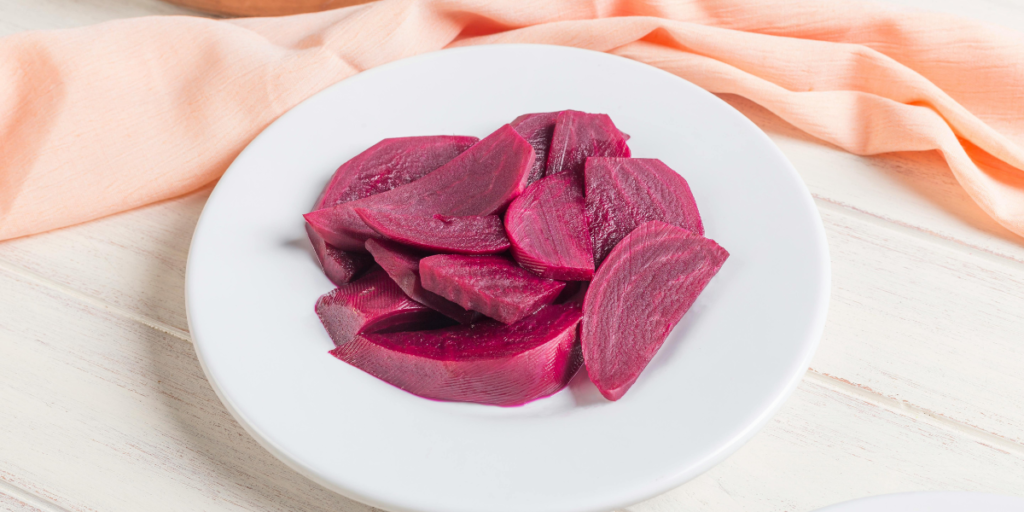
This is the method I kept returning to, though individual results can vary. It uses two primary ingredients and a handful of supporting elements that help with color depth, texture, and staying power. It seems to be one of the more consistent approaches for those hoping to shift toward darker red tones at home without chemicals, though results depend heavily on your starting hair color.
What You Need
- Henna powder (body art quality, 100 percent pure): 100 grams for shoulder-length hair
- Beet root powder: 3 tablespoons
- Amla powder: 1 tablespoon
- Brewed hibiscus tea (cooled): enough to mix the paste, roughly 150 to 200 ml
- Apple cider vinegar: 1 tablespoon
- Coconut oil or castor oil: 1 teaspoon
- A non-metal mixing bowl
- A non-metal spoon or spatula
- Gloves (beet root and henna both stain skin strongly)
- Plastic wrap or a shower cap
Why This Can Work
Henna provides the base red pigment that binds to hair keratin. Beet root powder is rich in a deep crimson pigment called betalain, which sits on the hair cuticle and adds a burgundy undertone to the orange-red of plain henna. Hibiscus tea is naturally acidic and intensely red in color, and it supports both the color release from the henna and extra pigment deposit.
Amla powder adds a slight darkening effect and helps condition the hair, which matters because henna can sometimes leave hair feeling stiff. Apple cider vinegar lowers the pH of the paste, which helps the henna release more dye and allows the cuticle to absorb color slightly more readily. The oil helps with application and adds slip so the paste spreads more evenly.
Preparation
Brew a strong cup of hibiscus tea using three to four dried hibiscus flowers or one hibiscus tea bag. Let it steep for fifteen minutes, then allow it to cool completely before using.
In your mixing bowl, combine the henna powder, beet root powder, and amla powder. Stir them together dry first so they are evenly blended.
Slowly pour in the hibiscus tea, stirring as you go. You want a consistency similar to thick yogurt. It should be smooth and spreadable but not runny.
Add the apple cider vinegar and the oil. Stir again until fully combined.
Cover the bowl with plastic wrap and leave the paste to rest at room temperature for six to eight hours. This resting period is important. Henna needs time for dye release, which is when the lawsone migrates to the surface of the powder and becomes ready to bind to hair. Skipping this step significantly reduces color payoff.
Exact Procedure
Wash your hair with a clarifying or sulfate shampoo to remove any product buildup. This helps the hair absorb color more evenly. Do not condition.
Towel-dry your hair until it is damp but not dripping.
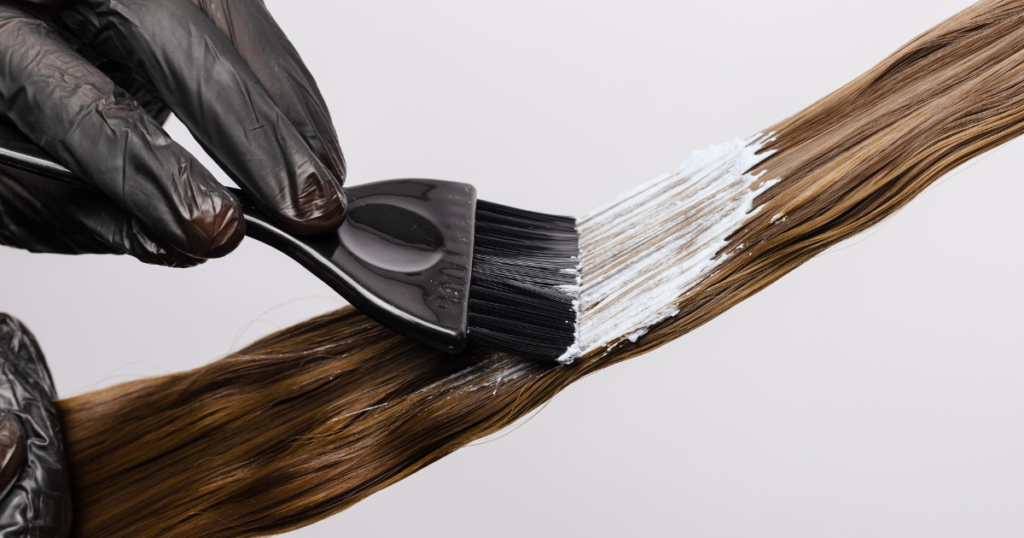
Put on your gloves. Apply the paste section by section, starting from the roots and working toward the ends. Use a generous amount. Thin application leads to patchy results.
Once all your hair is coated, pile it on top of your head and cover with plastic wrap or a shower cap. Wrap a warm towel around your head if you can. Heat helps the color set more deeply.
Leave the paste on for a minimum of two hours. For a deeper color, three to four hours is better. Do not exceed five hours.
Rinse thoroughly with warm water. This takes time because the paste is thick. Rinse until the water runs clear. You can use a small amount of conditioner to help with removal, but avoid shampoo for at least twenty-four hours after rinsing. The color continues to develop and deepen for the first two days.
What You Can Expect
On naturally dark brown hair, some people may notice a reddish-burgundy sheen, particularly in sunlight or warm indoor lighting, though how visible this appears can vary. The root area tends to absorb color most visibly. On lighter hair, there may be a shift toward copper-red tones with some burgundy, though the exact shade will depend on your hair’s porosity and current color.
For some people, color may appear to deepen within the first forty-eight hours, though this can differ depending on hair type and the ingredients used. After that, it will gradually fade over the course of two to four weeks, depending on how often you wash your hair and what products you use.
Repeat application every three to four weeks is what builds intensity over time. The first application is always the lightest. With repeated applications, some people find that color may gradually appear richer and more consistent over time.
Things to Be Careful About
Do a patch test on a small section of hair before applying all over, especially if you have chemically treated, bleached, or permed hair. Henna can sometimes interact unpredictably with chemical processes.
Beet root powder stains skin easily. Apply a thin layer of oil around your hairline, ears, and neck before starting. Still wear gloves throughout.
Pure henna should be used. Avoid any product labeled “black henna” or “neutral henna” as these may contain chemical additives.
If your scalp feels irritated during application, rinse immediately. Henna is generally well-tolerated, but sensitivities do exist.
Avoid getting the paste in your eyes.
How Long Does the Dark Red Shade Actually Last
This is where I want to be completely honest. The color is semi-permanent at best. Because beet root and hibiscus are surface-depositing pigments, they fade faster than henna alone. Henna’s bond to keratin means the red base can last several weeks, but the dark burgundy quality softens and fades noticeably within ten to fourteen days, sometimes sooner with frequent washing.
Factors that may help extend staying power include washing hair less frequently, using cool water, avoiding sulfate shampoos, and trying a weekly beet root and conditioner gloss between full applications, though how much these help can vary.
Final Takeaway
What I remember most from this process is not just the color. It is the slow, deliberate care of it. Mixing the paste the night before. Wrapping my hair and waiting. Rinsing in the dark red water. There is something genuinely grounding about that kind of attention.
The result was never the salon-perfect dark red I had once imagined I needed. It was softer, warmer, more like a memory of red than a statement. And over time, as I kept applying it, it became something that felt truly mine.
Try This Today
If you have henna powder at home and want to test the shade before committing to a full application, mix one tablespoon of henna with enough hibiscus tea to form a paste, apply it to a small section of hair near the nape of your neck, and leave it for two hours. Rinse and wait two days. That small test may give you a better sense of how your hair could respond to this color than any written description can.
Frequently asked questions
Can I use beet root juice instead of powder?
Yes, fresh beet root juice works, though it is less concentrated than powder. You can replace the hibiscus tea with beet root juice for an even deeper reddish tint, but expect slightly less staying power and more mess during application.
How do I make the color last longer?
Wash hair less frequently, use cool water when you do wash, and switch to a sulfate-free shampoo. A weekly beet root and conditioner gloss treatment can also top up the burgundy tone between full applications.
Why does my hair look more orange than red after rinsing?
Fresh henna may appear more orange immediately after application. For many people, the color can shift toward deeper red or brown tones over the first forty-eight hours as it oxidizes, though this is not guaranteed for every hair type.
Is it safe to use this method every few weeks?
For most people, yes. Henna and beet root are generally considered gentle ingredients, and many people use them regularly without noticeable issues, though sensitivities can still occur, so a patch test is always a good idea.

- How to Dye Your Hair Purple at Home (and Actually Keep the Color) - June 22, 2026
- Cool Hair Dye Ideas for Short Hair That Actually Look Stunning - June 11, 2026
- Cool Hair Dye Ideas That Actually Suit Real Life and Real Hair - June 9, 2026