Key Takeaways
- Henna-based red is the longest lasting of all natural options, often holding colour for 4 to 6 weeks on porous hair.
- Beetroot and hibiscus rinses are gentler and more temporary, typically fading within 1 to 3 weeks, depending on how often you wash.
- Hair porosity is the single biggest factor in determining how deeply and how long any natural dye will settle in.
- Aftercare matters more than the dye itself; cold rinses, sulphate-free shampoo, and infrequent washing all extend colour life noticeably.
- Fading is gradual with natural dyes, shifting through warm copper and peachy tones rather than suddenly disappearing.
I remember the first time I crushed beetroot into a bowl, half convinced it would stain my fingers more than my hair. It did, a little. But the colour that appeared the next morning was this warm, glowing blush-red that I genuinely fell in love with. The question I kept asking myself then, and the one I hear most often now, is simply: how long will this actually last?
The honest answer is that it depends on several things working together. The ingredient you choose, your hair’s texture, how often you rinse it, and how you look after it in the days that follow all play a real part. In this article, I want to walk through each of those things honestly, because I think understanding how natural dye behaves is what makes the whole experience less frustrating and more rewarding.
What Actually Affects How Long Natural Red Dye Lasts
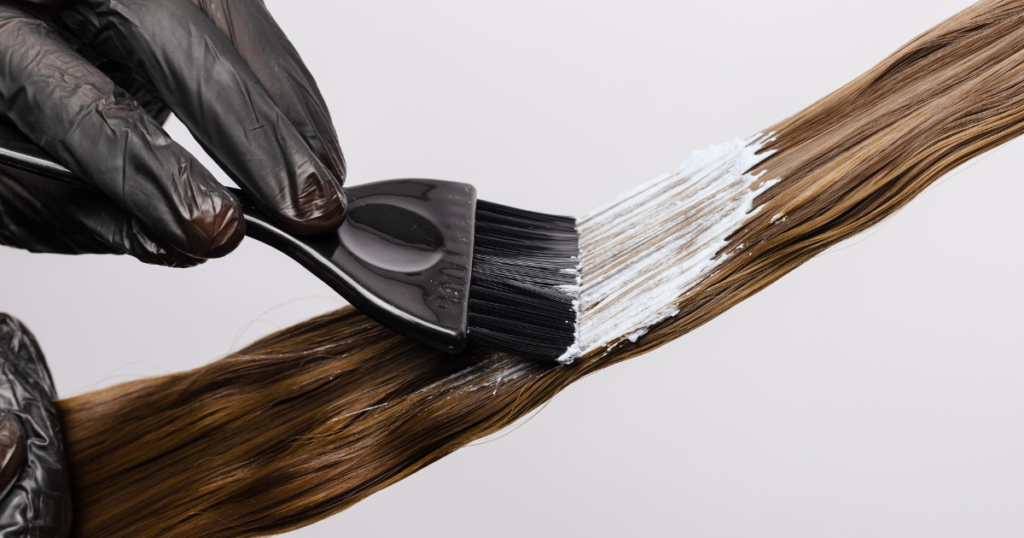
Before anything else, it helps to understand what makes natural dyes hold or fade. Unlike synthetic dyes, which force colour molecules into the hair shaft using chemicals, natural dyes work by coating the outer layer or, in the case of henna, by binding to the keratin protein in your hair. This is why results vary so much from person to person.
Hair porosity is probably the most important factor. High-porosity hair, which is hair that has raised or damaged cuticles, absorbs colour quickly and deeply, but also releases it faster when wet. Low-porosity hair can be resistant to uptake at first, but once colour is in, it often holds longer. Medium-porosity hair tends to give the most balanced and predictable results with natural dyes.
Washing frequency matters enormously. Every wash strips some of the surface colour, especially if you are using a shampoo with sulphates. Hair that is washed daily will lose natural red tones much faster than hair washed twice a week. Water temperature also plays a role; hot water opens the hair cuticle and accelerates colour loss, while cold water seals it in.
The ingredient itself sets the ceiling for longevity. Some natural sources, like henna, contain compounds that form a semi-permanent bond with hair. Others, like beetroot or rose hip, are more like stains that rest on the surface and wash away relatively quickly. Lawsone molecules in henna have a strong affinity for keratin protein, which may explain why henna bonds more deeply with hair.
How Does the Red Colour Change as It Fades
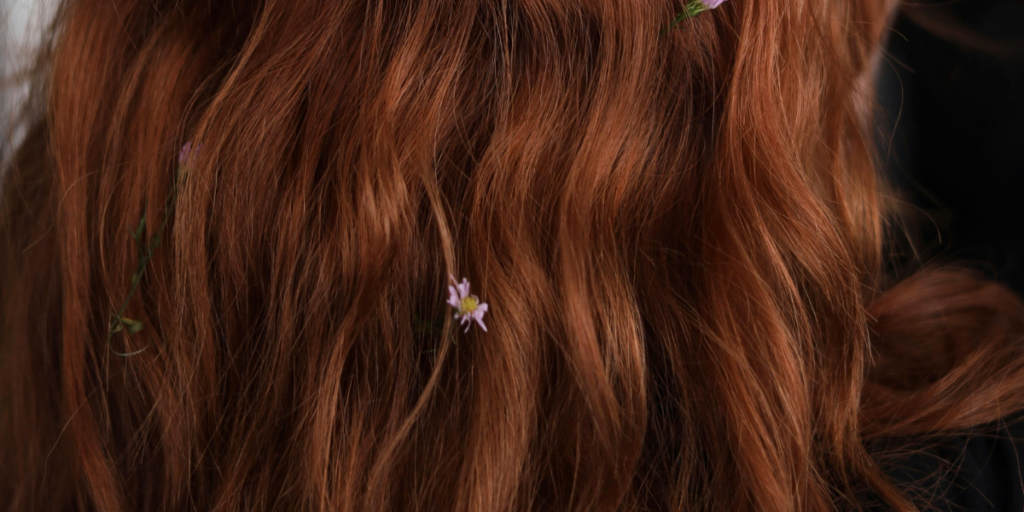
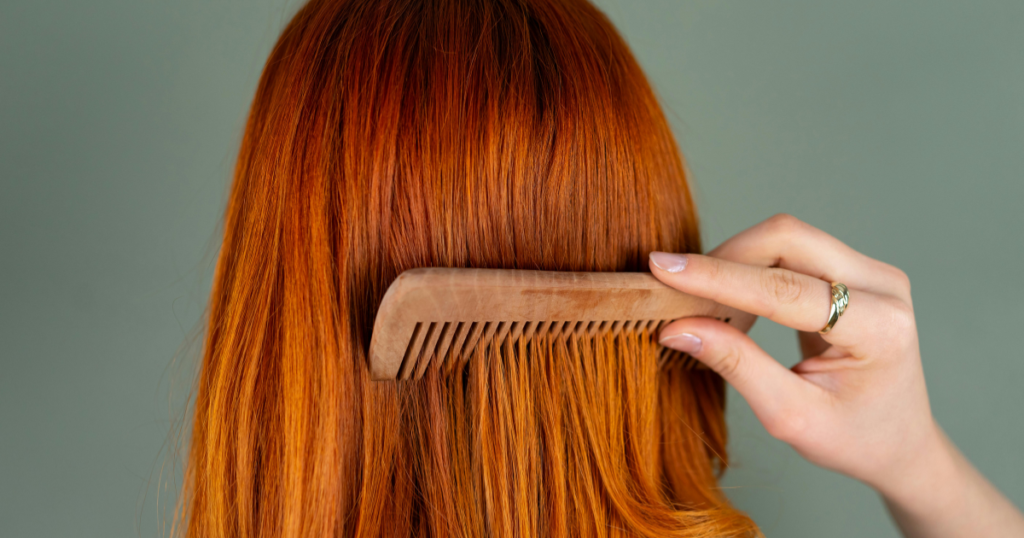
One of the most beautiful things about natural red dye is the way it fades. It does not go dull or brassy in the way chemical dyes sometimes can. Instead, it tends to move through a warm spectrum.
Week 1
Deep, vivid red or burgundy tone
Week 2
Warm copper-red, still clearly visible
Week 3
Soft rose or tawny blush
Week 4
Peachy warmth, subtle but present
Week 5+
Near-original shade; ready to refresh
There is no harsh line between dyed and undyed roots, and the colour at every stage of fading tends to be flattering in its own way.
What Can You Do to Make Natural Red Last Longer Between Applications
Once you have applied your chosen natural red, several habits can genuinely stretch how long the colour stays vivid.
Washing less frequently is the simplest and most impactful change. If you currently wash daily, try reducing to every 2 to 3 days. Each wash removes a thin layer of surface pigment, so fewer washes means slower fading. Dry shampoo at the roots can help on non-wash days.
Always rinse with the coolest water you can comfortably tolerate. Cold water helps the hair cuticle lie flat, which traps pigment inside for longer. It also adds shine, which makes colour appear more vivid even as it fades.
Switching to a sulphate-free, colour-safe shampoo makes a real difference. Sulphates are strong surfactants that strip colour along with oil and dirt. A gentler formula preserves the colour considerably better.
Applying a light coat of coconut or argan oil to your hair after washing can act as a mild sealant over the cuticle, helping retain moisture and colour. It also reduces the dull, faded look that can happen when hair is dry.
Finally, weekly or bi-weekly hibiscus rinses between main applications can refresh the red tone gently without the commitment of a full henna session. Think of them as colour maintenance rather than a full treatment.
Final Thoughts
There is something quietly satisfying about colouring your hair with something you made yourself from real ingredients. The colour does not shout; it glows. And the fading is not a failure; it is just the nature of something natural.
If I have learned anything from years of experimenting with natural dye, it is that consistency matters more than intensity. A weekly hibiscus rinse and cool-water washes will keep natural red vibrant far longer than a single heavy application followed by hot showers and daily shampooing. The colour rewards patience and gentleness, which feels right for something made from flowers and roots.
Whatever you choose, give it time, and give your hair the quiet care it deserves.
Try this today
After your next wash, pour a cup of cooled hibiscus tea over your hair as a final rinse and let it air dry without towel rubbing. Even one session can add a gentle, warm flush of red that makes your natural colour feel more alive.
Frequently asked questions
Does natural red dye work the same on dark hair as it does on light hair?
Not quite. On lighter or medium-brown hair, natural reds tend to show as clear, vivid colour changes. On dark hair, results are more subtle: a warm, red sheen or richness visible in sunlight rather than a bold shift. Henna is the most likely to show noticeably on dark hair; hibiscus and beetroot will produce more of a glowing warmth.
How often should I reapply natural red dye to keep the colour looking fresh?
For henna, once every 4 to 6 weeks is usually enough. For lighter rinses like hibiscus or beetroot, weekly or bi-weekly application helps maintain visible tone. You can also alternate:A good rhythm is a full henna session once a month, with hibiscus rinses in between to refresh the warmth.
Will natural red dye stain my scalp or skin permanently?
Henna can temporarily stain the scalp and skin around the hairline, but this fades on its own within a few days. Beetroot and hibiscus stain skin temporarily as well. Applying a thin layer of coconut oil or petroleum jelly along your hairline before application may help prevent skin staining.
Is there a way to make beetroot or hibiscus dye last longer without using henna?
Mixing the dye with a carrier like coconut oil or conditioner instead of plain water can help it adhere longer. Leaving it on for a longer time, around 2 hours rather than 30 minutes, may deepen the initial deposit. Applying to clean, product-free hair also helps the pigment settle in more evenly.

- How to Dye Your Hair Purple at Home (and Actually Keep the Color) - June 22, 2026
- Cool Hair Dye Ideas for Short Hair That Actually Look Stunning - June 11, 2026
- Cool Hair Dye Ideas That Actually Suit Real Life and Real Hair - June 9, 2026