Key Takeaways
- Choosing the right shade of purple for your base color makes the single biggest difference before you even open a box.
- How you wash your hair after dyeing matters just as much as the dyeing process itself.
- Cold water, sulfate-free shampoo, and reduced wash frequency may help color stay vibrant noticeably longer.
- Purple fades faster than most shades, so building a simple maintenance routine from day one can support lasting results.
- A strand test before the full application can save your hair from surprises that are very difficult to reverse.
I remember the first time I decided to go purple. I had done a lot of reading and watched numerous videos, and I felt ready. What surprised me was how quickly the color can sometimes fade. By week two, the bold eggplant I had imagined was already softening into something vague and muddy. I had skipped steps. I had used the wrong shampoo. I had washed my hair in hot water every single morning because that is just what I always did.
It took a few rounds of trial and quiet frustration before I understood that dyeing your hair purple at home is genuinely achievable, but keeping that purple alive takes a different kind of attention. This is the guide I wish I had found the first time. Not the kind that tells you purple hair is trendy or lists products to buy, but the kind that walks you through the full reality of it, from choosing a shade that will actually work on your hair to the daily habits that may help the color last far longer than it otherwise would.
Which Shade of Purple Actually Works for Your Hair Color?
Not every purple shows up equally on every head of hair. This is the part that catches most people off guard. The shade you see on packaging is almost always photographed on pre-lightened or very light hair, and your results on darker hair will look quite different.
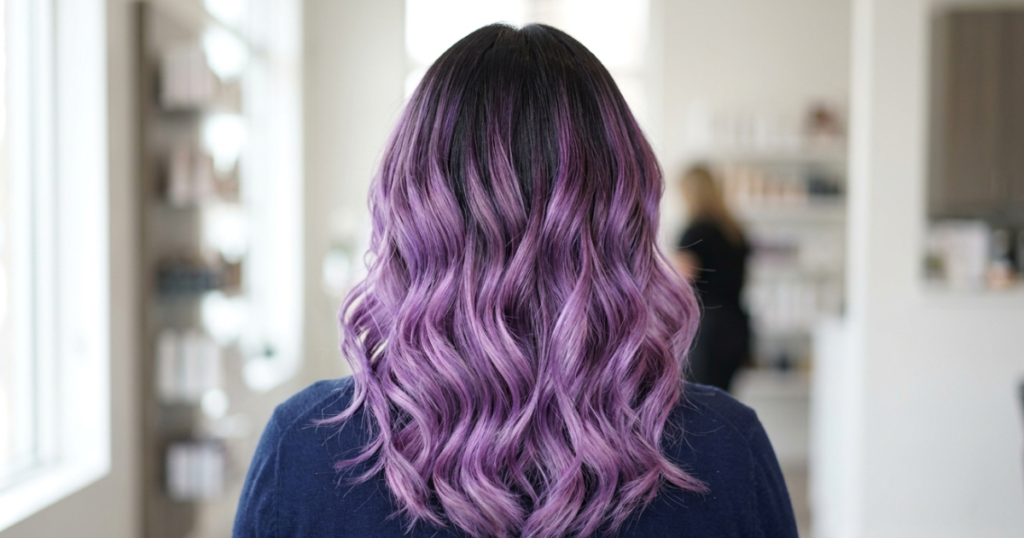
If your natural or current hair color is black or very dark brown, deep jewel-toned purples like violet, eggplant, or plum may give you the most visible result, but even then, the color might only show clearly in sunlight without some lightening first. Shades like lavender or lilac will be nearly invisible on very dark hair without bleaching.
If your hair is medium brown, you have a little more flexibility. A deep berry or dark violet may come through with a semi-permanent dye that deposits color, especially if your hair is on the more porous side. Lighter purples will still need at least some pre-lightening.
If your hair is already light blonde or has been bleached to a pale yellow, almost every shade of purple will show beautifully. You have the most creative freedom at this level, and soft pastels like lilac or periwinkle can genuinely look like what is on the box.
The honest starting point is this: know your base color before you fall in love with a particular shade of purple. The lighter your base, the truer and more vibrant the result can be.
How to Apply Purple Dye at Home Step by Step
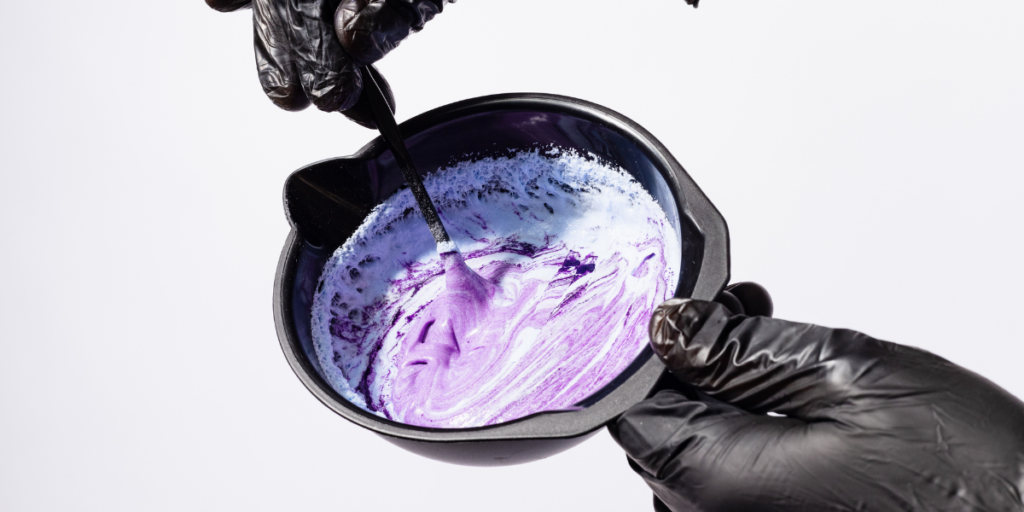
Whether you are working on pre-bleached hair or applying a deeper purple to medium-toned hair, the application process matters as much as the dye itself.
Start with dry, unwashed hair. Applying dye to clean but dry hair helps the pigment penetrate more evenly. Shampooing right before can sometimes strip the hair of natural oils that help protect the scalp during the dyeing process.
Section your hair into four quadrants, two in the front and two in the back, secured with clips. Working in sections lets you apply the dye more methodically and evenly, rather than pushing it through loosely and missing patches.
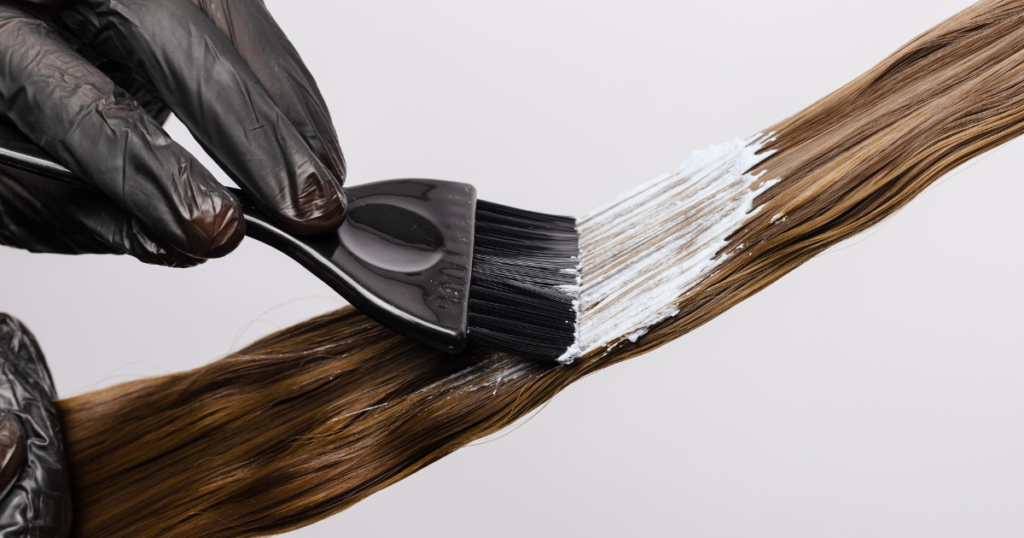
Apply the dye generously from root to tip within each section, using a brush if possible for more control than your hands alone. Saturate each subsection thoroughly. One of the most common causes of patchy color is under-applying the dye and assuming a thin coat will be enough. It usually is not.
Once your hair is fully saturated, pile it loosely on top of your head and cover it with a shower cap or plastic wrap. This holds in warmth and helps the color develop more evenly. Follow the timing guidance on the specific dye you are using, since different formulas vary.
Rinse in cool to cold water (more on why this matters shortly) until the water runs mostly clear. Avoid shampoo at the rinse stage. Follow with the conditioner included in the kit or a separate moisturizing conditioner, and rinse that out in cool water too.
How to Wash Your Hair to Keep Purple Color Longer
Washing is where most of the color is lost, and small changes to how you do it can make a real difference in how long your purple stays vibrant.
First, reduce how often you wash. Every wash strips some pigment, regardless of what shampoo you use. If you are used to washing daily, moving to every second or third day can meaningfully slow down how quickly the color fades. Dry shampoo applied to the roots on non-wash days can help manage oiliness without pulling water through your lengths.
Second, always rinse and wash in cool or cold water. Hot water expands and lifts the hair cuticle, allowing pigment to escape. Cold water keeps the cuticle more closed, which may help the color stay locked in longer. The shift can feel uncomfortable at first, especially in cooler months, but even finishing your wash with a cold rinse at the end can be a reasonable compromise.
Third, use a shampoo that does not contain sulfates. Sulfates are surfactants that create a rich lather, but they are quite effective at stripping color along with oils and buildup. Sulfate-free shampoos are gentler on the hair’s surface and may help preserve the dye for longer between washes.
Purple-depositing shampoos or conditioners are another option worth considering. These products contain small amounts of purple pigment that deposit a little color back into the hair with each use, helping to refresh the tone gradually rather than just slowing the fade.
How to Protect Purple Hair from Heat Damage and Fading
Heat is one of the most direct causes of rapid color fading, and this is true for all hair colors but especially for purple.
Every time a heat tool, whether a blow dryer, flat iron, or curling wand, is used on color-treated hair without protection, the high temperature causes the hair cuticle to open. The same mechanism that hot water triggers happens here too, allowing color molecules to escape and the hair to dry out further over time.
Using a heat protectant before any heat styling may help reduce how much the cuticle is forced open during the process. Apply it to damp hair before blow-drying, or to dry hair before using a flat iron or wand. It does not make heat completely harmless, but it can act as a buffer.
Lowering the temperature setting on your tools is another change that can add up over time.
Many heat tools default to temperatures that are higher than most hair actually needs, especially for finer hair. Working with a lower heat setting may take a little longer, but the cumulative difference in color preservation and hair health can be noticeable.
Air drying as often as possible, even partially, also reduces the total amount of heat exposure your purple hair experiences in a week.
What Is a Good Aftercare Routine for Purple Dyed Hair?
A consistent aftercare routine is what separates purple hair that looks vibrant for four to six weeks from purple hair that looks tired after two.
Deep conditioning once a week can help maintain the softness and moisture that color-treated hair tends to lose over time. Look for masks or treatments that are formulated for color-treated hair, as these are generally designed to be gentle on dye while providing moisture.
Sealing the hair cuticle after washing is a habit that can support color longevity. A small amount of light oil applied to the lengths of damp hair after conditioning and before drying can help smooth the cuticle down and create a gentle barrier. This is not about coating the hair heavily but rather adding a finishing layer that helps hold moisture and color in.
Sun exposure is another factor that can dull purple hair relatively quickly. The UV rays in sunlight break down hair pigment over time, much the same way they fade colored fabrics.
Wearing a hat or scarf when spending extended time outdoors is a simple habit that may help your color stay true for longer between touch-ups. There are also leave-in sprays with UV protection designed for color-treated hair, which can be a practical option on days when a hat is not ideal.
Sleeping on a silk or satin pillowcase is a smaller consideration, but it reduces the friction your hair experiences overnight, which can cause both mechanical damage to the hair shaft and gradual color dulling over time.
Final Takeaway
Going purple at home is one of those decisions that teaches you something real about your hair, about patience, and about paying attention to the small things. I learned more about how my hair actually behaves from one round of purple than from years of sticking with safer, easier colors.
The color will fade. That is just the truth of purple hair. But the way it fades, and how much life you can get out of it before that happens, is genuinely something you have some control over. The washing habits, the water temperature, the heat choices, and the quiet weekly ritual of a deep conditioning mask. None of it is dramatic. All of it adds up.
If you approach this with a little curiosity rather than a fixed expectation, you may find that even the fading has a certain charm to it. That soft lilac that appears for a few weeks can be just as beautiful as the deep violet you started with.
Try This Today
Tonight, try finishing your hair wash with a thirty-second cold water rinse on your lengths only. It does not have to be the whole wash, just that final rinse. It is a small, low-effort place to start, and it may help ease the color fade from your very next wash.
Frequently Asked Questions
How long does purple hair dye usually last before it starts to fade?
Purple dye tends to begin showing visible fading around the two to four week mark for most people, though this can vary based on hair porosity, how often the hair is washed, and the specific dye used. Deeper, more saturated purples on bleached hair may hold their initial tone for slightly longer than lighter or pastel purples. With careful washing habits and a consistent aftercare routine, some people find the color stays wearable and pleasant for six weeks or more before a full refresh is needed.
Why is my purple hair turning blue or green as it fades?
This depends on the specific purple formula used and your underlying hair tone. Some purples have stronger blue undertones, which may become more prominent as the warmer red or magenta pigments fade out first. If your bleached base had yellow or orange tones and the purple was not fully saturated, you may also notice a shift toward muddy or greenish tones as the layers of color interact differently. Using a purple-depositing conditioner regularly can help refresh the warm violet tone before it has a chance to shift significantly.
Does water temperature really make a difference for color longevity?
It may, and the reasoning is straightforward. Hot water causes the hair cuticle to lift and open, and when the cuticle is open, color molecules can escape more easily during rinsing. Cooler water keeps the cuticle more closed, which can slow this process. Switching fully to cold water washes is not comfortable for everyone, but rinsing with cool water for the final rinse, after shampooing and conditioning, can be a practical middle ground that still offers some benefit.
How often should I use a purple-toning or color-depositing shampoo?
This depends on how quickly your specific color fades and how saturated you want to keep it. For some people, using a color-depositing purple shampoo once or twice a week is enough to maintain the tone between dye sessions. For others who experience faster fading, using it at every wash may be preferable. It is worth starting with once a week and observing how your color responds before deciding whether to increase or decrease frequency.
- How to Dye Your Hair Purple at Home (and Actually Keep the Color) - June 22, 2026
- Cool Hair Dye Ideas for Short Hair That Actually Look Stunning - June 11, 2026
- Cool Hair Dye Ideas That Actually Suit Real Life and Real Hair - June 9, 2026