Key Takeaways
- A copper red shade comes from layering warm-toned plants, not from a single ingredient.
- The exact ratio of henna to annatto seeds shapes whether the result leans red, copper, or rust.
- Soaking, dye release, and resting times matter as much as the recipe itself.
- A small amount of amla deepens the tone without dulling the copper warmth.
- Patch testing on a hidden strand always saves regret later.
When I first thought about mixing my own copper red hair dye at home, I felt nervous about whether I could come close to that warm, sunlit shade I had pictured for weeks. I had read enough to know that henna alone leans more toward a deep auburn or burgundy, and I wanted something brighter, closer to a true copper with a red glow underneath.
After a few quiet kitchen experiments, I landed on one method that finally gave me the shade I had been chasing, and I want to walk you through it the same way I would explain it to a friend sitting beside me. This is not about a generic henna mix. It is specifically about coaxing a copper red tone using henna paired with annatto seeds, rosehip, beetroot, hibiscus, and a careful pinch of amla. Every ingredient here has a job, and the order matters.
What Makes Copper Red Different From Plain Henna Red
Plain henna usually settles into a cool red or deep wine shade once it oxidises on hair. Copper red sits in a warmer, brighter family, with orange undertones that catch the light.
To pull the colour in that direction, the recipe leans on annatto seeds for the orange-copper pigment, rosehip for a soft, warm tint, beetroot for a deeper red layer, hibiscus for shine and a subtle pink-red lift, and just a small spoon of amla to round the tone without darkening it too much.
The henna remains the base because it is the only ingredient that truly binds colour to the hair shaft in a lasting way.
How Do You Make Natural Copper Red Hair Dye at Home With Henna and Annatto Seeds
What You Need
- 100 grams of body-art-quality henna powder, finely sifted
- 3 tablespoons of whole annatto seeds
- 2 tablespoons of dried rosehip, lightly crushed
- 1 small fresh beetroot, peeled and chopped, or 3 tablespoons of pure beetroot powder
- 2 tablespoons of dried hibiscus petals
- 1 teaspoon of amla powder, no more
- The juice of one small lemon, freshly squeezed
- About 350 to 400 millilitres of filtered water
- A glass or ceramic bowl, never metal
- A wooden or plastic spoon
- A fine strainer or muslin cloth
- An old t-shirt, gloves, and a wide-tooth comb
Why This Can Work
Henna binds to the hair and lays down a long-lasting red base. Annatto seeds release a warm orange-copper pigment when simmered, and that pigment layers over henna to push the tone toward copper instead of cool red.
Rosehip and hibiscus add a soft, warm shine, beetroot lends a fresher red depth, and amla, used sparingly, helps the colour settle evenly without flattening the warmth. Together, they may help you reach a shade that feels closer to true copper red than henna could give on its own.
Preparation
Start the night before you plan to colour. In a small saucepan, simmer the annatto seeds in about 250 millilitres of water on low heat for 25 to 30 minutes, until the water turns a deep orange-red. Keep the lid slightly tilted so the liquid reduces gently. In the last 10 minutes, add the dried rosehip and hibiscus petals so they steep together.
Turn off the heat and let the whole mixture cool and rest, covered, overnight or for at least 8 hours. This long steep is where most of the copper warmth actually develops.
While that rests, separately blend the chopped beetroot with about 100 millilitres of water until smooth, then strain it through muslin cloth and keep the clear beet juice aside. If you are using beetroot powder instead, simply mix it with 100 millilitres of warm water and set aside.
In the morning, strain the annatto-rosehip-hibiscus liquid through a fine strainer, pressing the seeds and petals gently to release every drop. You should be left with a deep copper-orange liquid.
In your glass bowl, add the henna powder and the amla powder. Pour in the strained annatto liquid little by little, stirring slowly. Then add the beetroot juice. Squeeze in the lemon juice last. Mix patiently until you get a smooth paste that has the consistency of thick yogurt. If it feels too dry, add filtered water a spoon at a time. If it feels too runny, add a little more henna.
Cover the bowl with cling film, pressing the film directly onto the surface of the paste so air does not reach it. Let it rest in a warm spot for 6 to 8 hours, or until you see a darker layer forming on the top, which is the sign that the henna has released its dye.
Exact Procedure
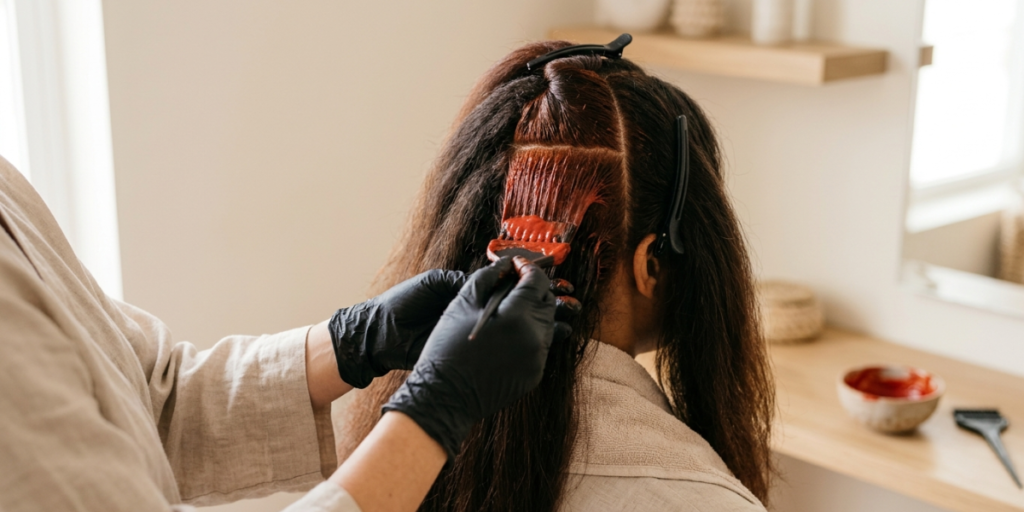
Begin with clean, dry hair that has no conditioner or oil residue from that morning. Wash with a gentle shampoo the night before and skip any leave-in product.
Section your hair into four parts, two in front and two at the back, and clip them up. Wear gloves and place an old towel around your shoulders.
Take one small section at a time, starting from the back. Apply the paste generously from root to tip, working it in like you are applying thick clay. Make sure each strand is fully coated, since patchy application gives patchy colour.
Once your whole head is covered, gather the hair on top of your head and wrap it in cling film, then cover it with an old scarf or cotton cloth to keep the warmth in. Body heat helps the dye release deeper into the hair.
Leave the paste on for 3 to 4 hours if your hair is light or fine, and up to 5 hours if your hair is dark, coarse, or resistant to colour. A longer time leans the result toward a richer copper red.
Rinse with plain lukewarm water first, using only your fingers to lift the paste out.
Avoid shampoo for the first wash. Once the water runs mostly clear, you can apply a light conditioner if your hair feels stiff. Skip shampoo for the next 48 hours so the colour can settle and oxidise into its final copper red tone.
What You Can Expect
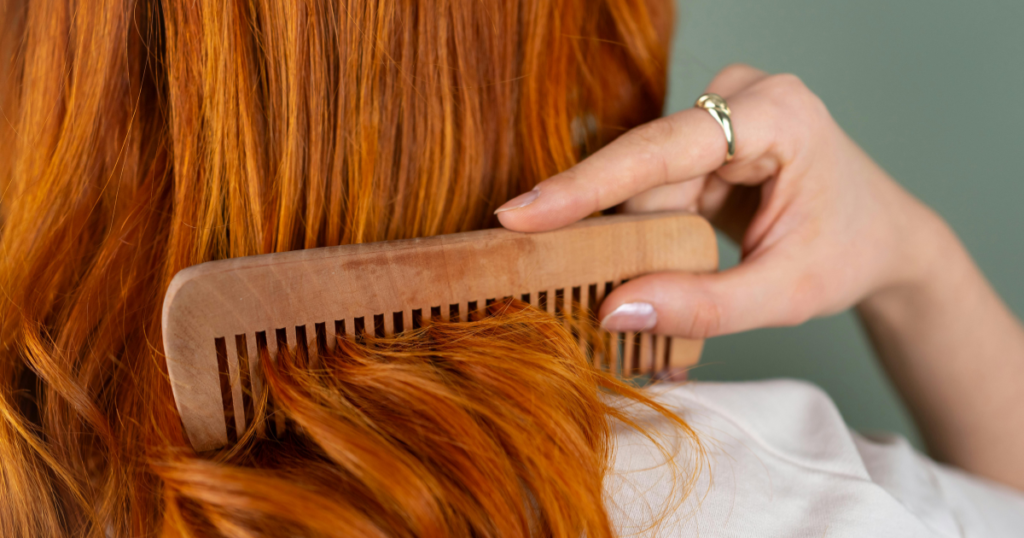
Right after rinsing, the colour often looks bright orange or carrot-toned, and that can feel alarming. Over the next 48 to 72 hours, the shade deepens and settles into a warmer copper red as it oxidises. The final tone depends on your starting hair colour.
On light brown or dark blonde hair, you may see a vivid copper red. On medium brown hair, expect a softer copper glow that catches sunlight. On very dark hair, the result is more of a red sheen visible in light rather than a full colour change. Results can vary widely from person to person, and no specific outcome is guaranteed.
The colour can last several weeks before fading gently, and repeating the same recipe every four to six weeks may help build richer copper depth over time.
Things to Be Careful About
Always do a strand test on a hidden section of hair before applying the full mixture, so you can see how your hair responds to this specific blend.
Do a small skin patch test behind your ear at least 24 hours before, and wait to see if any redness or itching appears. Skip this recipe if you have recently used chemical dyes, bleach, or relaxers, since the result can turn unpredictable.
Keep the paste away from your eyes and rinse immediately if it gets in. Use only glass, ceramic, or plastic bowls, since metal can react with the plant ingredients. If you are pregnant, breastfeeding, or have a sensitive scalp, it may help to speak with someone you trust before trying any home recipe.
Final Takeaway
After rinsing out a freshly made batch of this copper red mix, wait for a few minutes and let the colour settle.
By the next morning, the bright orange can cool into a softer copper glow in the sunlight, and many people find that this slow change brings a quiet sense of pride that has nothing to do with vanity.
There is a simple joy in making something by hand, in your own kitchen, from leaves and seeds and petals. That feeling is worth holding on to, perhaps even more than the recipe itself, the slow pleasure of choosing a colour from the earth instead of a bottle.
Try This Today
Soak just one tablespoon of annatto seeds in half a cup of water overnight and watch how deeply orange the water turns by morning. That small soak can often give you a fair idea of whether your seeds are fresh enough for the full recipe.
Frequently Asked Questions
Can I skip the annatto seeds and still get a copper red shade?
Annatto is the ingredient doing most of the copper work in this recipe. Without it, the result tends to settle into a cooler red or deep auburn rather than copper. If annatto is hard to find, the warmth in this exact recipe will be hard to replicate.
How long should the henna paste rest before I apply it?
Around 6 to 8 hours of rest, in a warm covered bowl, usually allows enough dye release. You can tell it is ready when the top of the paste turns a darker shade than the rest.
Will this copper red dye work on grey hair?
Grey hair often takes henna-based colour very intensely and can show the copper tone more brightly than the rest of the hair. A strand test is especially important here, so you can see the contrast before committing to the full application.
How often can I repeat this for a deeper copper red colour?
Every four to six weeks is a gentle rhythm. Doing it more often than that can leave the hair feeling coated, since henna builds up over time.

- How to Dye Your Hair Purple at Home (and Actually Keep the Color) - June 22, 2026
- Cool Hair Dye Ideas for Short Hair That Actually Look Stunning - June 11, 2026
- Cool Hair Dye Ideas That Actually Suit Real Life and Real Hair - June 9, 2026