Key Takeaways
- Red dye is one of the most stubborn colors to fade because its molecules are small and penetrate deep into the hair shaft.
- Home-based methods like apple cider vinegar rinses and honey-based treatments may gradually lift color without the harsh effects of bleach.
- No home method can guarantee full removal; results depend on your hair type, dye brand, and how long the color has been set.
- Patience and repeated gentle sessions tend to work better than aggressive single treatments.
- Always do a strand test before applying anything to your full head of hair.
I remember the exact moment I realized the red I had chosen was far more permanent than the box promised. Weeks passed, I washed my hair every day, and that copper-red warmth barely budged. I started researching, asking around, and quietly experimenting with things I already had. What I found was not a miracle cure, but a gentler, slower path that actually moved the color in the right direction. If you are in a similar place right now, I want to share what I have learned about how to get red hair dye out of hair using home-based ingredients, so you can make informed choices that feel right for your hair and your schedule.
Why is red dye so hard to remove from hair
Red dye molecules are among the smallest in the color spectrum, which means they travel far into the hair cortex when applied. Once they are inside, they do not lift as easily as darker or cooler tones. This is why even color removers designed for other shades sometimes leave behind a stubborn orange or pink cast when used on red-dyed hair.
Home-based methods work differently from commercial bleaches or color strippers. Rather than aggressively opening the hair cuticle and pulling pigment out, many kitchen-ingredient approaches work by slightly relaxing the cuticle, creating a mildly acidic or oxidizing environment, and coaxing the smaller molecules toward the surface over repeated sessions. The process is slower, but it is considerably gentler on your strands.
Can an apple cider vinegar rinse help pull out red pigment
Apple cider vinegar rinse
What you need
- 3 tablespoons of raw, unfiltered apple cider vinegar
- 1 cup of warm water
- A spray bottle or small jug
Why can this work
Apple cider vinegar is acidic, which means it can help temporarily contract or smooth the cuticle. When used repeatedly, it may assist in loosening pigment that sits near the outer layers of the hair shaft. It also helps remove product buildup that can trap color.
Preparation
Mix the apple cider vinegar with the warm water in a spray bottle or jug. Shake gently to combine.
Exact procedure
After shampooing your hair, pour or spray the diluted vinegar rinse evenly over your entire scalp and hair. Gently massage into the strands for 2 to 3 minutes. Leave on for 5 minutes, then rinse thoroughly with cool water. Do not follow with conditioner immediately; wait until the next day to allow the vinegar’s mildly clarifying effect to settle. Repeat 2 to 3 times per week.
What you can expect
This method works best as a supporting tool alongside the other method below rather than on its own. Used consistently, it may contribute to a gradual overall fading of warmth in the hair. It also tends to add shine, which many people find a welcome side effect.
Things to be careful about
Never apply undiluted apple cider vinegar to your scalp or hair. Avoid contact with the eyes. If you have scalp sensitivity or open sores, skip this method entirely until the scalp heals. The smell fades quickly as the hair dries.
Can honey and olive oil help fade red hair color gradually
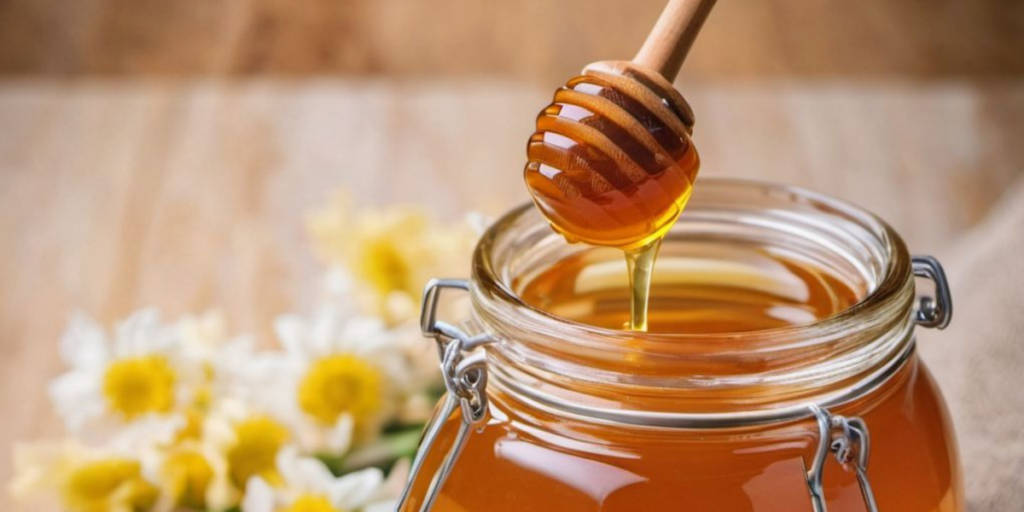
Honey and olive oil deep soak
What you need
- 4 tablespoons of raw honey (not processed or flavored)
- 2 tablespoons of extra virgin olive oil
- 2 tablespoons of warm water
- A shower cap and warm towel
Why can this work
Raw honey contains trace amounts of hydrogen peroxide, produced naturally by the enzyme glucose oxidase. This very low-level peroxide may gently oxidize color pigments over time, potentially contributing to a slight lightening effect. The olive oil helps protect the hair during the treatment and prevents excessive dryness.
Preparation
Mix the honey, olive oil, and warm water in a bowl. Stir until the honey becomes smooth and fluid. The warm water helps activate the enzymatic activity in the honey.
Exact procedure
Apply the mixture generously to damp, freshly washed hair. Work through from roots to ends. Cover with a shower cap and wrap a warm towel around your head. Leave for 2 to 4 hours. Rinse thoroughly with warm water and shampoo gently once to remove residue. Condition lightly. Repeat once a week for at least 4 to 6 weeks for visible results.
What you can expect
This is a slow, conditioning method. It may gradually warm or lighten your tone over several sessions without drying out the hair. The results are subtle and cumulative rather than dramatic. People with naturally lighter or finer hair may notice slightly faster results.
Things to be careful about
If you have a known allergy to bee products, skip this method entirely. Rinse very thoroughly to avoid sticky residue, which can attract dust and affect scalp health if left behind. Do not apply to a dry or irritated scalp.
Honey has long been used in scalp and hair care, and clinical evidence, such as the Therapeutic and prophylactic effects of crude honey on chronic seborrheic dermatitis and dandruff, shows that its antibacterial, antifungal, and antioxidant properties can improve scalp health, reduce scaling and itching, and indirectly support healthier hair, which may contribute to a more balanced and gradually refined hair appearance over time.
Is there anything else that can support the process
Between sessions, washing your hair with warm (not hot) water can help open the cuticle slightly and allow a little more pigment to escape with each wash. Letting your hair air-dry rather than using heat helps preserve the structural integrity of the shaft so it can withstand repeated clarifying sessions.
Using a clarifying shampoo once a week as a regular wash, separate from either of the above methods, can also keep buildup from locking color deeper into the cuticle. And keeping the hair well-conditioned between treatments helps maintain enough moisture and elasticity to tolerate the gentle stress of these processes without breakage.
In my own experience, alternating between the two methods in rotation rather than repeating the same one every session seemed to work more effectively.
Conclusion
Getting red dye out of your hair at home is not a quick fix, and I think knowing that upfront makes the whole process feel more peaceful. Every session is a small step. Every rinse moves you a little further from where you started. I found that the patience required by home methods actually gave me something unexpected: a closer relationship with my hair and how it responds to care. Whatever combination of approaches you try, be gentle with yourself and with your strands.
Try this today
Mix one tablespoon of apple cider vinegar into a cup of warm water and do a strand test on a hidden section of hair after shampooing. Leave for 5 minutes, rinse, and check the strand the next day. This one small step can tell you a lot about how your hair may respond before you commit to a full-head treatment.
Frequently asked questions
How long does it realistically take to fade red dye with home methods?
Results vary a great deal depending on your hair type, the brand of dye used, and how long the color has been in your hair. In general, you may start noticing a visible shift after 2 to 4 sessions, but significant fading can take anywhere from 4 to 10 weeks of consistent effort.
Will these methods work the same way on permanent versus semi-permanent red dye?
Semi-permanent red dye tends to respond faster to home methods because it sits closer to the outer hair shaft rather than bonding chemically inside the cortex. Permanent dye is more resistant and may require more sessions and more patience to see meaningful change.
Can I use these methods on color-treated or bleached hair?
You can, but with extra care. Previously bleached or chemically processed hair is more porous and can absorb and lose moisture quickly, which means it may respond to clarifying methods faster but also be more prone to dryness and breakage. Always prioritize deep conditioning after every session.
What happens if the red turns orange or brassy as it fades?
This is extremely common with red dye removal. As the red pigment lifts, it often passes through orange and warm copper tones before becoming lighter. This is a normal part of the process. If you want to counteract the brassiness temporarily, a blue or purple toning conditioner used briefly can help neutralize the warm tones while the fade continues.
- How to Dye Your Hair Purple at Home (and Actually Keep the Color) - June 22, 2026
- Cool Hair Dye Ideas for Short Hair That Actually Look Stunning - June 11, 2026
- Cool Hair Dye Ideas That Actually Suit Real Life and Real Hair - June 9, 2026