Key Takeaways
- Henna lays down a strong, orange-red base that acts as a color anchor for all other ingredients.
- Beetroot, cherry juice, and pomegranate peel deepen the red without stripping your hair of moisture.
- Red sandalwood powder shifts the tone warmer, adding richness that single-ingredient dyes rarely achieve.
- Hibiscus softens the overall mix, adding a cool red-pink dimension and gentle conditioning.
- Blending these ingredients creates a layered color that single ingredients alone cannot produce.
- Patch testing before each application is always the safest starting point.
I remember standing in my kitchen the first time I tried to go red without chemicals. I had a bowl of beetroot juice, some dried hibiscus, and a lot of hope. The result was interesting, but not what I wanted. It faded too fast and the color was flat, more pink than red.
What I learned over time, through a lot of trial and experimentation, is that the real secret is layering. No single kitchen ingredient can give you a full, lasting, natural red. But when you combine the right ones like henna, beetroot, red sandalwood, cherry juice, pomegranate peel water, and hibiscus. Something genuinely beautiful happens.
Each ingredient contributes something different. Together, they create a depth of color that feels dimensional, warm, and real. In this article, I will guide you through exactly what each ingredient does, why the combination works, and how I use them to create a natural, homemade red hair dye that actually shows up.
1) How Henna Works as the Foundation of a Natural Red Hair Dye
Henna is the foundation. Without it, most of the other ingredients in this blend struggle to hold color for long. Henna works by binding to the keratin in your hair and depositing a warm orange red pigment that fades gradually over time. It is the only kitchen-accessible ingredient in this list that provides lasting structural color rather than a surface tint.
When I started combining henna with other red-toned ingredients, I noticed that the henna essentially acted as an anchor. The beetroot, cherry, and hibiscus had something to attach to, and the overall color lasted much longer than it did without henna in the mix.
What You Need
- 3 tablespoons of henna powder (natural, unflavored, no additives)
- Warm water or cooled hibiscus tea to mix
- A non-metallic bowl
- Plastic gloves
Why This Can Work
Henna contains a natural pigment called lawsone that bonds directly with hair protein. This is not a surface coat that washes away. It penetrates the outer layer and stays. That is why even without other ingredients, henna alone produces a noticeable orange-to-red shift on hair with lighter tones.
Preparation
Mix the henna powder with warm hibiscus tea, a few tablespoons at a time, stirring until you reach a smooth, yogurt-like consistency. Cover the bowl and allow it to sit for 8 to 12 hours at room temperature before use. This resting time lets the dye release fully.
Exact Procedure
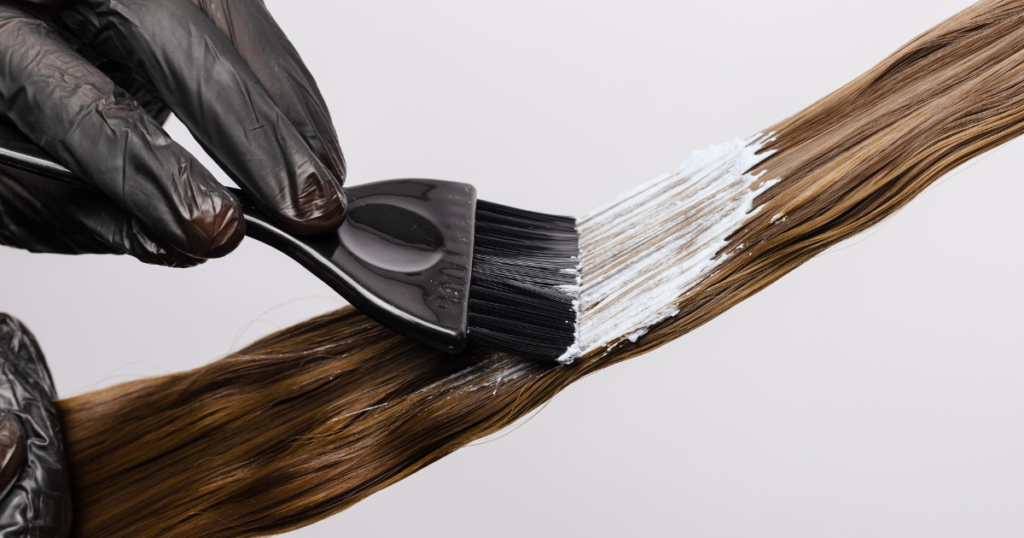
Apply the mixed henna paste to dry, unwashed hair in sections, working from roots to tips. Make sure every strand is fully coated. Cover with a shower cap and leave it on for 2 to 4 hours. Rinse thoroughly with plain water, no shampoo and allow hair to air dry.
What You Can Expect
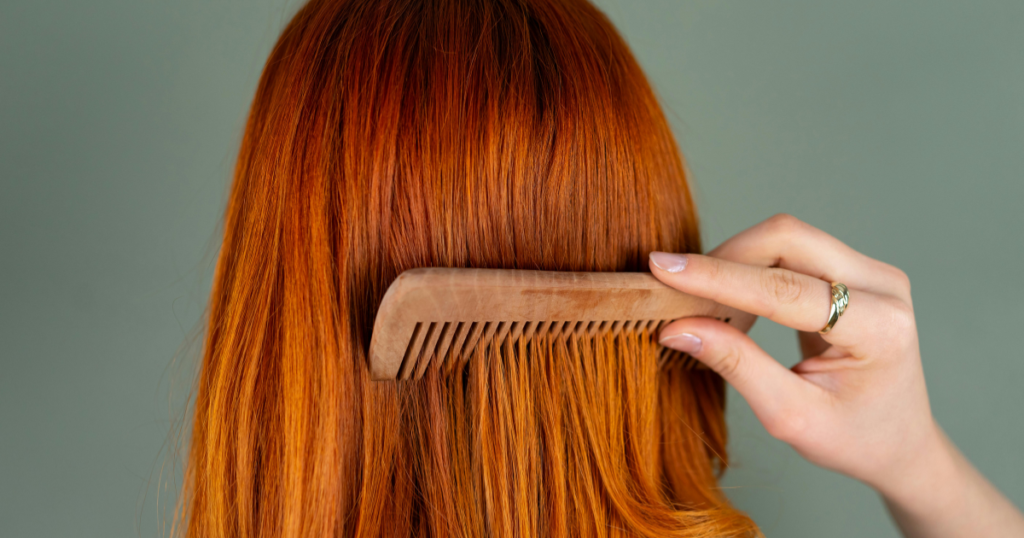
On lighter hair, henna produces a warm copper-red. On darker hair, the result is more of a reddish tint that shows best in sunlight. It takes about 48 hours for the color to settle and deepen after rinsing.
Things to Be Careful About
Henna is permanent. Once it is in your hair, it cannot be easily removed, and it can interfere with chemical dyes later. Always do a strand test first, especially if you have chemically treated hair. Avoid getting it on your skin for too long, as it can temporarily stain.
2) How Does Beetroot Juice Deepen the Red in a Homemade Dye
Beetroot is the ingredient that pulls the color away from orange and pushes it toward a deeper, richer red. It is also deeply conditioning on its own and does not dry out the hair the way some other natural dye methods can.
When I add beetroot to a henna base, the orange-red shifts visibly. It becomes more of a true red, especially after multiple applications. Beetroot alone fades within a few washes, but as part of a layered mix, it contributes meaningfully to the overall tone.
What You Need
- 2 medium beetroots, peeled and roughly chopped
- A juicer or grater and fine cloth for squeezing
- A small saucepan for reducing the juice
Why This Can Work
Beetroot contains betalain pigments, which are naturally deep red-purple. When applied to hair, especially hair with a henna base already present, these pigments temporarily shift the color tone. The more applications you layer over time, the more the red builds.
Preparation
Juice the beetroots fresh. If you want a more concentrated color, simmer the juice in a saucepan on low heat for 15 to 20 minutes until it reduces by about half. Let it cool completely before applying.
Exact Procedure
Apply cooled beetroot juice directly to clean, damp hair. Use a brush or your gloved hands to work it through from root to tip. Cover with a shower cap and leave for 45 minutes to 1 hour. Rinse with cool water and a gentle conditioner.
What You Can Expect
On a henna base, beetroot juice adds a visible red-wine depth to the color. On its own, expect a soft reddish-pink hue that fades within 4 to 6 washes. It is not a permanent result, but it is a meaningful contribution to a blended dye.
Things to Be Careful About
Beetroot stains everything it touches. Wear old clothes, protect your towels, and keep it off your skin. The color on the skin fades within a day or two, but it will temporarily mark light surfaces.
3) What Does Red Sandalwood Powder Bring to a Natural Red Hair Dye
Red sandalwood is the ingredient that surprised me most. It adds a warm, earthy redness that is distinctly different from what beetroot or hibiscus brings. Where beetroot pushes the color cooler and more wine-toned, red sandalwood warms it back up and gives depth to the base.
It also has a slightly thickening quality when mixed into a paste, which makes it easier to apply the full blend evenly through the hair without dripping.
What You Need
- 2 tablespoons of red sandalwood powder
- Warm water or hibiscus tea to mix
- A non-metallic mixing bowl
Why This Can Work
Red sandalwood contains a natural pigment called santalin, which produces a warm reddish-brown color. It does not bind as permanently as henna, but when layered over a henna base, it visibly warms the overall color tone and adds dimension.
Preparation
Mix the red sandalwood powder with warm water or hibiscus tea to form a smooth paste, similar in consistency to thick paint. It should be spreadable but not watery. Let it sit for 20 minutes before combining with other ingredients.
Exact Procedure
Use red sandalwood powder as part of your blended paste. Combine it with henna powder, hibiscus powder, and cooled beetroot juice or cherry juice to create the full mixture. Apply the combined paste to dry hair, section by section, and leave on for 2 to 3 hours before rinsing.
What You Can Expect
Red sandalwood deepens and warms the overall red rather than dramatically shifting it on its own. Think of it as the ingredient that gives the color its warmth and prevents the blend from reading too cool or too orange.
Things to Be Careful About
Red sandalwood powder can temporarily stain the scalp and skin. Keep petroleum jelly along your hairline before applying. Some people find the powder slightly drying on its own, which is why it works best as part of a blended mix rather than a standalone treatment.
4) Can Cherry Juice Add Real Red Color to Homemade Hair Dye
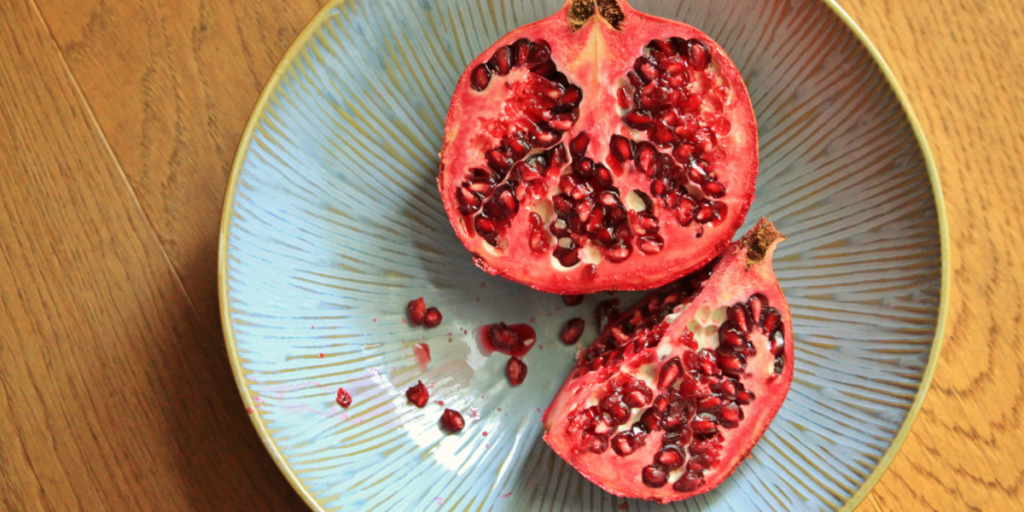
Cherry juice is one of the most underrated ingredients in a natural red dye mix. It is deeply pigmented, moisture-rich, and when used alongside henna, it visibly pulls the tone toward a brighter, more luminous red.
Alone, cherry juice will not hold color for long. But as a liquid base for mixing henna and red sandalwood, or as a post-dye rinse, it layers beautifully and adds a brightness that beetroot alone does not quite provide.
What You Need
- Half a cup of pure dark cherry juice, unsweetened
- A small saucepan for reducing
Why This Can Work
Dark cherries contain anthocyanins, which are deeply pigmented compounds that shift toward red and purple. When hair has a henna base, these pigments have something to attach to, and the result is a brighter, more jewel-toned redness.
Preparation
Use cherry juice as is, or reduce it over low heat for 10 to 15 minutes to concentrate the pigment. Let it cool before using it as the liquid component in your henna or sandalwood paste.
Exact Procedure
Substitute cherry juice for plain water when mixing your henna or red sandalwood paste. Alternatively, use it as a final rinse after removing your dye mix. Pour it slowly through the hair, work it in gently, leave for 10 minutes, then rinse with cool water.
What You Can Expect
Cherry juice as a mixing liquid gives your blended dye a slightly brighter, more vivid red quality. As a standalone rinse, expect a temporary rosy-red brightening that fades gradually over several washes.
Things to Be Careful About
Unsweetened juice is important. Sugary juice can leave a sticky residue and attract unwanted buildup. Store unused juice in the fridge and use it within two days.
5) What Does Pomegranate Peel Water Do That Other Ingredients Cannot
Pomegranate peel is something I started using almost by accident. I was already making pomegranate juice and noticed that when I simmered the peels in water, the liquid turned a rich, warm reddish-amber. It occurred to me that this was essentially a natural mordant, something that could help other pigments stay on the hair longer.
Pomegranate peel water does two things in this blend. It adds its own subtle warm reddish tone, and it appears to help the other pigments from beetroot, cherry, and hibiscus hold slightly better between washes.
What You Need
- Peels from 1 to 2 pomegranates
- 2 cups of water
- A saucepan
Why This Can Work
Pomegranate peels are rich in tannins, which are natural astringent compounds that can help pigment adhere to the hair shaft. They also contain their own reddish pigmentation. Together, these properties make pomegranate peel water a useful addition to a multi-ingredient dye blend.
Preparation
Place the peels in 2 cups of water and bring to a gentle boil. Reduce the heat and simmer for 20 to 25 minutes. The water will turn deep amber-red. Strain out the peels and allow the liquid to cool completely.
Exact Procedure
Use the cooled pomegranate peel water as the liquid base when mixing your henna paste, or use it as a pre-treatment rinse before applying your full dye blend. Apply it to clean, damp hair, leave for 20 minutes, then proceed with your main dye application.
What You Can Expect
Pomegranate peel water as a pre-treatment appears to help the main dye deposit more evenly and hold slightly longer. As a standalone rinse, it adds a warm amber-red tint that is subtle but real.
Things to Be Careful About
The liquid can leave a temporary stain on light surfaces. Keep it off your bathroom tiles and use old towels. It has a slightly drying effect if left on too long without conditioner to follow, so always finish with a gentle conditioning rinse.
6) Why Does Hibiscus Make a Natural Red Dye Blend More Complete
Hibiscus is the ingredient that softens everything. Where henna gives depth and permanence, where beetroot and cherry add brightness, and where sandalwood adds warmth, hibiscus brings the whole blend together with a cool, slightly floral red that balances the tone.
On its own, dried hibiscus petals or powder produce a vivid crimson-pink on light hair. As part of a blend, they contribute a cooler red dimension that prevents the overall color from reading as purely orange or muddy brown.
What You Need
- 2 tablespoons of dried hibiscus petals or 1 tablespoon of hibiscus powder
- 1 cup of hot water to steep, if using petals
Why This Can Work
Hibiscus contains anthocyanins and other natural pigments that produce rich red and pink hues. These are water-soluble and attach to the hair surface. On porous or henna-treated hair, the color shows more vividly and lasts longer.
Preparation
If using dried petals, steep them in hot water for 20 to 30 minutes, then strain. The resulting liquid is deeply pigmented. If using hibiscus powder, mix directly into your henna or sandalwood paste.
Exact Procedure
Add hibiscus powder directly to your blended henna and red sandalwood paste. Alternatively, use strong hibiscus tea as the liquid for mixing your full dye blend. This way, every layer of the application has hibiscus color contributing to the final result.
What You Can Expect
Hibiscus shifts the overall red blend slightly cooler and more vibrant. It also has a gentle conditioning quality that leaves hair soft after rinsing. On dark hair, the color shows as a reddish sheen in light. On lighter hair, it contributes a noticeable red-pink tone.
Things to Be Careful About
Hibiscus is deeply pigmented and will stain skin temporarily. Keep it off the fabric. Like most of the other ingredients here, it works best as part of a full blend rather than used alone for a strong result.
Why Does Combining All Six Ingredients Create Better Red Hair Dye Color Than Any One Alone
This is the question I kept asking myself in the beginning. Why bother with six ingredients when I could just use henna and be done with it?
The answer is dimension. Each ingredient contributes a slightly different shade, tone, or quality to the final result. Henna gives warmth and staying power. Beetroot deepens the red. Cherry brightens it. Red sandalwood warms it further. Pomegranate peel helps the whole blend hold. Hibiscus balances it with a cooler, more vibrant finish.
When you use them together, the result has layers. You see different shades depending on the light, the angle, and the day. It does not look flat the way a single-ingredient dye often does. It looks more like naturally red hair. Complex and dimensional.
I usually make my full blend by mixing henna powder and red sandalwood powder first, then adding hibiscus powder, then using a combination of concentrated beetroot juice, cherry juice, and pomegranate peel water as the liquid to bring it all together. The result is a thick, richly colored paste that applies well and produces a result I am genuinely proud of.
A Final Thought
What I love most about this blend is not just the color it produces. It is the process of making it. There is something genuinely satisfying about standing in your kitchen, grinding petals, reducing juice, and working with ingredients that have been used for centuries to color and condition hair.
The color I get from this combination is a warm, layered, alive color that is something I have not been able to replicate with any single ingredient. And after many tries, I can say with real confidence that it is worth the effort.
If you have been curious about going red naturally, this blend is where I would start.
Try This Today
If you want to begin without committing to the full blend, steep a strong cup of hibiscus tea, let it cool, and pour it through a clean.
Frequently Asked Questions
How long does a natural homemade red hair dye last?
The henna component can last 4 to 6 weeks or longer. The beetroot, cherry, and hibiscus elements fade more gradually over 4 to 8 washes. Repeated applications build color over time, so the result generally improves with consistency.
Do I need all six ingredients for the blend to work?
No. If some ingredients are unavailable, a combination of henna, hibiscus powder, and either beetroot or cherry juice will still produce a meaningful result. The six-ingredient blend simply creates the most layered and dimensional color.
Will this red dye work on dark hair?
On naturally dark hair, henna still produces a reddish tint that shows in sunlight. The other ingredients contribute a warm red sheen. The result is more visible on lighter or porous hair, but dark hair users often notice a clear difference after two or three applications.
How often should I apply this blend?
Every 4 to 6 weeks is a reasonable frequency for the full henna blend. For beetroot, hibiscus, or cherry juice rinses only, once a week is fine, as these are gentle and conditioning.
Can I mix the full blend and store it for later?
Henna paste can be stored in the fridge for up to 3 days after mixing, and in the freezer for up to a month. The juice and flower components are best used fresh within 24 to 48 hours.
Will this interfere with chemical hair dye later?
Henna can interact with chemical processes, including bleaching and perming. If you plan to chemically color your hair in the future, do a thorough strand test first. The other ingredients in this blend do not carry the same concern.
- How to Dye Your Hair Purple at Home (and Actually Keep the Color) - June 22, 2026
- Cool Hair Dye Ideas for Short Hair That Actually Look Stunning - June 11, 2026
- Cool Hair Dye Ideas That Actually Suit Real Life and Real Hair - June 9, 2026